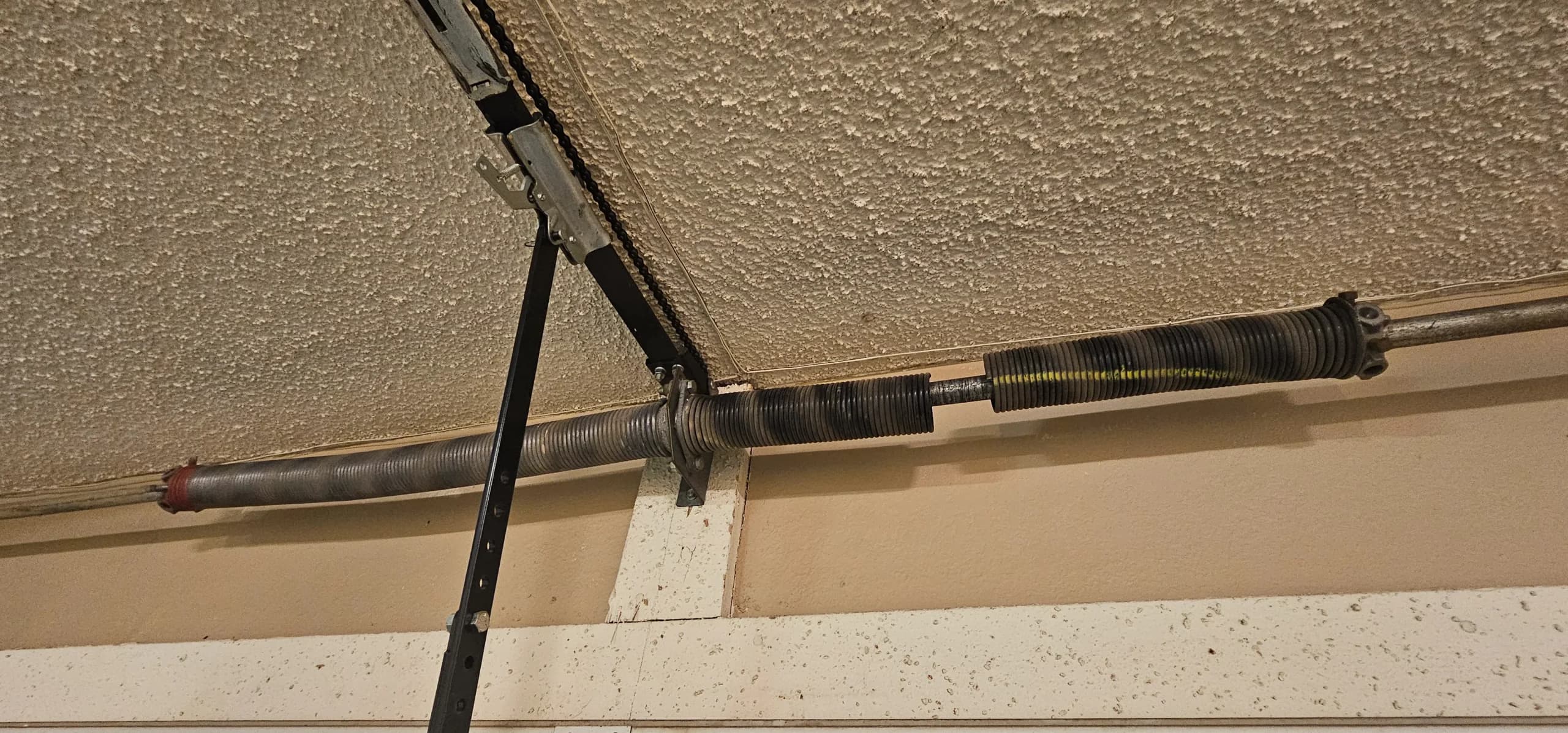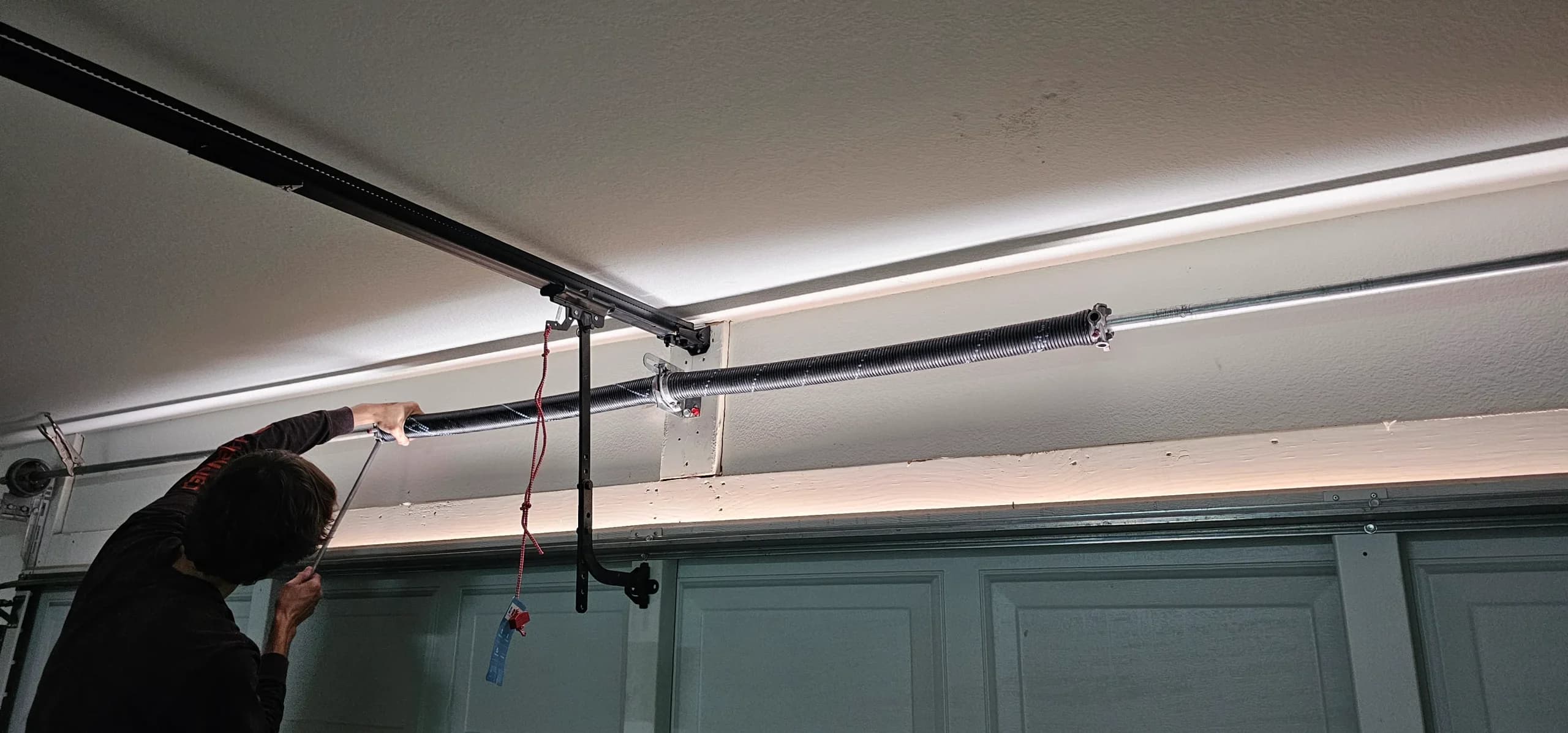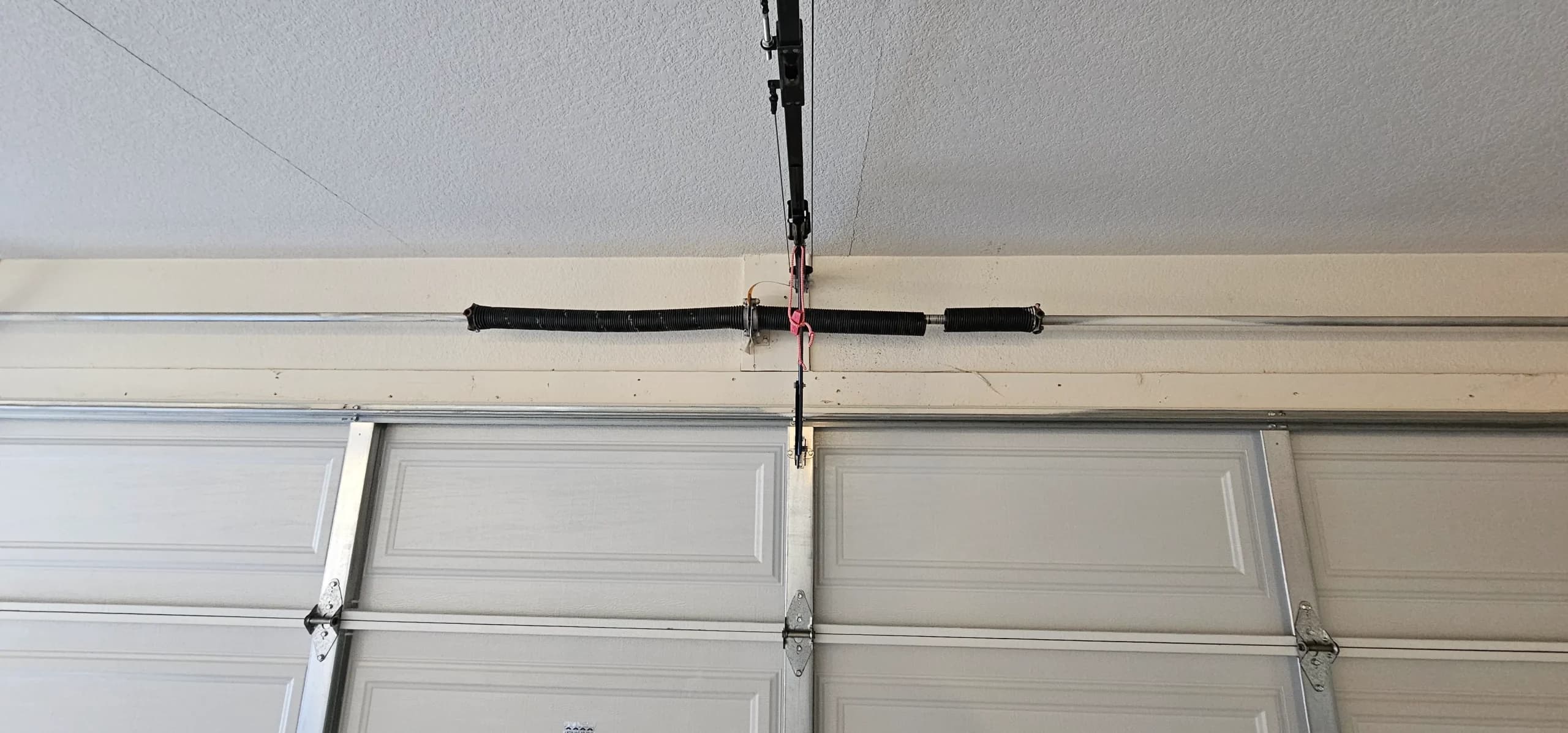
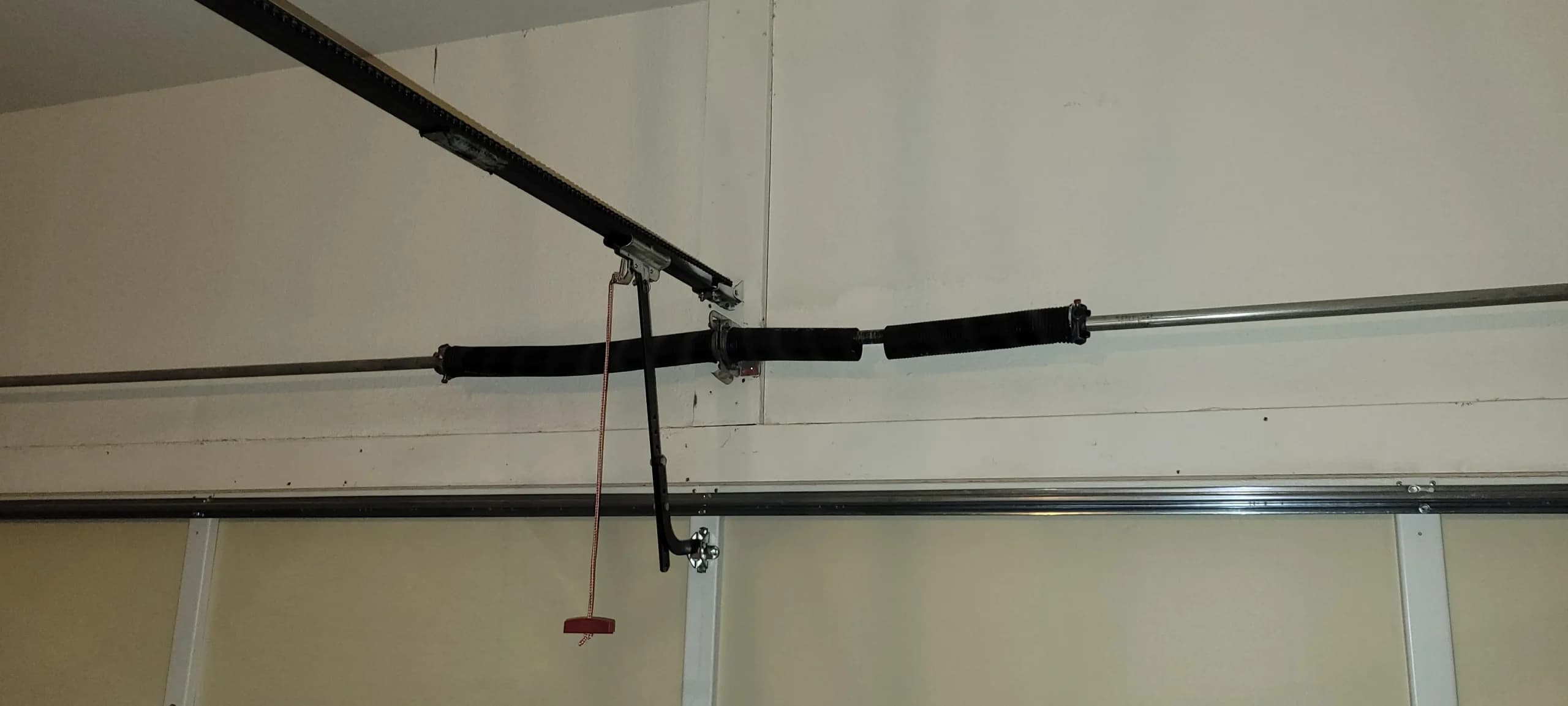
A broken garage door spring usually shows up as a visible gap in the metal coil of a torsion spring, or as an extension spring that has snapped into two separate pieces. If the garage door suddenly feels too heavy, will not open smoothly, or makes a loud bang right before it stops working, a broken garage door spring is almost always the reason.
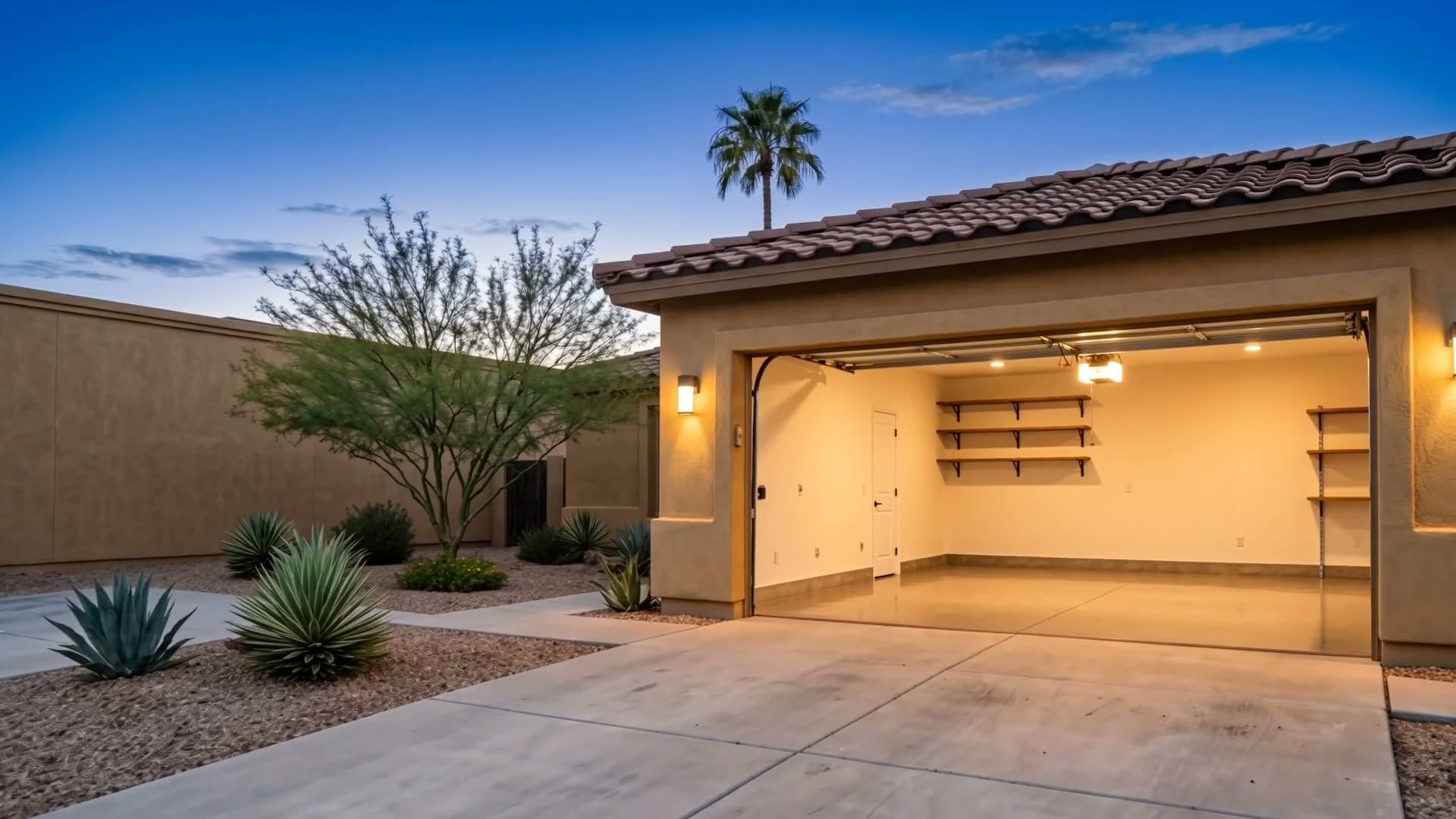
For homeowners in Chandler, AZ, the intense summer heat can speed up wear on garage door hardware, which makes it even more important to recognize these signs early. This guide breaks down exactly what a broken spring looks like, what other warning signs to check for, and what to do next before deciding on a broken garage door spring repair.
Quick Signs Your Garage Door Spring Is Broken
Before going through each sign in detail, here is a fast summary a homeowner can inspect right away. These are the most common indicators that a garage door spring has already failed.
- A visible gap or split in the torsion spring coil above the door
- An extension spring hanging in two separate pieces along the upper track
- A door that feels unusually heavy or will not budge
- A loud bang or snapping sound coming from the garage
Warning Signs of a Broken Garage Door Spring in Chandler Homes
Most garage door springs do not fail without warning. There are usually a few clear physical signs a homeowner can inspect for before assuming the worst. These signs are the fastest way to confirm whether a spring has actually broken.
Visible Gap or Separation in the Coil
A torsion spring sits above the garage door and is wound tightly around a metal shaft. When it breaks, the coil separates and leaves a noticeable gap.
- A one to two-inch gap in the coiled metal
- The spring appears twisted or unraveled on one side
- The shaft may look slightly bent near the break
Garage Door Feels Too Heavy to Lift
Springs carry most of the weight of the door. Once a spring breaks, that weight shifts entirely to the opener motor or to the person lifting it by hand.
- The door barely moves when the opener is engaged
- Manual lifting feels close to lifting the full weight of the door
- The opener motor may strain, stall, or make a grinding noise
Sudden Loud Bang From the Garage
Many homeowners in Chandler learn about a broken spring the moment it happens, since the break is often loud enough to hear from inside the house.
- A single sharp bang, similar to a small firework
- A brief rattle from the door track right after the sound
- No visible damage right away, even though the spring has already failed
For a deeper look at what typically causes this kind of failure, read What Are the Common Causes of a Broken Garage Spring? for the full breakdown.
Subtle Signs That Show Up Before the Spring Fully Snaps
A spring rarely fails without giving off small warning signs first. Catching these early can help a homeowner schedule a garage door repair before the spring breaks completely and leaves the door stuck.
Door Looks Crooked or Uneven
- One side of the door sits higher than the other when closing
- The door appears tilted when viewed from outside the garage
- Panels seem slightly misaligned along the track
Slow, Jerky, or Noisy Movement
- The door pauses partway through opening or closing
- A grinding or squeaking noise comes from the spring area
- The opener seems to work harder than it used to
Loose or Sagging Cables
- Cables near the spring appear slack instead of taut
- One cable hangs lower than the other
- The bottom bracket looks slightly shifted out of place
Torsion Spring Damage vs Extension Spring Damage
Not every garage door uses the same type of spring, and each type shows damage a little differently. Knowing which one a home has makes it easier to inspect for failure. Most newer garage doors use torsion springs, while some older setups still rely on a pair of extension springs mounted along the tracks.
What a Broken Torsion Spring Looks Like
- Mounted horizontally above the door on a metal shaft
- Breaks leave a visible gap in the coil
- The door usually will not open at all once it fails
What a Broken Extension Spring Looks Like
- Mounted along the upper tracks on either side of the door
- Breaks split the spring into two separate sections
- The door may still open partway before stopping
Is It Safe to Open the Garage Door With a Broken Spring
This is one of the most common questions homeowners have once they confirm a spring has failed. The honest answer is that it depends on the situation, and safety should always come first. A door that will not move at all is often safer left alone until an emergency garage door repair service can inspect it, while a door that opens partway may allow careful, temporary manual movement.
Manual Opening Risks
- The door is far heavier than it appears without spring support
- Sudden drops can cause serious injury
- The cables and track carry extra strain and may fail next
When to Call a Professional Instead
- If the door will not budge even slightly by hand
- If a vehicle is trapped inside and needs to get out
- If there is any uncertainty about how to safely release the door manually
Anyone trying to figure out how to open a garage door with a broken spring should treat it as a temporary, careful action only, not a long-term solution. According to the DASMA Safety Tips (opens in a new tab) guide, garage door springs are under high tension and should only be adjusted or released by a trained professional, since the stored energy can cause sudden, forceful movement.
For homeowners who are already past this stage and need immediate next steps, What to Do When Your Garage Door Spring Snaps covers exactly what to check and how to stay safe until a repair is scheduled.
How to Tell If It’s Time for a Repair or a Full Replacement
Not every garage door spring issue means the whole system needs replacing right away. Some issues are minor and can be addressed with a smaller repair, while others point to a spring that is close to failing completely. A professional inspection is usually the fastest way to know which category a specific situation falls into.
Quick Repairs vs Full Spring Replacement
- A single worn spring may need replacement while the other side stays intact
- Rust or minor corrosion sometimes calls for a full swap of both springs
- A professional inspection can confirm which repair fits the situation
How Long You Can Safely Wait
- Some early warning signs allow for a short waiting period before repair
- Continued use with a stressed spring speeds up eventual failure
- Waiting too long increases strain on the opener and track
For a more detailed answer on timing, How Long Can You Wait to Replace a Garage Door Spring? walks through how to judge the right window for a repair.
The guide from The Spruce on replacing garage door springs (opens in a new tab) explains that torsion springs typically wear out gradually over years of daily use, which is why catching early signs matters.
Simple Ways to Prevent Early Spring Damage
A little routine care goes a long way toward extending the life of a garage door spring, especially in a hot climate like Chandler, where extreme temperatures can affect metal hardware faster than usual. Regular garage door maintenance is one of the simplest ways to catch small issues before they turn into a full spring failure.
Preventive Inspection Habits
- Inspect the coil and cables for visible wear every few months
- Listen for new grinding, squeaking, or straining sounds
- Watch for changes in how balanced the door looks while moving
Lubricating and Monitoring Spring Tension
- Apply a small amount of garage door lubricant to moving parts a few times a year
- Avoid using household oils, which can attract dust and dirt
- Have a professional check spring tension during routine maintenance
When to Schedule a Professional Inspection
Routine inspections catch small issues before they turn into a full spring failure, which is especially useful for homeowners who rely on their garage door every day.
- Once a year for general wear and tension checks
- Right after any unusual noise, jerky movement, or visible wear
- Before extreme summer heat sets in, since Chandler temperatures can accelerate metal fatigue
Keep Your Garage Door Safe and Working in Chandler
A broken garage door spring is easy to identify once a homeowner knows what to inspect for, whether that is a visible gap in the coil, a door that feels too heavy, or a loud bang followed by a door that will not budge. Catching these signs early and understanding the difference between a minor issue and a full spring failure makes it much easier to plan the right repair instead of dealing with an emergency.
If a Chandler garage door is showing any of these signs, it is worth having it inspected before the spring fails completely. GT Garage Door Repair offers professional spring inspections and repairs for homeowners across the area. Contact us or give us a call to schedule a fast, reliable inspection today.