
Garage Door Roller Repair and Quieter Roller Upgrades
If your garage door grinds, rumbles or shudders as it moves, worn rollers are a likely cause. GT Garage Door Repair replaces worn, cracked or noisy rollers, usually with nylon rollers on sealed ball bearings that run much quieter. We check the track and balance while we are there, offer same-day service as standard, and give you a free estimate before any work starts.
Last updated October 2026.
Licensed, bonded and insured · ROC 358301 · Same-day service
Signs Your Garage Door Rollers Are Worn
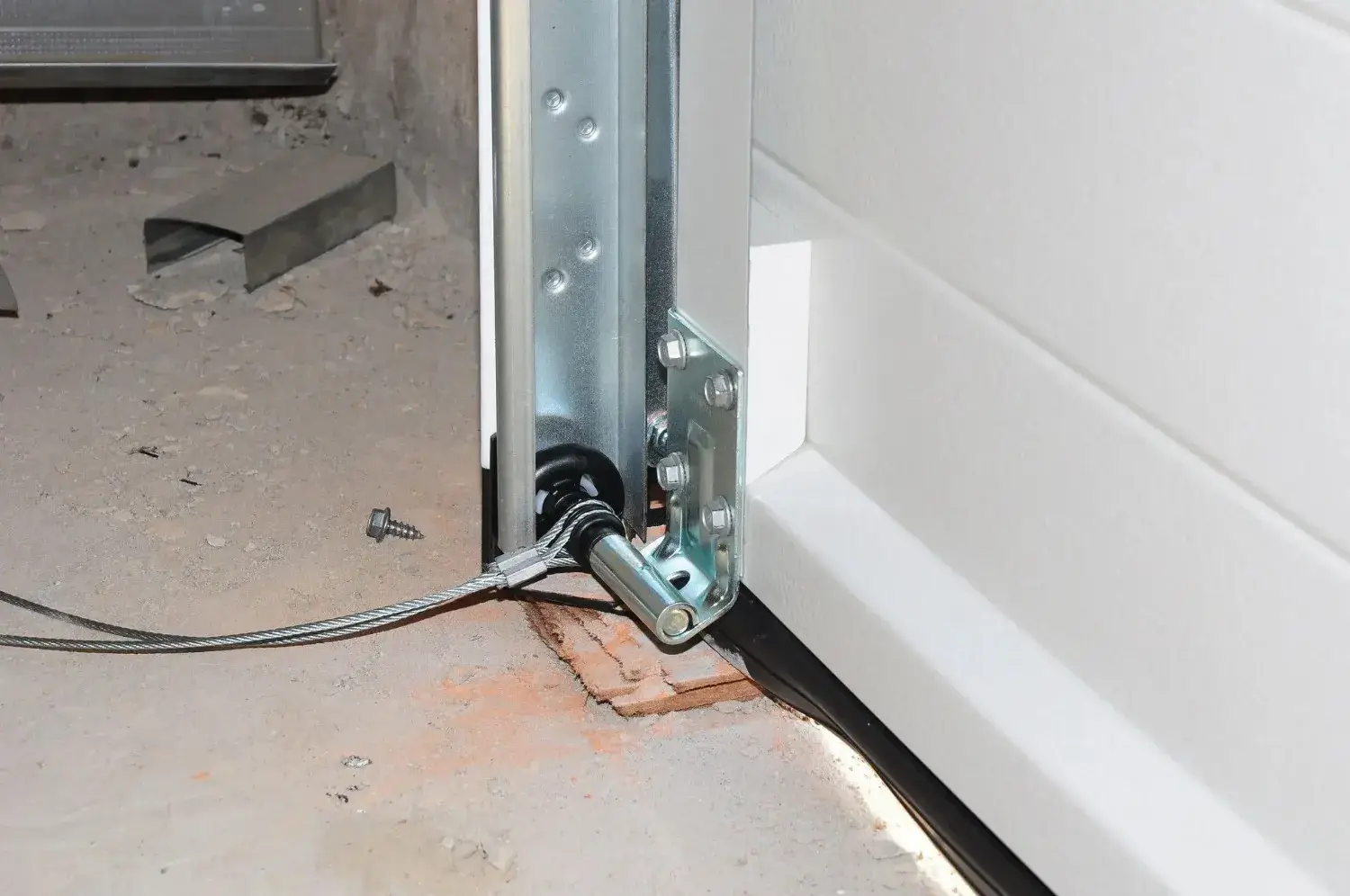
Rollers are the small wheels on the edges of each door section that ride inside the tracks. Every section has them, so a typical door has 10 or more, and they all wear at once.
Signs it is time to replace them: - Grinding, scraping or rumbling as the door moves. - The door shudders or jerks instead of gliding. - Rollers that wobble on their stems, or wheels worn flat on one side. - Cracked, chipped or missing nylon wheels. - Rust on steel rollers, or bearings you can see falling apart. - A roller that has popped out of the track.
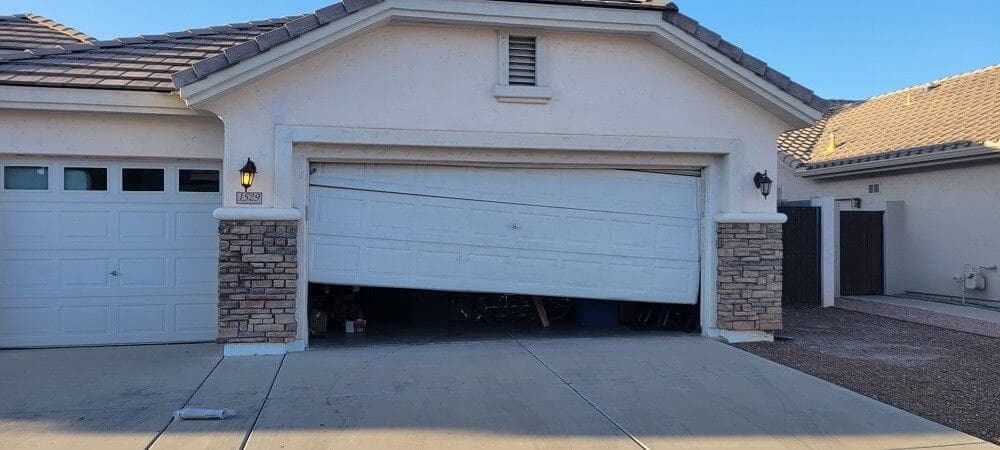
A roller that leaves the track can take the door with it. If a section has already come out, that is an off-track garage door repair, and you should stop using the door.
Roller Types Compared
Rollers look alike from the driveway, but they make a big difference in noise and lifespan. Here is how the common types compare in general terms.
| Roller type | Noise | Typical wear | Good fit for |
|---|---|---|---|
| Steel roller, no bearings | Loudest | Wears flat and rusts; often original on older doors | Budget repairs only |
| Steel roller with ball bearings | Loud to moderate | Durable, but metal on metal track stays noisy | Heavier doors where noise does not matter |
| Plastic or nylon roller, no bearings | Quiet when new | Wheels can crack and wear quickly | Light, low-use doors |
| Nylon roller with sealed ball bearings | Quietest | Bearings are sealed against dust and grit, so they run smoothly longer | Most homes, especially garages next to living space |
On most East Valley homes we recommend nylon rollers with sealed ball bearings. They cost a bit more than basic rollers and make the biggest difference in noise, especially if a bedroom or office sits above or beside the garage.
Veteran-Owned, Family-Run, and Based in Chandler
GT Garage Door Repair is a veteran-owned, family-operated garage door company based in Chandler.
- Veteran-owned and family-operated in Chandler, AZ
- Licensed, bonded and insured: Arizona ROC 358301 (verify our license (opens in a new tab))
- Free, upfront estimate before any work begins
- Same-day service is our standard, not an upcharge
Why Rollers Wear Faster in the East Valley
Arizona is hard on rollers. Dust storms during monsoon season push fine grit into the tracks and into any roller without sealed bearings, and that grit grinds the bearings down. Summer heat over 110 degrees dries out lubricant quickly, especially on west-facing doors that take the afternoon sun.
Older steel rollers without sealed bearings suffer the most. They get louder each year, wear flat spots, and eventually bind in the track, which makes the opener work harder. In older neighborhoods in Tempe, central Mesa and Ahwatukee, we still find original steel rollers running.
Worn rollers also add strain to the rest of the system. A door that drags in the track pulls unevenly on the lift cables; see garage door cable repair. It also loads the opener; see garage door opener repair.
How GT Replaces Garage Door Rollers
We replace all the rollers on the door at once, because they have all done the same work. Mixing new and worn rollers leaves the door running unevenly.
- We check the whole door first: track alignment, hinges, cables, springs and balance.
- We replace the rollers section by section, along with any cracked hinges we find.
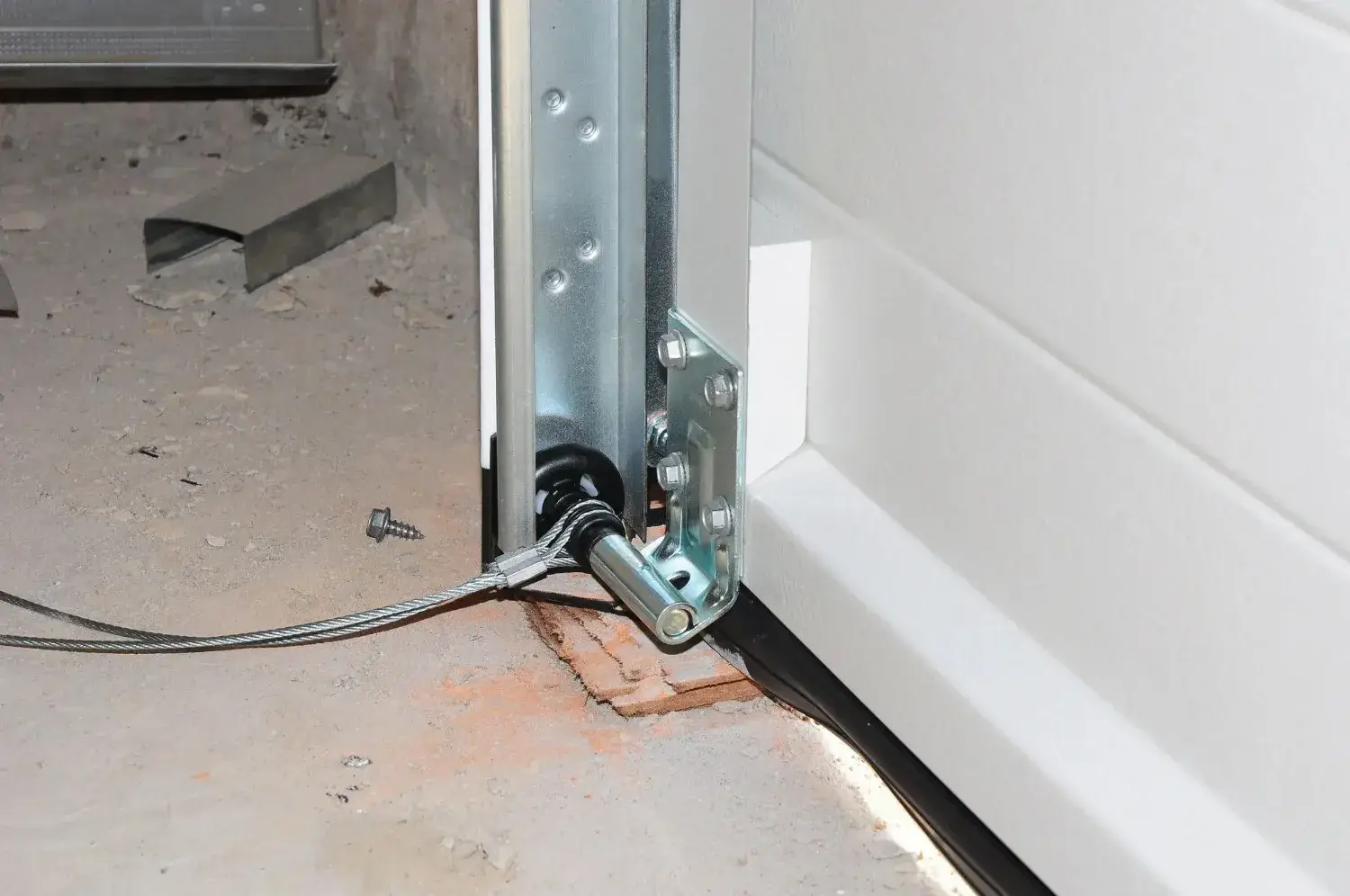
- The bottom rollers sit in the bottom brackets, which are connected to the lift cables and under spring tension. We secure the door and handle those safely; they are not a homeowner job. The DASMA residential garage door checklist (TDS-167) (opens in a new tab) warns homeowners not to remove or adjust brackets, cables or springs.
- We align the tracks so the new rollers run straight, then lubricate the moving hardware.
- We check balance and test the opener's travel and auto-reverse.
As a veteran-owned, family-operated company, we show you the old rollers and explain what we found. If the springs are tired too, we will tell you, and you can read about torsion spring repair before deciding.
When Noise Is Not the Rollers
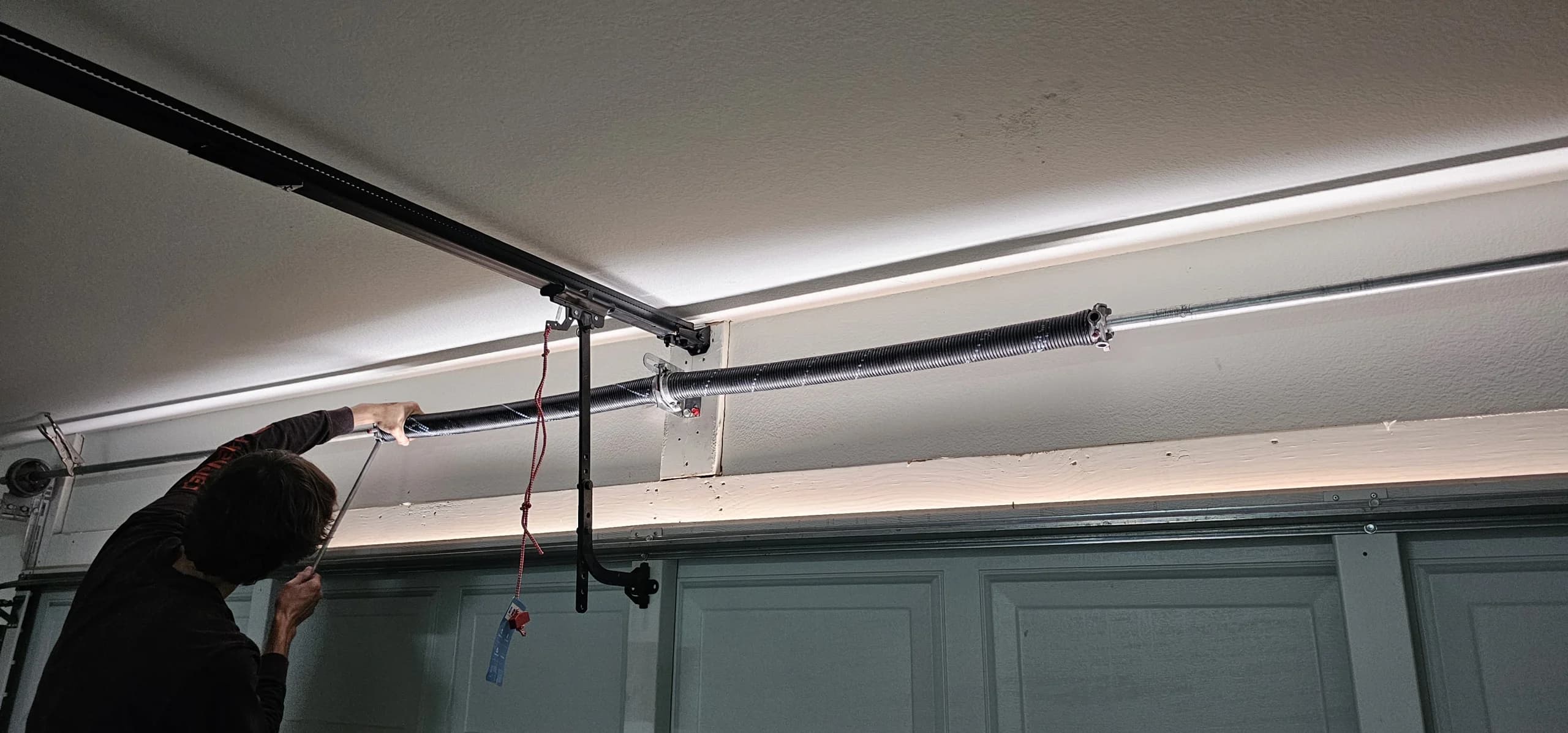
Not every noisy door needs new rollers. A loud bang usually means a broken spring. Squealing can come from dry hinges or spring coils. A rattling chain or grinding gears point to the opener, and some older chain-drive openers are simply loud.
We figure out which part is making the noise before replacing anything. Our article on why your garage door is making noise covers the common sounds, and a yearly garage door maintenance visit includes a roller check and lubrication.
Questions
Garage Door Roller Questions
Will new rollers make my garage door quieter?
Can I replace garage door rollers myself?
How often do garage door rollers need replacing?
Should I lubricate my garage door rollers?
Can worn rollers cause my door to come off track?
Garage Door Roller Repair Across the East Valley
Desert dust and monsoon grit wear rollers faster, and we swap worn rollers for quieter sealed-bearing ones on homes across these cities.
- Chandler, AZ
- Gilbert, AZ
- Mesa, AZ
- Tempe, AZ
- Queen Creek, AZ
- Ahwatukee, AZ
- Sun Lakes, AZ
- San Tan Valley, AZ
- Apache Junction, AZ
- Scottsdale, AZ
Not on the list? Call (602) 680-9700 and we will tell you right away whether we can get to you today.
Schedule service
Make Your Garage Door Quiet Again
We will find the source of the noise, replace worn rollers with quieter sealed-bearing rollers, and check the track and balance while we are there.
Phone
(602) 680-9700Business Hours
- Monday to Friday:
- 7:00 AM to 8:00 PM
- Saturday:
- 9:00 AM to 2:00 PM
- Sunday:
- Closed
- Same-day service