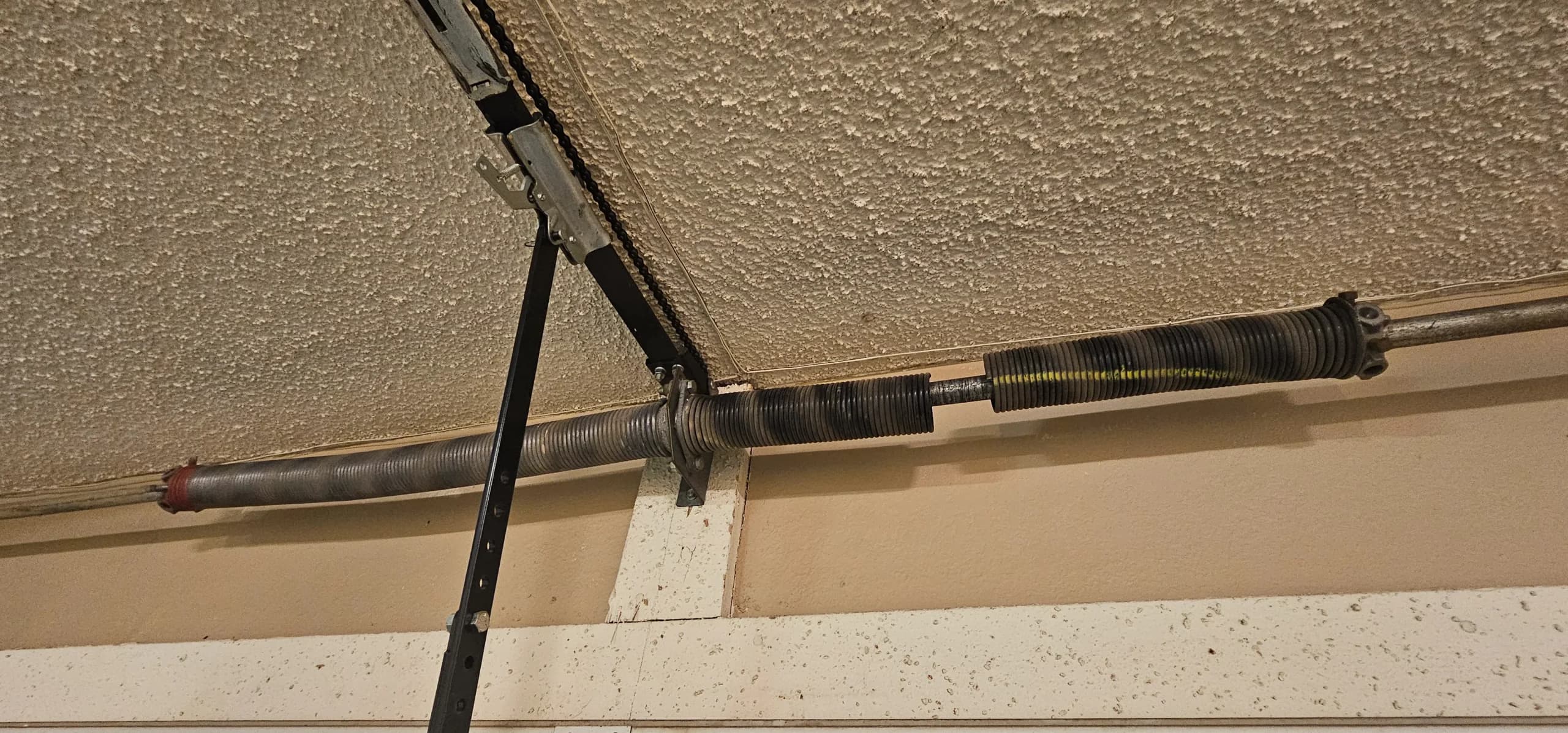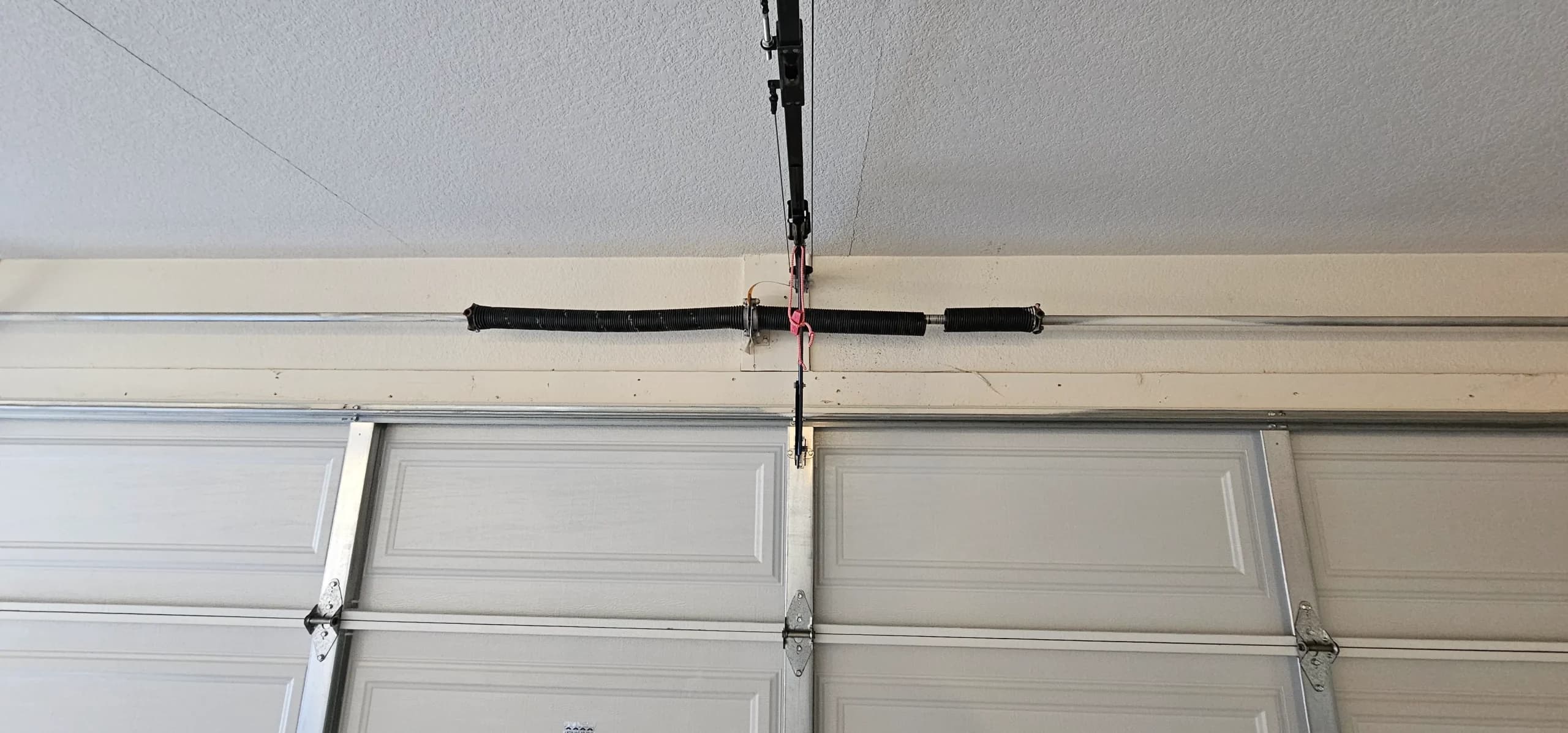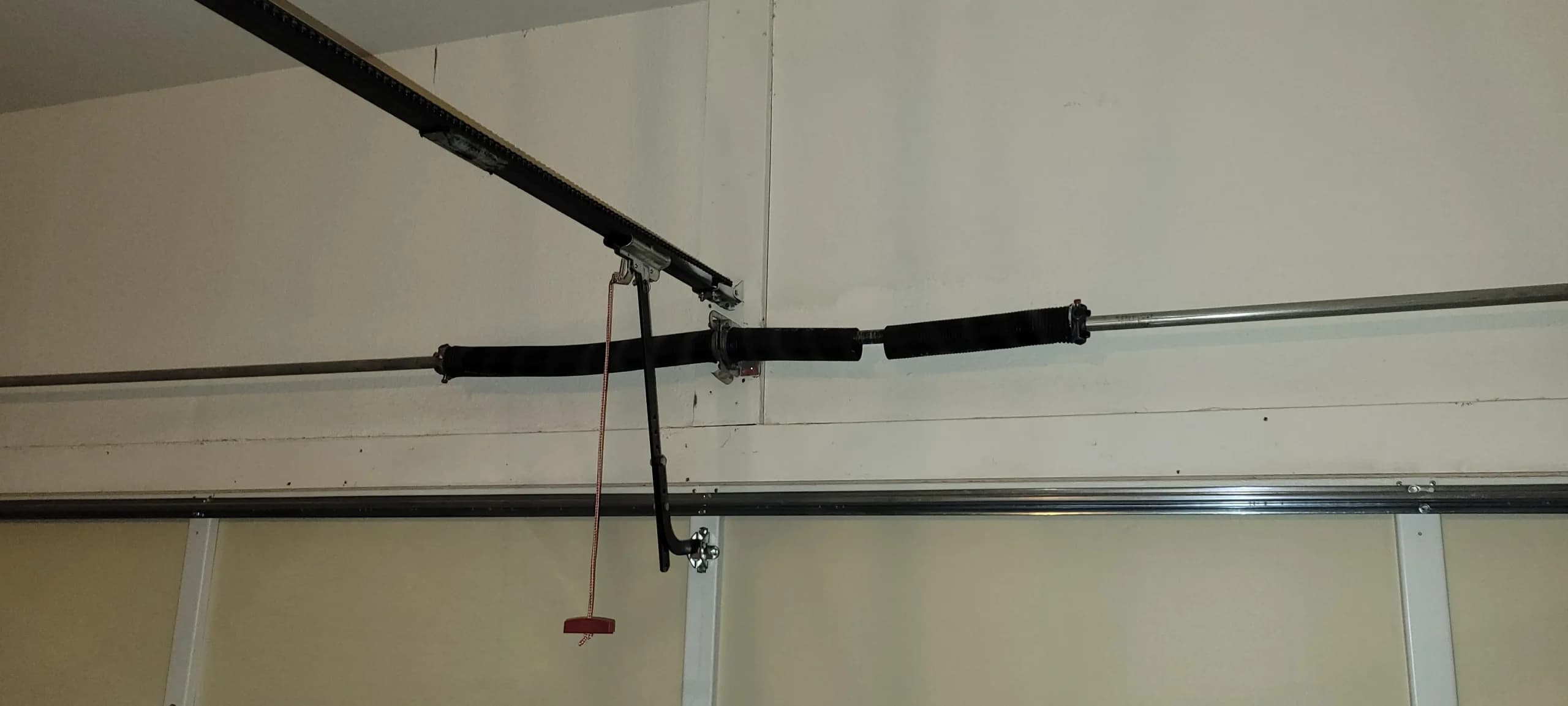
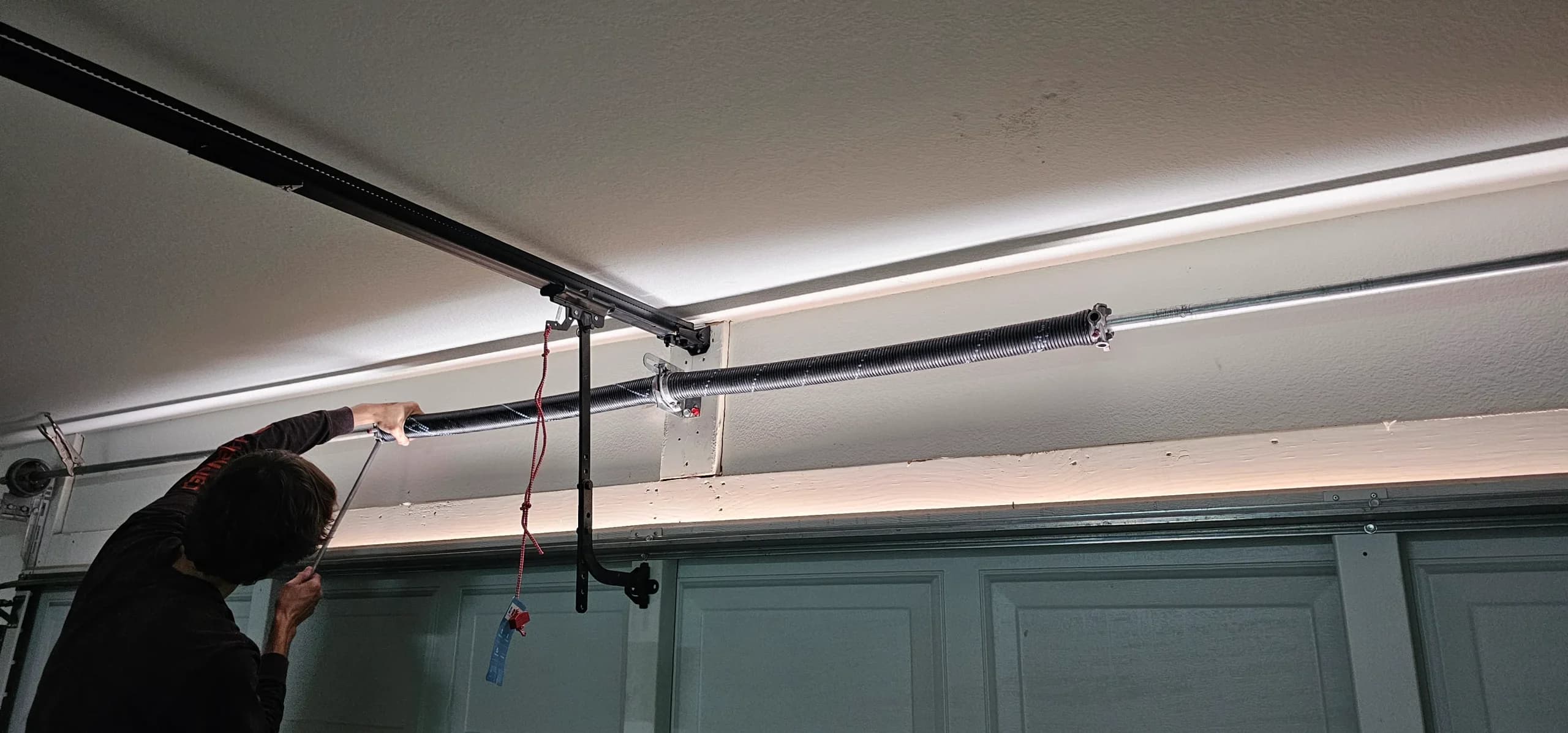
There is no single fixed number of days, since the safe waiting window depends on how far the spring has already worn down. A spring showing minor wear may hold on safely for a short while, but a spring that is already cracked, stretched, or making grinding noises can fail at almost any time without warning. Every situation is a little different, which is why inspecting for specific signs matters more than relying on a general timeline.
For Chandler, AZ homeowners, the safest approach is to treat any visible wear as a signal to schedule a broken garage door spring repair soon, rather than waiting for a firm deadline that does not really exist. The desert climate here places extra stress on metal hardware throughout the year, which means a spring that might last longer in a milder climate could wear out sooner locally.
How Urgent Is Your Garage Door Spring Replacement
Before going through the details, here is a fast summary of how urgency typically breaks down based on spring condition. This gives a general sense of where a specific spring might fall before reading through the full explanation below.
- Minor wear with no unusual sound may allow a short waiting period
- Grinding noise, jerky movement, or visible cracks call for prompt attention
- A fully snapped spring should never be used or forced open
- Extreme Chandler heat can shorten the safe window faster than expected
Signs Your Spring Is Close to Failing
Before deciding how long a spring can wait, it helps to know what advanced wear actually looks like compared to a spring that is still holding up fine. Recognizing these differences early makes the decision much easier.
Visible Wear That Signals a Short Window
- A small gap or stretch is beginning to form in the coil
- Visible rust spreading across the spring’s surface
- A slightly uneven gap on one side of the door
Sounds and Movement Changes to Inspect For
- Grinding or squeaking that was not there before
- The door hesitates partway through opening or closing
- The opener is straining more than it used to
For a full visual guide on what a fully broken spring looks like once it fails, read What Does a Broken Garage Door Spring Look Like?
Why Waiting Too Long Increases the Risk
A worn spring does not fail in isolation. The longer it stays under strain, the more it affects the rest of the garage door system, which can turn a small issue into a larger repair. This is one reason technicians recommend addressing wear early rather than monitoring it indefinitely.
Added Strain on the Opener and Cables
- The opener motor works harder to compensate for a weakening spring
- Cables absorb extra tension that they were not designed to carry alone
- Continued strain can shorten the lifespan of nearby hardware
Risk of Sudden Failure Without Warning
- Some springs fail suddenly, even after showing only mild symptoms
- A sudden break while the door is in motion can be dangerous
- Waiting without any inspection removes the chance to catch it early
How Long a Worn Spring Can Realistically Last
There is a real difference between a spring in the early stages of wear and one that is close to a full failure, and that difference changes how long it is reasonable to wait before scheduling a repair.
Minor Wear vs Advanced Wear
- Minor wear with no noise may hold on for a short period with caution
- Advanced wear, including visible cracks, can fail within days or even hours
- Any spring showing multiple signs together should be treated as a high priority
Factors That Shorten the Safe Waiting Window
- Frequent daily use adds strain faster than occasional use
- Extreme heat, common in Chandler, can accelerate the timeline
- A spring already affected by rust, age, or other wear tends to fail sooner than expected
To understand what typically causes this kind of wear in the first place, read What Are the Common Causes of a Broken Garage Spring?
When Waiting Is No Longer an Option
At a certain point, the safest choice is to stop using the door altogether rather than continue testing how much longer the spring can hold on. Recognizing this moment quickly can prevent an inconvenient situation from turning into one that needs an emergency garage door repair service.
Signs You Should Stop Using the Door Immediately
- A loud bang followed by the door refusing to move
- A visible full gap in the coil, rather than minor stretching
- The door drops suddenly or moves unevenly during use
Emergency Situations That Require Fast Action
- A vehicle is trapped inside with no safe way to open the door
- A spring that appears to be under sudden, uneven tension
- Any situation where forcing the door feels unsafe
What Happens If You Keep Using a Weak Spring
Continuing to use a garage door with a weakening spring does not just risk a sudden failure. It can also lead to added damage across the rest of the system over time.
Damage to Other Garage Door Parts
- Cables and pulleys wear out faster under added strain
- The opener motor may need repair sooner than expected
- Track alignment can shift if the door becomes unbalanced
Increased Repair Needs Over Time
- A single spring repair often involves less work than replacing multiple damaged parts
- Waiting too long can turn a simple repair into a larger job
- Costs can vary depending on how much additional damage has occurred by the time it is inspected
According to Angi’s guide on inspecting and maintaining a garage door (opens in a new tab), routine inspection is one of the most effective ways to catch a weakening spring before it leads to bigger repair needs elsewhere in the system.
Repair Now or Monitor a Little Longer
Deciding whether to schedule a garage door repair right away or monitor the spring a little longer comes down to a few honest questions a homeowner can ask before making the call.
Questions to Ask Before Deciding
- Has the door made any new noise or movement change recently
- Is there any visible gap, crack, or rust on the spring
- Would a sudden failure put anyone or anything at risk
When to Call a Professional for a Second Opinion
- If there is any uncertainty about how serious the wear looks
- If the door is used multiple times a day
- If a vehicle regularly depends on that door opening safely
The DASMA safety tips for garage door openers (opens in a new tab) recommend having a professional inspect any door that shows signs of strain, since a weakened spring can affect how safely the opener functions.
If the spring has already failed completely, What to Do When Your Garage Door Spring Snaps covers the safest steps to take right away.
How a Professional Judges the Right Time to Replace
A trained technician looks at more than just how old a spring is when deciding whether it can wait a little longer or needs immediate attention. Several factors are weighed together before making that call, and experience often makes the difference between a rough guess and an accurate read on the situation. This kind of judgment is part of why professional garage door maintenance is worth scheduling, rather than relying on guesswork alone.
What a Technician Checks During an Inspection
- The overall tension and how evenly the spring is holding it
- Visible signs of rust, stretching, or coil separation
- How the door moves through a full open and close cycle
- Whether cables and hardware show matching signs of strain
Why a Professional Opinion Is Worth Getting Early
- A trained eye can catch subtle wear that is easy to miss
- An early inspection often avoids an unexpected emergency later
- Getting ahead of the problem tends to be simpler than reacting to a sudden failure
Know When It’s Time to Replace Your Garage Door Spring in Chandler
Waiting to replace a garage door spring is sometimes reasonable in the early stages of wear, but the safe window shrinks quickly once cracks, rust, or unusual noises appear. Chandler’s extreme summer heat only adds to that risk, which makes early inspection far more valuable than waiting for a clear deadline that may never come. Treating small warning signs seriously now can prevent a much more inconvenient repair later.
If a garage door spring at a Chandler home is showing any signs of wear, it is worth having it inspected sooner rather than later. The team at GT Garage Door Repair can take a closer look and give a clear read on how much time is really left. Contact us or give us a call to get a clear answer on how urgent the repair really is.