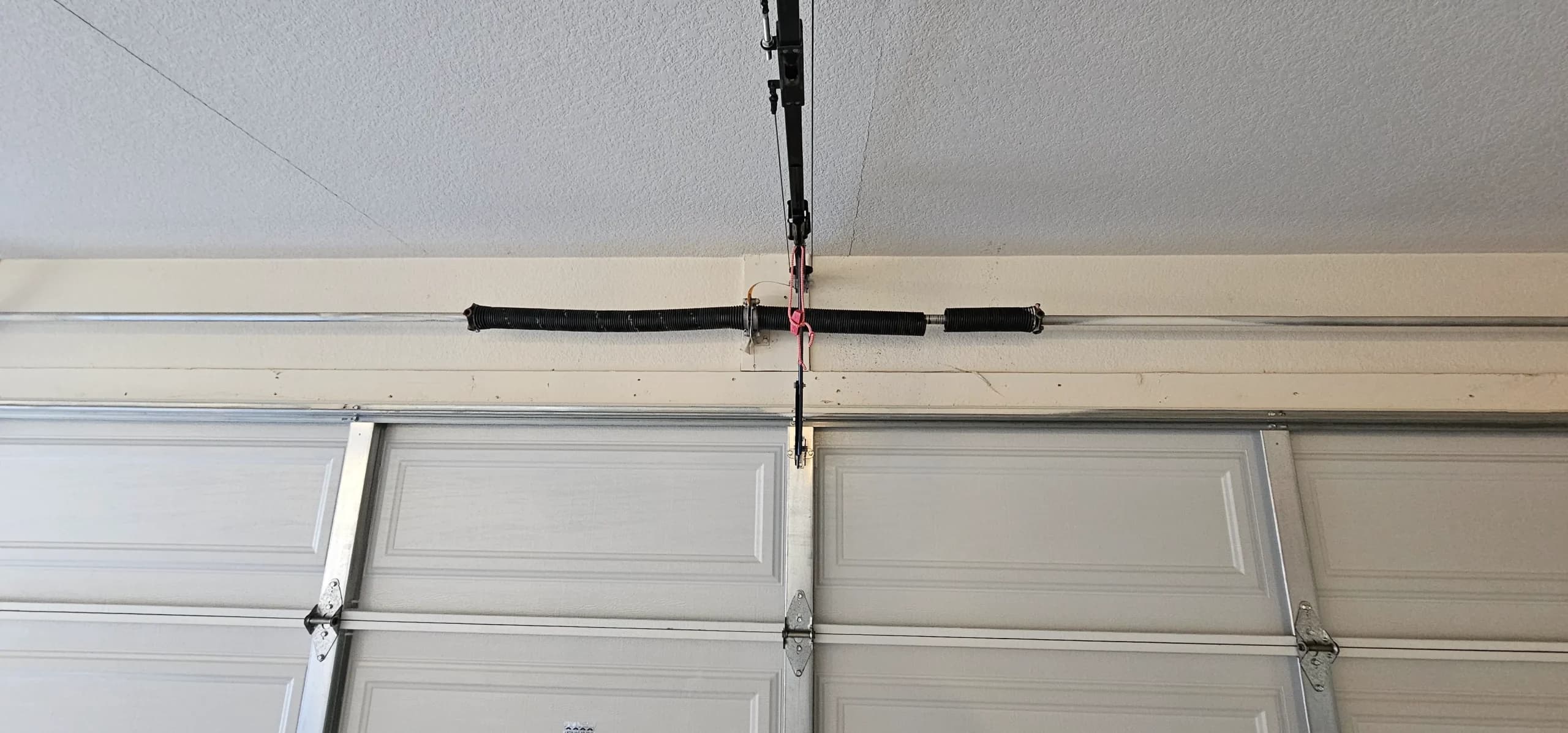
A garage door spring usually breaks from a mix of normal wear and tear, rust or corrosion, extreme temperature swings, and skipped maintenance. In Chandler, AZ, the intense summer heat adds extra stress to metal hardware, which often speeds up spring failure faster than in cooler climates. Because a spring rarely fails from just one cause alone, most breakdowns are the result of several small issues building up together over time.
Understanding what actually causes a spring to fail makes it much easier to catch the problem early and avoid an unexpected breakdown or a costly broken garage door spring repair down the line. Knowing these causes ahead of time also makes it easier to plan routine maintenance instead of reacting to a sudden failure.
Top Causes at a Glance
Before going through each cause in detail, here is a quick summary of what typically leads to a broken garage door spring. These are the issues a technician looks for first during an inspection.
- Repeated daily use wears the coil down over time
- Rust or corrosion is weakening the metal
- Extreme heat and temperature swings are common in Chandler
- Lack of routine lubricant and inspection
- Worn cables, hardware, or an aging spring nearing the end of its lifespan
Normal Wear and Tear From Daily Use
Every time a garage door opens and closes, the spring stretches or twists to support the door’s weight. Over thousands of cycles, that repeated motion gradually weakens the metal, which is why this kind of wear eventually leads to a garage door repair.
How Many Cycles a Spring Can Handle
- Most residential springs are rated for around 10,000 cycles
- A cycle counts as one full open and close
- Homes with frequent garage use reach that number faster
Signs Wear Is Building Up
- The door starts moving more slowly than usual
- Small squeaking or grinding noises appear during use
- The opener seems to work harder than before
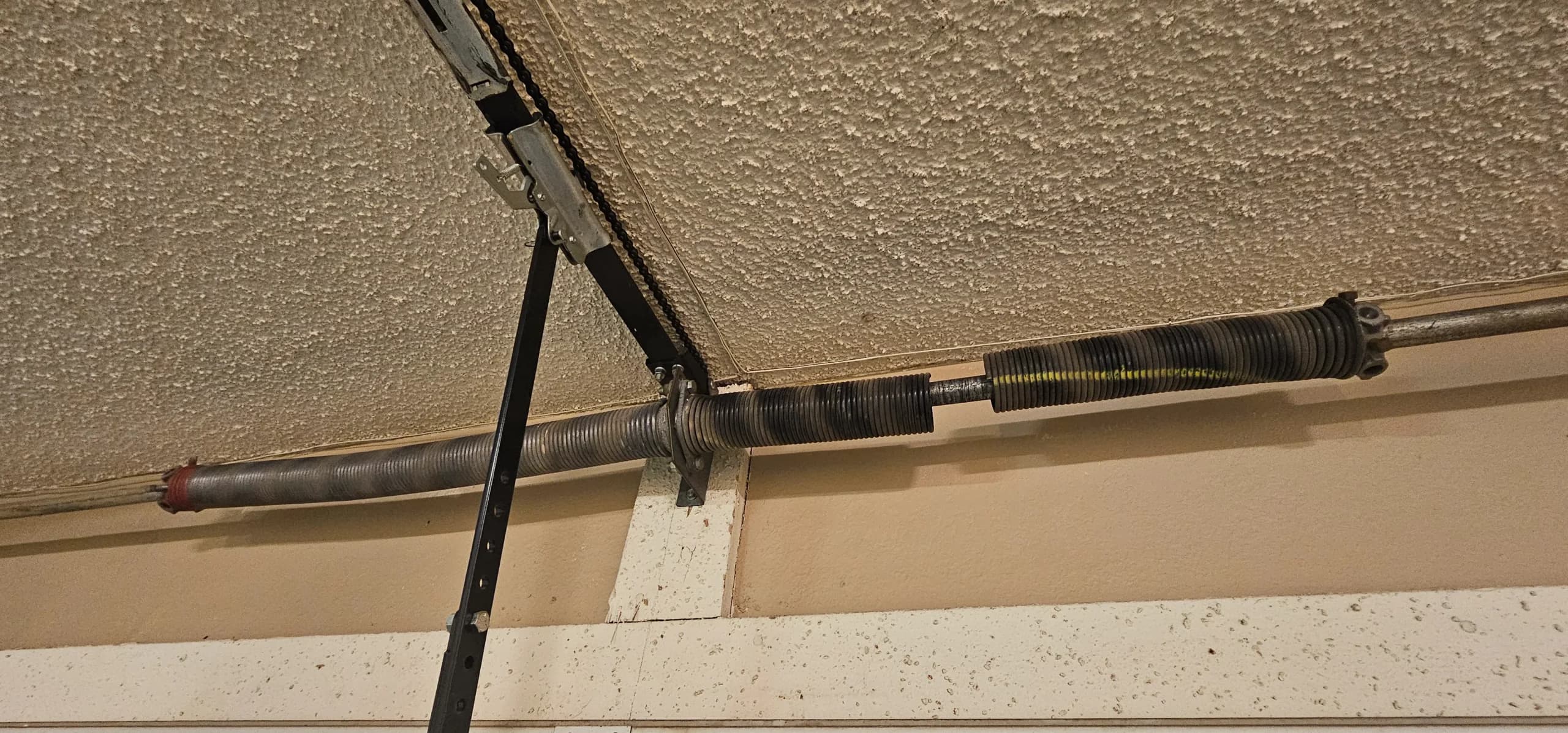
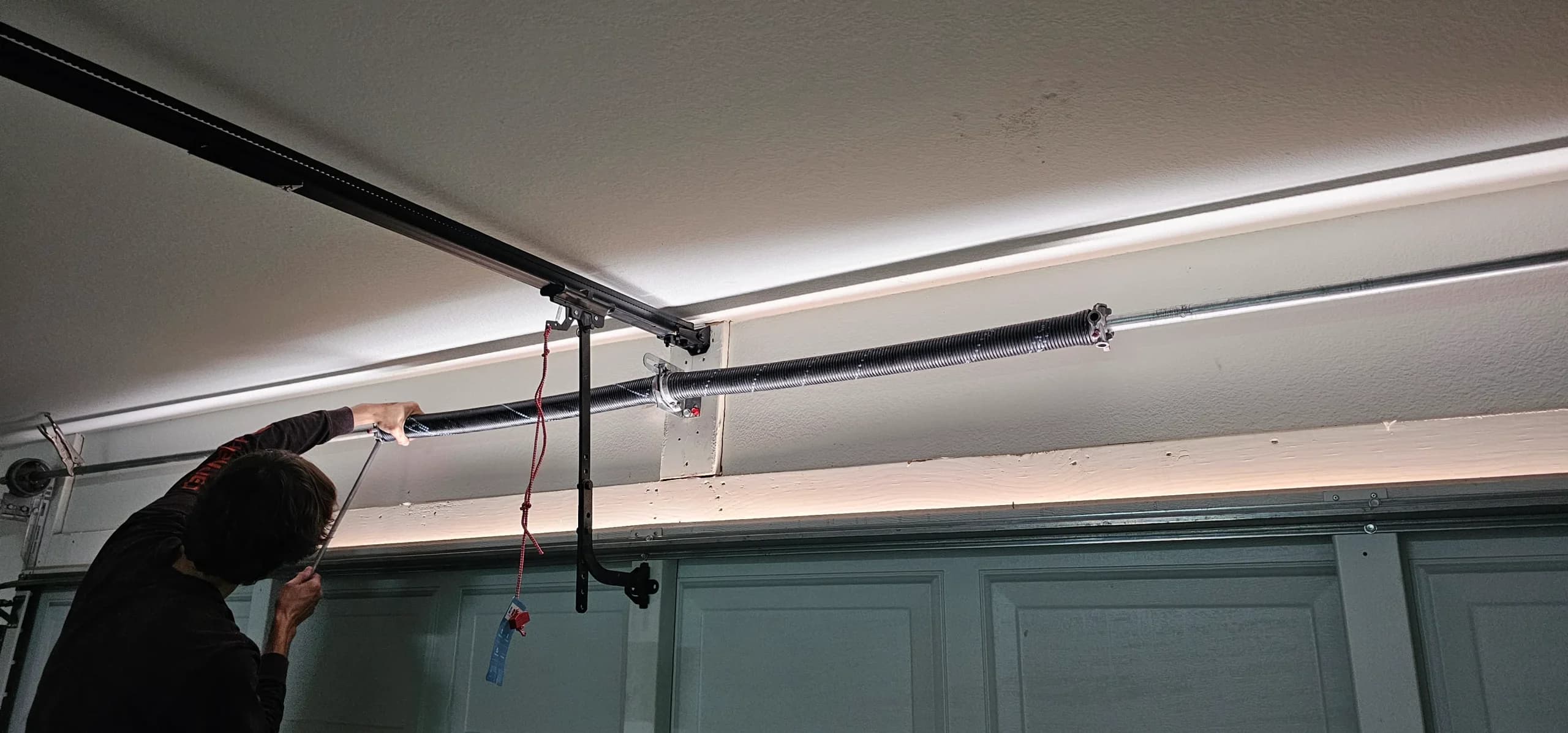
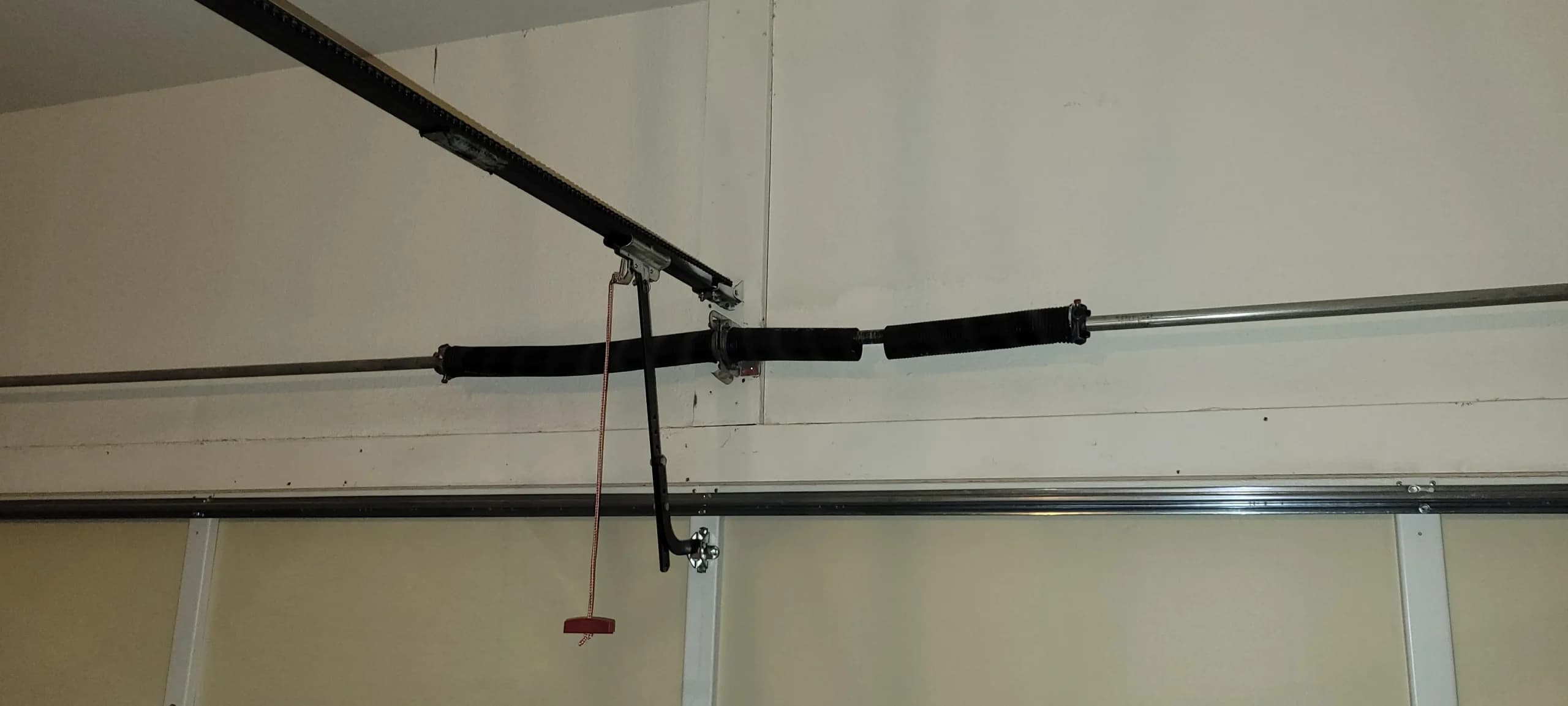
Homeowners who want to inspect for these signs directly can check out What Does a Broken Garage Door Spring Look Like? for a full visual breakdown of what a worn or failing spring actually looks like.
Rust and Corrosion Buildup
Moisture, dust, and debris can build up on a spring’s coil over time, especially in garages that are not sealed tightly. Once rust sets in, the metal weakens from the inside out, and the damage often keeps spreading even after the surface signs are inspected and cleaned.
Why Humidity and Debris Cause Rust
- Dust and dirt trap small amounts of moisture against the coil
- Garages without proper sealing let in more airborne debris
- Older springs without a protective coating rust faster
How Rust Weakens the Coil
- Rust eats into the metal surface over time
- Weakened coils are more likely to snap under normal tension
- Visible flaking or discoloration is an early warning sign
Extreme Heat and Temperature Swings in Chandler
Metal naturally expands and contracts with temperature changes, and Chandler’s desert climate pushes springs through some of the most extreme swings in the country. Over several summers, this constant expansion and contraction can wear down even a well-maintained spring.
How Desert Heat Affects Metal Springs
- High summer temperatures can cause metal fatigue over time
- Direct sun exposure on an uninsulated garage adds extra heat stress
- Repeated expansion and contraction weaken the coil gradually
Seasonal Stress on Garage Door Hardware
- Springs often show more wear after several hot Arizona summers
- Sudden cool nights after extreme heat add additional strain
- Regular inspection during seasonal changes helps catch early wear
Lack of Routine Maintenance
A spring that never gets inspected or lubricated is far more likely to fail without warning. Small maintenance steps make a noticeable difference in how long a spring lasts, and skipping them for several years often shortens a spring’s overall lifespan. Consistent garage door maintenance is one of the easiest ways to avoid this kind of unexpected failure.
Skipping Lubrication and Inspections
- Dry coils create more friction with every use
- Missed inspections mean small issues go unnoticed
- A quick annual check can catch wear before it becomes a full failure
Ignoring Early Warning Signs
- Unusual noises are often dismissed as normal aging
- A slightly uneven door is easy to overlook at first
- Waiting too long after noticing an issue increases the risk of a sudden break
Incorrect Spring Size or Poor Installation
Not every spring failure comes from age or weather. Sometimes the root cause traces back to the spring itself being the wrong size or fit for the door, which is more common than most homeowners realize.
Why Spring Size Matters
- Springs are rated for a specific door weight and size
- An undersized spring wears out much faster than expected
- Oversized springs can put uneven strain on the opener
Risks of DIY or Improper Installation
- Incorrect winding tension can cause premature failure
- Poorly secured brackets add extra stress to the coil
- Professional installation ensures the spring matches the door’s specifications
According to Angi’s guide on a spring breakage on a garage door (opens in a new tab), incorrect spring sizing is one of the more overlooked reasons a spring fails well before its expected lifespan.
If a spring is already showing signs of strain from any of these causes, it helps to know How Long Can You Wait to Replace a Garage Door Spring? before it fails completely.
Excess Weight or an Unbalanced Door
A garage door that is heavier than what the spring was designed for, or one that has become unbalanced over time, places ongoing extra strain on the spring. This kind of strain builds up gradually and is not always obvious until the door starts moving unevenly.
Added Strain From Heavy Doors
- Insulated or solid wood doors weigh more than standard panel doors
- Added weight from decorations or hardware upgrades adds strain
- A spring rated for a lighter door wears out faster under extra load
How an Unbalanced Door Speeds Up Failure
- A door that sits unevenly forces one spring to work harder
- Loose hardware or a shifted track can throw off the balance
- Regular balance checks help catch this before spring break
If a spring has already failed due to any of the causes above, What to Do When Your Garage Door Spring Snaps covers the safest next steps to take right away.
Worn Cables and Hardware Adding Extra Strain
A garage door spring rarely works alone. Cables, pulleys, and brackets all share the load, and when any of that hardware wears down, the spring often absorbs the extra strain until it eventually fails.
How Worn Cables Affect Spring Performance
- Frayed or stretched cables shift more weight onto the spring
- Loose pulleys can cause uneven tension across the coil
- Worn brackets allow the spring to shift slightly out of position
Why Hardware Issues Are Easy to Miss
- Cable wear often develops slowly over several years
- Homeowners tend to inspect the spring itself while overlooking connected hardware
- A full inspection should always include the cables, pulleys, and brackets together
Old Age and Natural Metal Fatigue
Even with good maintenance, every garage door spring has a natural limit. Metal fatigue builds up slowly over the years, and eventually a spring reaches a point where it simply cannot hold tension the way it used to. This is true even for high-quality springs that were installed correctly and maintained on schedule, and when it finally gives out, it often calls for an emergency garage door repair service rather than a routine visit.
How Age Affects Spring Strength
- Older springs lose flexibility after years of repeated stretching and twisting
- The coating that once protected against rust can wear thin with age
- A spring nearing the end of its lifespan often shows small stress cracks
- Metal fatigue can develop even without any single dramatic event
Combining Age With Other Causes
- An older spring under extra heat stress fails faster than a newer one
- Age, combined with rust, speeds up the timeline significantly
- Homes with older garage door systems benefit from more frequent inspections
- A spring that has already gone through thousands of cycles is more vulnerable to any added strain
As the ULSE insight on automatic garage door standards (opens in a new tab) explains, consistent safety standards and routine upkeep play a major role in preventing hardware failures like a snapped spring, especially as a system ages.
Protect Your Garage Door Spring From Early Failure in Chandler
Most broken garage door springs do not fail out of nowhere. Wear and tear, rust, extreme heat, skipped maintenance, worn hardware, and incorrect sizing all add up over time until the spring finally gives out. Recognizing these causes early makes it much easier to plan a repair before an unexpected breakdown leaves the door stuck, and it can also help extend the life of the rest of the garage door system.
If a Chandler garage door has been showing any of these warning signs, it is worth having the spring inspected before it fails completely. GT Garage Door Repair has hands-on experience diagnosing exactly this kind of wear in homes throughout the area. Contact us or give us a call to schedule an inspection today.