
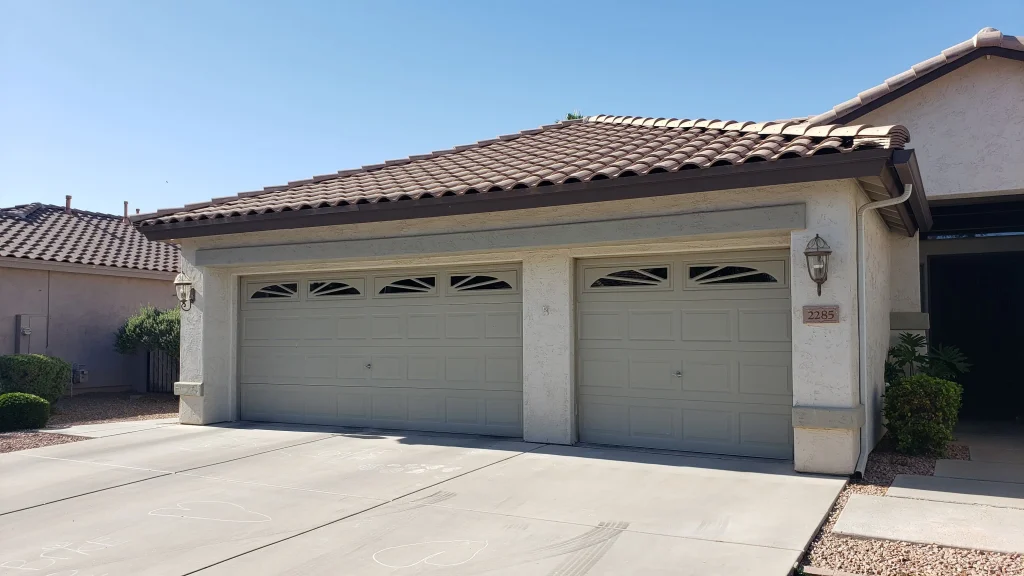
Residential garage doors operate through a combination of mechanical balance, structural alignment, and controlled movement, which allows problems to develop gradually without immediate failure. Many issues remain unnoticed until performance changes become disruptive, unsafe, or costly to correct.
Understanding the most common residential garage door repair issues requires examining how wear patterns, installation variables, and daily use affect system reliability over time. Recognizing early warning signs helps clarify when professional evaluation becomes necessary to protect both safety and long-term performance.
Door Movement Irregularities That Signal Mechanical Problems
Irregular movement represents one of the earliest and most common signs that a garage door system requires attention. These changes often develop slowly, making them easy to overlook until consistency declines significantly.
Movement issues usually reflect imbalance, friction, or component wear rather than isolated malfunction.
Common Movement Problems Observed During Daily Operation
- Jerky or uneven movement while opening or closing
- Door hesitating at certain points along the track
- Partial opening followed by sudden stopping
- Inconsistent stopping positions between cycles
- Door reversing without visible obstruction
- Increased vibration felt through the structure
Movement irregularities often indicate changes in weight distribution or alignment. Springs, rollers, and cables must work together precisely, and even minor deviation affects motion consistency.
Addressing these symptoms early through residential garage door repair prevents secondary damage to connected components and reduces the risk of sudden operational failure.
Find out how to decide between residential garage door repair and full replacement based on cost, condition, and long-term value by reading: Residential Garage Door Repair vs Replacement: How to Know Which Option Is Right.
Noises That Indicate Wear or Misalignment
Unusual sounds often provide the clearest indication that a garage door system requires service. Noise changes typically reflect friction, loose hardware, or component deterioration.
Listening for consistent patterns helps differentiate normal operation from developing issues.
Learn what typically affects the cost of residential garage door repair, including parts, labor, and the type of issue involved, by reading: How Much Does Residential Garage Door Repair Cost? Factors That Affect Pricing.
Types of Noises That Warrant Evaluation
- Grinding sounds during movement
- Loud popping or snapping noises
- Squeaking that persists after lubrication
- Rattling from tracks or hardware
- Banging sounds at start or stop points
- Repetitive clicking during operation
Noises often originate from worn rollers, loose brackets, or stressed springs. Garage door roller repair frequently resolves squeaking or grinding, while popping sounds may indicate tension imbalance or spring deterioration.
Ignoring persistent noise can accelerate wear, increasing the likelihood of emergency garage door repair when components fail unexpectedly.
Explore when it’s best to call a professional for residential garage door repair instead of attempting a DIY fix that could create safety risks by reading: When to Call a Professional for Residential Garage Door Repair Instead of DIY.
Cable Wear and Tension Imbalance Issues
Garage door cables carry a significant load during operation, making their condition critical to system safety. Cable problems often remain hidden until visible fraying or imbalance occurs.
Cables rarely fail suddenly without warning signs.
Indicators of Garage Door Cable Problems
- Visible fraying or corrosion on cable strands
- Uneven door height when partially open
- Door tilting to one side during movement
- Slack appears in one cable but not the other
- Sudden jerking near the bottom of travel
- Difficulty maintaining balance after adjustments
Garage door cable repair addresses issues that directly affect door stability. Uneven tension places stress on springs and rollers, increasing the risk of abrupt failure.
Professional evaluation ensures cable replacement restores balanced load distribution rather than masking underlying alignment issues.
Spring Fatigue and Loss of Counterbalance
Springs provide the force necessary to lift and lower the door smoothly. Over time, springs lose tension due to repeated cycles, which gradually alter system behavior.
Spring fatigue often presents subtle changes before complete failure.
Warning Signs of Spring-Related Issues
- The door feels heavier during manual lifting
- The opener strains more during operation
- Slower opening speed than normal
- The door fails to stay open at mid-height
- Loud snapping noise during movement
- Visible gaps in torsion springs
Garage door spring repair becomes necessary when the counterbalance weakens, placing additional stress on openers and cables. Springs operate under high tension, making professional service essential for safety.
Delaying spring service increases the likelihood of sudden failure, often resulting in emergency garage door repair situations.
Roller Wear and Track Interaction Problems
Rollers guide the door along its tracks, supporting smooth movement and proper alignment. Worn rollers introduce friction and noise while accelerating track wear.
Roller issues often develop gradually.
Signs That Garage Door Roller Repair May Be Needed
- Rough or grinding movement along tracks
- Visible wear or cracking on roller wheels
- Excessive vibration during operation
- Door binding at specific track locations
- Uneven roller spacing after adjustments
- Increased noise near curves in the track
Roller wear affects alignment and increases resistance throughout the system. Metal rollers may corrode, while nylon rollers degrade over time.
Addressing roller issues promptly improves movement consistency and reduces stress on tracks and openers.
Track Misalignment and Structural Shifts
Tracks guide the door’s path and must remain properly aligned for safe operation. Structural movement or impact damage often gradually alters track positioning.
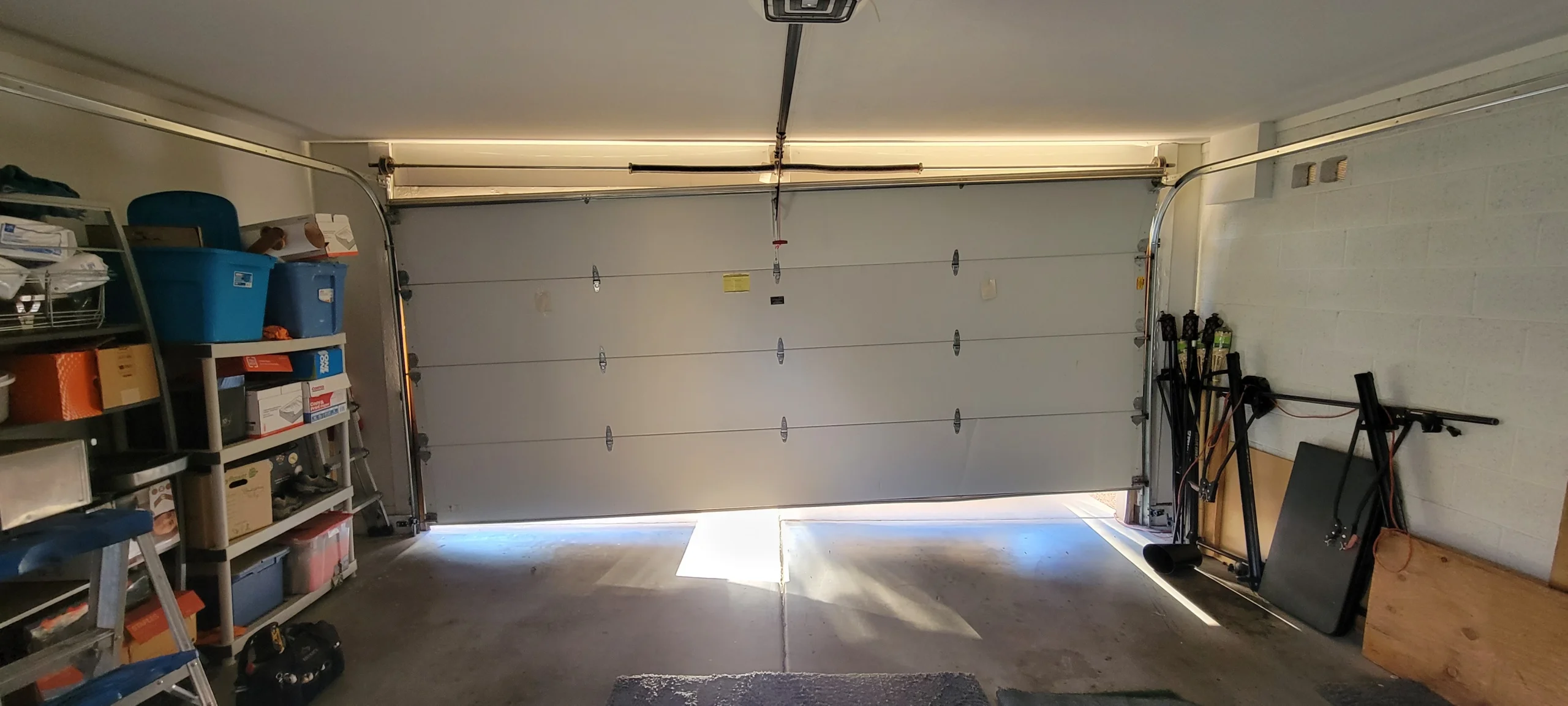
Track issues influence nearly every aspect of door behavior.
Common Indicators of Track Problems
- Visible gaps between rollers and tracks
- Door rubbing against track edges
- Difficulty maintaining alignment after adjustments
- Uneven spacing between door panels
- Increased noise near track joints
- Door coming off the track partially
Track misalignment often reflects structural settling or installation inaccuracies. Residential garage door repair focuses on restoring proper alignment rather than forcing operation.
Ignoring track issues increases the risk of derailment and component damage.
Opener Strain and Performance Changes
The garage door opener relies on balanced movement to function efficiently. When mechanical resistance increases, opener strain becomes noticeable.
Opener issues often indicate underlying mechanical problems rather than electrical failure.
Signs of Opener Stress Related to Door Issues
- Slower response to control input
- Opener stopping mid-cycle unexpectedly
- Audible motor strain during operation
- Increased sensitivity to force settings
- Frequent need for reset procedures
- Reduced reliability under normal conditions
Opener strain often results from spring imbalance, cable issues, or track resistance. Addressing mechanical issues first prevents unnecessary opener replacement.
Professional residential garage door repair ensures that opener performance reflects balanced system operation.
Sensor and Safety System Behavior Changes
Safety sensors monitor obstruction and ensure controlled movement. Sensor issues often appear intermittent, making diagnosis challenging.
Changes in sensor behavior often signal alignment or environmental interference.
Common Safety System Warning Signs
- Door reversing without obstruction
- Inconsistent sensor indicator lights
- Sensitivity to lighting conditions
- Door refusing to close fully
- Temporary improvement after manual reset
- Increased need for user intervention
Sensor misalignment or contamination disrupts detection accuracy. During professional service, often alongside torsion spring repair, technicians restore proper safety margins without compromising overall system behavior.
Ignoring safety system issues increases the risk of injury and property damage.
Weather-Related Wear and Seasonal Performance Shifts
Environmental exposure influences garage door performance over time. Temperature and moisture changes affect materials differently, creating seasonal issues.
Weather-related problems often repeat annually.
Seasonal Issues Commonly Observed
- Expansion or contraction affecting alignment
- Increased noise during temperature changes
- Moisture-related corrosion on hardware
- Insulation degradation over time
- Seal compression is affecting movement
- Condensation impacting sensor performance
A professional evaluation, guided by automatic garage door standards, determines whether seasonal issues reflect normal variation or underlying mechanical problems requiring repair.
Addressing weather-related wear supports consistent year-round operation.
When Multiple Issues Appear Together
Garage door problems rarely occur in isolation. Multiple symptoms often reflect a shared underlying cause, a relationship emphasized within the code of federal regulations governing system safety and operational reliability.
Patterns That Suggest System-Level Problems
- Noise combined with movement irregularities
- Balance issues paired with an opener strain
- Cable wear alongside roller degradation
- Track misalignment with sensor inconsistencies
- Repeated adjustments losing effectiveness
- Escalating service frequency over time
System-level evaluation ensures repairs address root causes rather than surface symptoms.
Preserving Reliability Through Early Professional Evaluation
Residential garage door repair is most effective when issues are identified early rather than addressed reactively after failure. Mechanical systems communicate decline through subtle changes long before complete malfunction.
Professional oversight supports long-term reliability by maintaining balance, alignment, and safety performance across all components. Viewing the garage door as an integrated system helps prevent emergency situations and protects daily usability.
Thoughtful attention to early warning signs establishes a foundation for consistent performance and safer operation over time.
GT Garage Door Repair is committed to delivering exceptional garage door services with customer satisfaction as the top priority. Local service in Chandler, Arizona, offers fast response times and affordable pricing for repairs, installations, and routine service. Every job is handled with care, professionalism, and attention to detail.
Contact us today or give us a call to schedule reliable garage door service.