
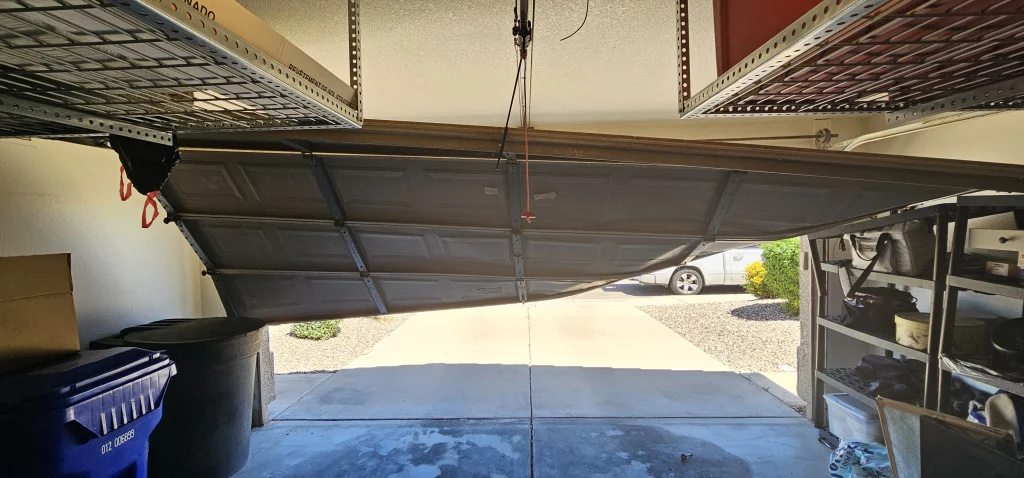
Residential garage door systems rely on multiple interconnected components that wear at different rates, which makes repair pricing less predictable than many homeowners expect. Cost often varies not only by the visible problem but also by underlying conditions that influence how repairs must be performed.
Understanding the cost of residential garage door repair requires examining the factors that shape labor time, part replacement, and system complexity, rather than focusing on a single repair type. This is especially true for garage door repair, where pricing reflects the condition of the entire system and the level of precision required to restore reliable operation.
Type of Repair Required and Component Involved
The specific component requiring repair plays a central role in determining overall service cost. Some components can be replaced straightforwardly, while others require careful balancing and safety precautions.
Repair type influences both labor intensity and risk level.
Find out which residential garage door issues homeowners encounter most often and why spotting them early can prevent bigger problems by reading: What Are the Most Common Residential Garage Door Repair Issues Homeowners Should Watch For?
Common Repair Types That Influence Pricing
- Garage door spring repair involving torsion or extension systems
- Garage door cable repair addressing fraying or tension imbalance
- Garage door roller repair, correcting movement resistance
- Track realignment to restore proper door travel
- Sensor adjustment affecting safety performance
- Opener strain correction caused by mechanical imbalance
Each repair type carries different labor requirements and safety considerations. Spring and cable repairs typically cost more due to the risks posed by stored energy and the precision balancing requirements.
Component-specific pricing reflects the skill and time required, rather than just part cost.
Learn how to decide whether residential garage door repair or full replacement is the better option based on condition, cost, and long-term value by reading: Residential Garage Door Repair vs Replacement: How to Know Which Option Is Right.
Severity of Damage and Extent of Wear
Repair cost increases when damage extends beyond a single component. Wear severity influences whether adjustments suffice or replacement becomes necessary.
Severity often determines whether additional components require service during the same visit.
Explore the situations where calling a professional for residential garage door repair is the safer and more reliable choice over DIY attempts by reading: When to Call a Professional for Residential Garage Door Repair Instead of DIY.
Damage Severity Factors Affecting Repair Cost
- Degree of visible wear or corrosion
- Number of components affected simultaneously
- Loss of balance across the system
- Structural distortion of tracks or panels
- History of deferred maintenance
- Presence of secondary damage
Minor wear often resolves with adjustment or lubrication, while advanced wear requires component replacement. Severe damage increases labor time due to the need for careful recalibration.
Evaluating severity prevents underestimating the true repair scope.
Labor Complexity and Time Requirements
Labor accounts for a significant portion of the cost of residential garage door repair. Complexity influences how long technicians must spend diagnosing, repairing, and testing the system.
Time investment varies based on system condition.
Factors That Increase Labor Complexity
- Multiple components requiring coordination
- Difficult access to hardware or tracks
- Extensive realignment after repair
- Safety system recalibration needs
- Repeated testing to confirm balance
- Correcting previous improper repairs
Labor complexity increases when repairs require restoring system-level balance rather than replacing a single part. During emergency garage door repair services, testing and adjustment add time, ensuring reliability under urgent conditions.
Pricing reflects thorough service rather than speed.
Type of Garage Door System and Configuration
Garage door design influences repair cost through component availability, size, and weight. Larger or specialized systems require more labor and heavier-duty parts.
System configuration matters significantly.
System Characteristics That Affect Pricing
- Single-car versus double-car door size
- Weight of door panels and insulation
- Torsion versus extension spring design
- Track layout and mounting style
- Opener compatibility and force settings
- Custom or non-standard door designs
Heavier doors place greater demand on springs and cables, increasing replacement cost. These systems also require more attentive care and maintenance, particularly when custom components or specialized parts are in limited supply.
System-specific factors shape both parts and labor pricing.
Age of the Garage Door System
System age influences repair cost through wear accumulation and part compatibility. Older systems often require additional adjustments to restore balance.
Age affects the feasibility of straightforward repairs.
Age-Related Factors That Influence Cost
- Availability of compatible replacement parts
- Wear across multiple components
- Degraded hardware or fasteners
- Outdated safety features
- Reduced tolerance for adjustment
- Increased likelihood of future repairs
As outlined in a comprehensive guide to garage doors, older systems often require more extensive service even when addressing a single issue. Repair costs reflect the additional effort needed to integrate new components with aging ones.
Age-related considerations sometimes influence decisions between repair and replacement.
Emergency Versus Scheduled Repair Timing
Timing plays a significant role in pricing, particularly when emergency service becomes necessary. Emergency garage door repair often involves premium labor rates.
Urgency influences service availability and cost.
Factors That Increase Cost During Emergency Repairs
- After-hours or weekend service requests
- Immediate response requirements
- Limited time for part sourcing
- Safety stabilization before full repair
- Increased labor allocation
- Temporary solutions before permanent repair
Emergency situations often arise from deferred maintenance or sudden component failure. Scheduling repairs proactively reduces the likelihood of higher emergency pricing.
Timing decisions directly affect total repair expense.
Diagnostic and Evaluation Requirements
Accurate diagnosis ensures repairs address root causes rather than symptoms. Diagnostic time contributes to overall service cost.
Thorough evaluation supports reliable outcomes.
Diagnostic Factors Affecting Pricing
- Time required to assess system balance
- Identification of multiple interacting issues
- Testing under load and movement cycles
- Safety system performance verification
- Inspection of structural alignment
- Documentation of wear patterns
Diagnosis prevents incomplete repairs that lead to repeated service calls. Pricing reflects the value of identifying all contributing factors.
Comprehensive evaluation reduces long-term repair expense.
Geographic and Market Influences on Pricing
Regional labor rates and market conditions influence residential garage door repair costs. Pricing varies based on local demand and service availability.
Location affects cost structure.
Market Factors That Influence Repair Pricing
- Regional labor cost differences
- Availability of trained technicians
- Local demand for emergency services
- Transportation time to service locations
- Part availability within the region
- Seasonal service demand fluctuations
Urban areas often experience higher labor rates, while rural locations may involve additional travel costs. Market conditions shape pricing beyond repair complexity.
Understanding local factors helps contextualize estimates.
Impact of Preventive Maintenance on Repair Cost
Preventive maintenance reduces repair costs by addressing wear before failure occurs. Maintenance influences pricing indirectly by limiting damage severity.
Maintenance supports a predictable expense.
Maintenance Factors That Lower Repair Costs
- Regular lubrication reduces friction
- Early detection of wear patterns
- Timely adjustment of balance
- Cleaning of tracks and sensors
- Inspection of cables and springs
- Correction of minor misalignment
Systems receiving regular maintenance typically require less extensive repair. Lower repair cost reflects reduced labor and fewer replaced components.
Preventive care supports budget stability.
Comparing One-Time Repair Cost Versus Ongoing Expense
Repair cost should be evaluated over time rather than per service visit. Repeated small repairs may exceed the cost of fewer comprehensive services.
A long-term perspective clarifies value.
Factors Influencing Cumulative Repair Expense
- Frequency of required service visits
- Escalation of wear across components
- Repeated emergency garage door repair incidents
- Temporary fixes are losing effectiveness
- Increased labor over time
- Compounding alignment issues
Understanding cumulative cost helps determine whether ongoing repair remains practical. Pricing decisions benefit from long-term cost awareness.
Role of Professional Service Quality in Pricing
Service quality influences pricing through thoroughness and reliability. Lower-cost service may omit necessary evaluation or adjustment.
Quality affects long-term cost outcomes.
Service Quality Factors That Affect Cost
- Depth of system evaluation
- Precision of balance and alignment
- Quality of replacement components
- Extent of safety testing performed
- Follow-up reliability of repairs
- Documentation and transparency
Professional service emphasizes correct repair over minimal intervention. Pricing reflects comprehensive work that reduces repeat issues.
Quality service often lowers overall expense despite a higher initial cost.
Emergency garage door repair services typically incur higher fees due to the immediate, after-hours response required for urgent situations.
- The type of material your garage door is made from, like steel, wood, or aluminum, directly impacts the complexity and price of a professional service.
- Labor charges from a qualified technician are a major part of the final bill, varying based on the intricacy and duration of the repair.
- Replacing small parts like new rollers or hinges is far more affordable than addressing major issues like a damaged garage door opener or bent tracks.
Supporting Cost Predictability Through Informed Repair Decisions
Residential garage door repair cost reflects more than part replacement, encompassing labor complexity, system condition, and long-term reliability considerations. Understanding pricing factors helps set realistic expectations.
Professional evaluation supports cost predictability by identifying issues early and preventing emergency situations. Viewing repair as a system-level investment rather than a single transaction supports better financial planning.
Thoughtful maintenance and timely repair decisions help control cost while preserving safe, reliable operation over the system’s lifespan.
GT Garage Door Repair delivers professional garage door services designed around fast response and customer-first care. Local operations in Chandler, Arizona, support efficient service and fair pricing for repairs and installations. Consistent workmanship ensures dependable results on every project.
Contact us today or give us a call to get expert garage door service.
Frequently Asked Questions