
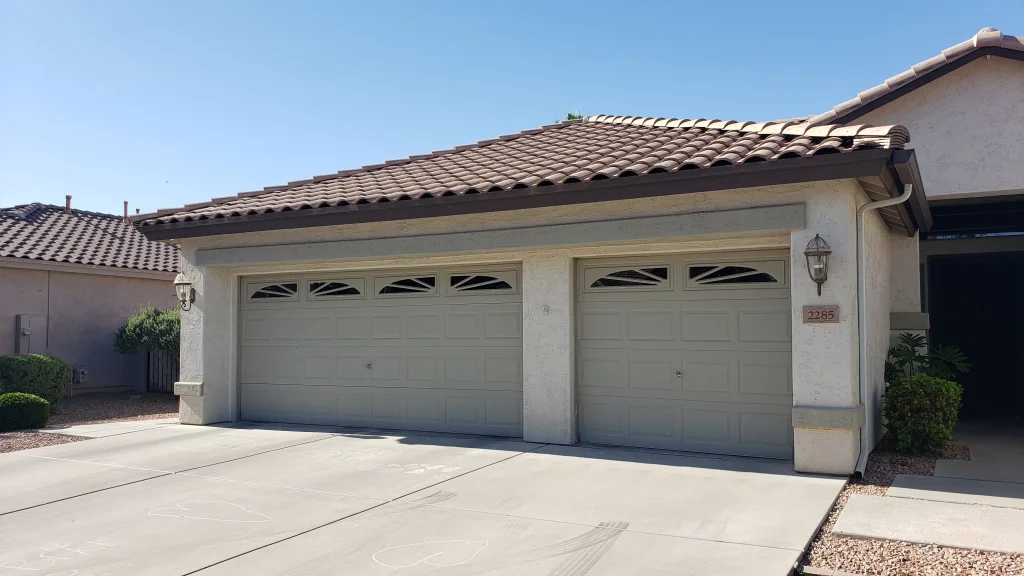
If you are shopping for a new garage door in Chandler, AZ, you have probably come across two names more than once: Clopay and CHI. Both are well-known. Both are widely installed. And both will make your home look better from the street. But they are not the same, and depending on your home, your budget, and what you actually need, one is going to be a better fit than the other.
This guide breaks down each brand in plain language. No confusing jargon. No sales pitch. Just a real side-by-side look at quality, durability, style, insulation, and overall value so you can walk away with a clear answer. And if your current door is already showing signs of wear, understanding your options now can also save you from costly garage door repair down the road.
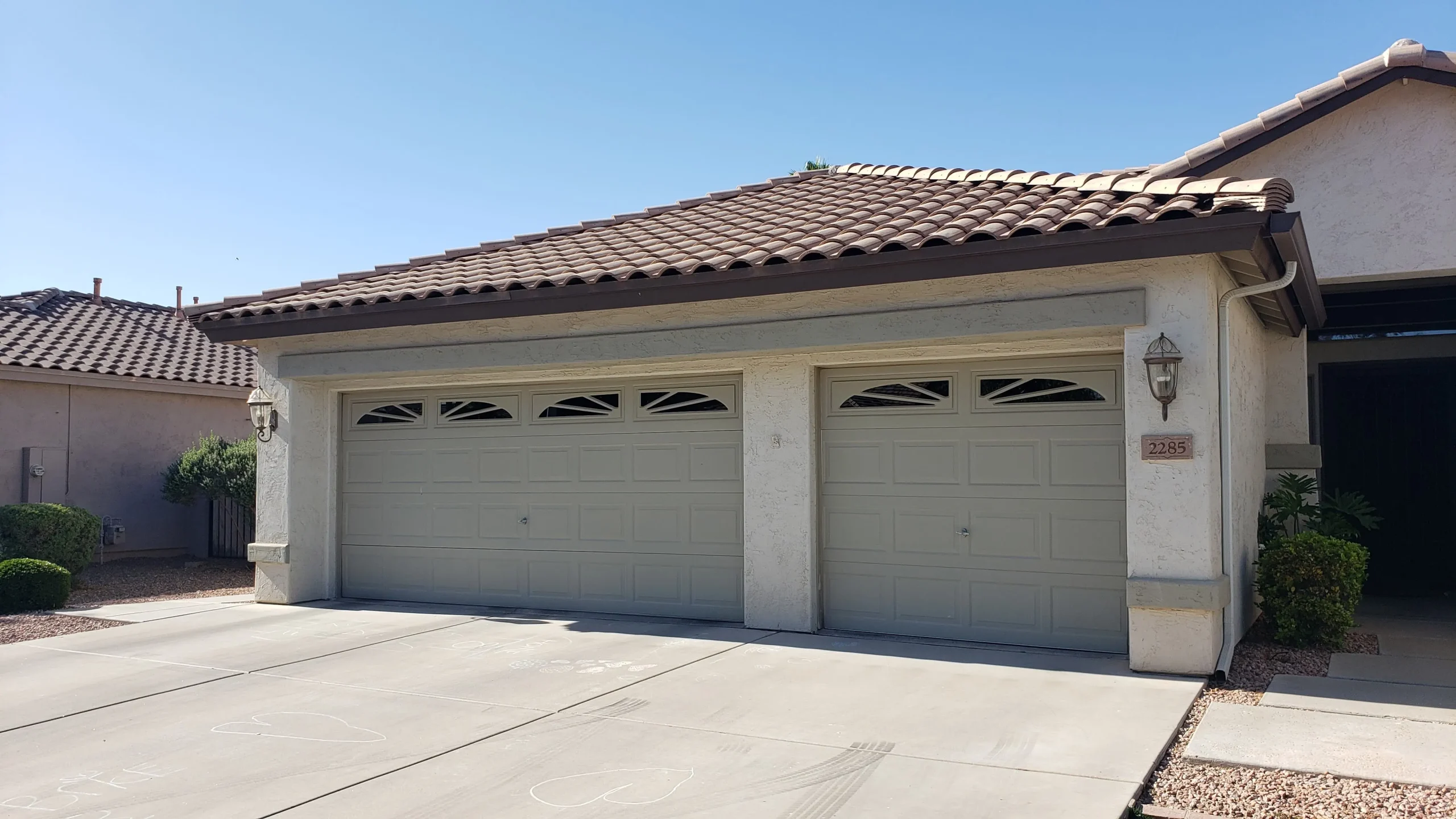
A Quick Look at Both Brands
Clopay: The Household Name
Clopay has been around since 1964. They are the largest residential garage door manufacturer in North America, and their products are sold through authorized dealers nationwide. When most homeowners picture a garage door, there is a good chance they are picturing a Clopay.
CHI: The Industry-Trusted Alternative
CHI, which stands for Clopay Holdings Inc., is actually a separate brand that operates independently. It was founded in 1981 and has earned a strong reputation among professional installers and contractors. CHI doors are typically sold through dealers only, not big-box stores, which means the buying experience is a bit different.
CHI is known for building doors that are tough, well-insulated, and built to last. They may not have the same name recognition with homeowners, but professionals in the garage door industry often speak highly of their craftsmanship.
If you want to go deeper on how material and construction affect long-term performance, our article on Why Your Garage Door Material Matters Most covers everything you need to know before making your final call.
Build Quality and Materials: Which One Holds Up Better?
This is where things get interesting. Both brands use steel as their primary material, but how they build with it makes a real difference in how long the door will last, especially in Arizona, where heat, dust, and sun put a lot of stress on exterior products. Before comparing brands, it helps to understand the types of garage doors available so you have the full picture going in.
Steel Thickness and Panel Construction
Steel gauge matters. The lower the gauge number, the thicker the steel. Thicker steel means less denting, less warping, and a door that feels solid when you use it.
Clopay uses 25 to 27-gauge steel on most of its mid-range and higher lines, which is solid for residential use.
CHI offers 24-gauge steel on several of its panels, which is slightly thicker and more resistant to dings from kids, basketballs, and everyday wear.
Both brands offer polyurethane foam insulation cores that add strength to the panel structure.
Paint and Finish Durability
Chandler homeowners deal with intense UV exposure. A garage door finish that looks great in a showroom can fade, chip, or peel within a few years if it is not built for the sun.
Clopay uses a galvanized steel base with a baked-on paint finish, which holds up reasonably well against fading.
CHI applies a hot-dip galvanizing process followed by a primer and top coat, offering strong corrosion resistance and longer-lasting color retention.
If your home gets direct afternoon sun, CHI’s finish process may hold up better over the long term.
Insulation Performance: Staying Cool in the Arizona Heat
Garage insulation is not just a Northern states concern. In Chandler, a poorly insulated garage door can drive up your cooling costs and make your garage unbearable for most of the year. R-value measures how well insulation resists heat transfer. The higher the R-value, the better.
Clopay Insulation Options
Clopay’s GALLERY Collection offers R-6.3 to R-12.9 depending on the panel thickness selected.
Their top-tier ENERGUARD line reaches R-18, which is excellent for attached garages connected to living space.
Most Clopay insulated doors use polyurethane foam injected directly into the panel, which adds structural strength as well.
CHI Insulation Options
CHI offers insulated doors with R-values ranging from R-6 to R-17, competitive with Clopay’s mid-range options.
Their tri-layer construction, steel-foam-steel, gives the door added rigidity and thermal efficiency.
For homes with attached garages in Chandler, either brand’s insulated line will make a noticeable difference in temperature control.
Style and Design Options: Curb Appeal Matters Too
Your garage door takes up roughly 30 percent of your home’s front-facing exterior. That is a lot of visual real estate. Knowing what to look for when choosing a garage door can help you land on a style that adds real value to your home.
Clopay Design Collections
GALLERY Series: Clean raised-panel steel doors that suit traditional and transitional homes well.
COACHMAN Series: Carriage-house style with a composite overlay that mimics wood without the upkeep.
AVANTE Series: Full-view aluminum and glass doors, modern and eye-catching for contemporary Chandler homes.
RESERVE Wood Collection: Real wood doors for homeowners who want an authentic, high-end look.
CHI Design Collections
Raised Panel and Flush Panel: Clean, classic looks that fit most neighborhood architectural styles.
Carriage House Style: Overlays and hardware accents that give a traditional look without sacrificing convenience.
Seamless Aluminum: CHI offers aluminum door options that work well for modern-style homes.
Clopay generally offers more variety in design collections, especially at the custom and premium end. CHI’s lineup is more focused, but what they offer is consistently well-built and visually appealing.
Warranty Coverage: What Happens If Something Goes Wrong?
A garage door is not a small investment, so the warranty matters.
Clopay Warranty Details
Limited lifetime warranty on steel doors against rust-through perforation.
Limited lifetime warranty on the finish (fading, cracking, or peeling) on most collections.
Specific component warranties vary depending on the product line selected.
CHI Warranty Details
Limited lifetime warranty on residential door panels for rust-through.
Finish warranty covering fading and peeling under normal weather conditions.
Hardware components, springs, and rollers carry separate warranty coverage.
Both brands offer competitive warranty packages. The bigger factor is usually the installer. A door installed incorrectly will wear faster regardless of the brand. Always work with a certified dealer or professional technician who is familiar with the product.
If you are still exploring what to look for before you buy, check out our guide on What To Look For When Buying a Garage Door for a full breakdown of the buying process.
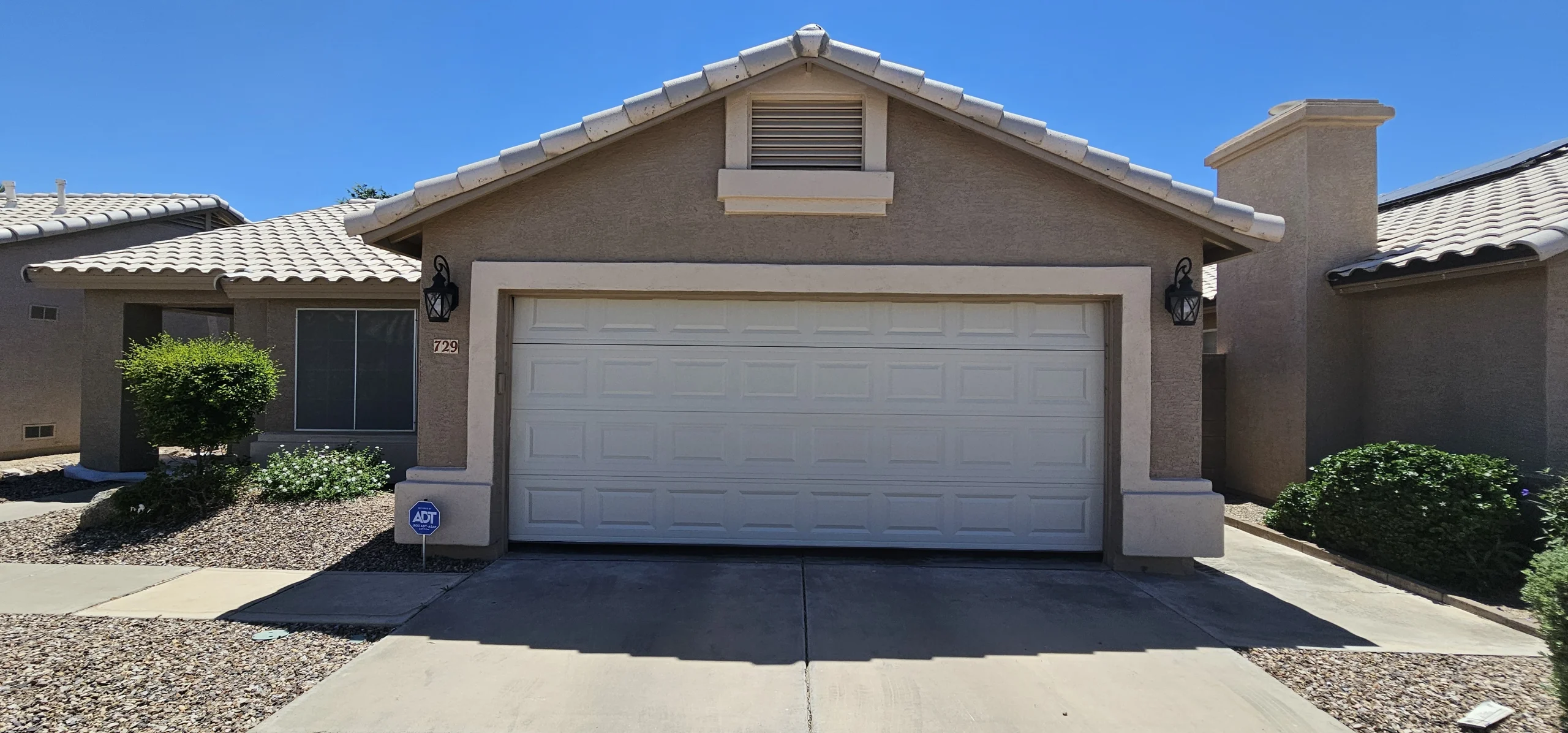
Common Issues to Watch For With Each Brand
Even the best garage doors can develop problems over time, especially in a high-heat environment like Chandler. Routine garage door maintenance is the single most effective way to catch small issues before they become costly repairs, regardless of which brand you choose.
Clopay: What Homeowners Report
Panel denting on lighter gauge models, especially in homes with kids or vehicles parked close to the door.
Weather seal wear over time in high-heat climates, which can allow dust and heat to enter the garage.
Hinge and roller noise on older models if lubrication is not maintained.
CHI: What Homeowners Report
Less widespread dealer availability compared to Clopay, which can make service or parts slightly harder to source in some areas.
Because CHI is sold exclusively through dealers, warranty service depends heavily on the quality of the dealer you work with.
Some homeowners report a longer lead time for specialty panel orders compared to Clopay’s broader distribution network.
Tips to Avoid Problems With Either Brand
Inspect the bottom weather seal every spring and fall. Replace it if it appears cracked, flattened, or pulling away from the door.
Apply a silicone-based lubricant to rollers, hinges, and the spring system at least twice a year.
Check the door balance every few months by disconnecting the opener and manually lifting the door halfway. If it does not stay put on its own, the spring tension may need adjustment by a professional.
If you are wondering whether your current door is past its prime, our guide on When Should You Replace Your Garage Door? can help you figure that out.
Cost Comparison: Average Investment for Each Brand
What to Expect With Clopay
Clopay’s product range is wide, so the average cost varies significantly depending on the collection, panel thickness, insulation level, and finish. Entry-level steel doors start at an average cost that is accessible for most homeowners, while premium collections like RESERVE Wood or AVANTE full-view glass can run considerably higher. Installation cost will vary depending on door size, removal of the old door, and the complexity of the setup.
What to Expect With CHI
CHI doors are typically priced in the mid-to-upper range for residential garage doors. Because they are sold through dealers, pricing can vary more from one installer to the next compared to Clopay’s retail pricing at big-box stores. The average cost of a CHI door installation in the Chandler area may be slightly higher than a comparable Clopay product, but the build quality often justifies the difference for homeowners who plan to stay in their home long-term.
Our advice: get at least two quotes that include both material and labor before making your final decision.
Which Brand Is the Right Fit for Your Home?
Choose Clopay If…
You want a wide range of design styles and collections to choose from.
You prefer buying through a big-box retailer and want easier access to product information before purchasing.
You are replacing a basic door on a budget and want a trusted brand with strong warranty support.
Choose CHI If…
You want a door built with slightly thicker steel and a more robust finish that stands up to Arizona heat.
You are working with a professional installer who recommends and backs CHI products with their own service.
Durability and long-term performance matter more to you than having the widest design selection.
Your Chandler Home Deserves the Right Door From the Start
Both Clopay and CHI make quality garage doors, and either one can serve your home well for many years if it is chosen carefully and installed correctly. Clopay gives you more design variety and easier retail access. CHI gives you a slightly tougher build with excellent insulation performance. Neither brand is the automatic winner. The right one depends on your home’s needs, your style preferences, and who is putting it in.
If you are in the Chandler, AZ area and want an expert opinion on which door actually fits your home, the team at GT Garage Door Repair is ready to help. We work with both brands and can walk you through the options that make the most sense for your property. Contact us or give us a call and let us help you make a confident, informed decision before you spend a dollar.