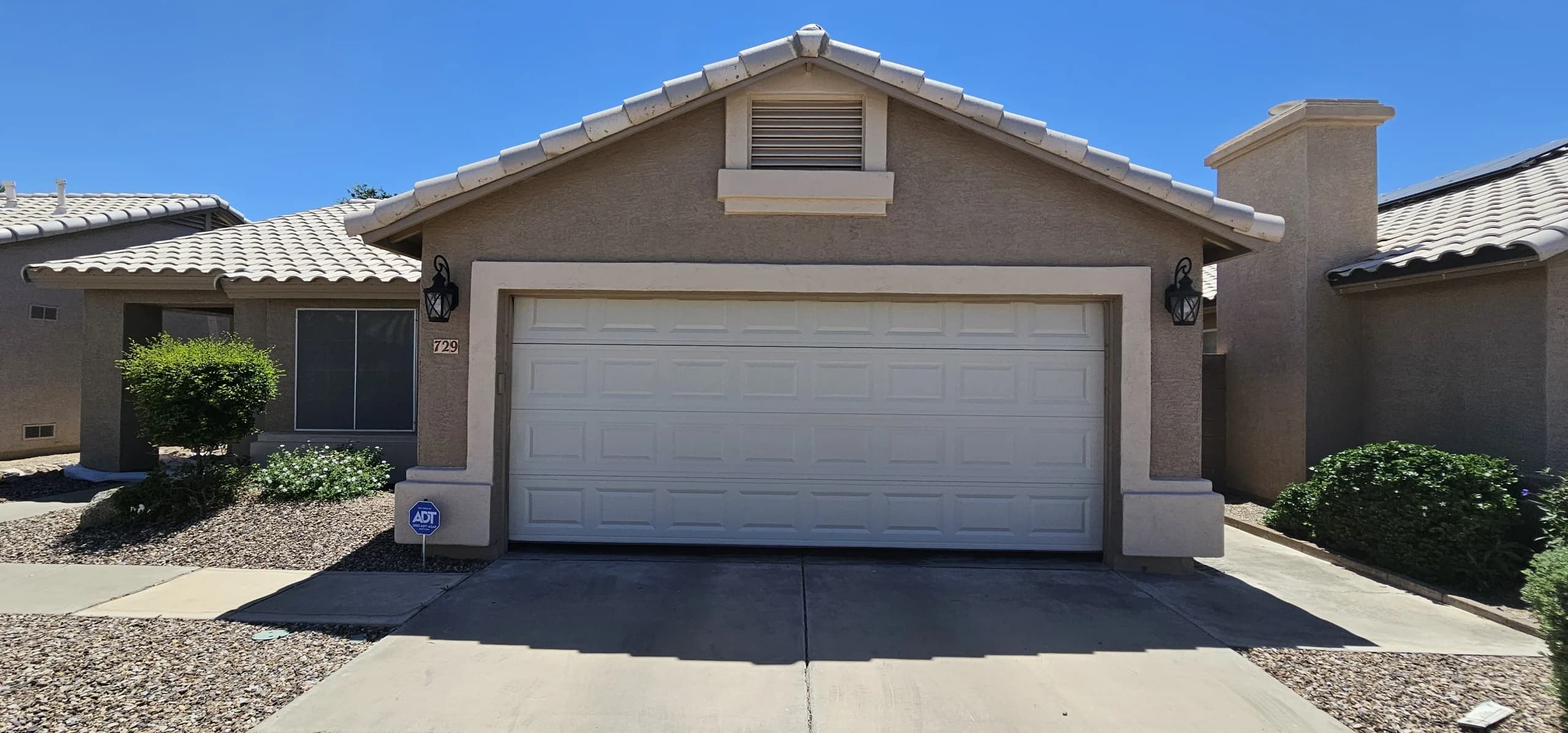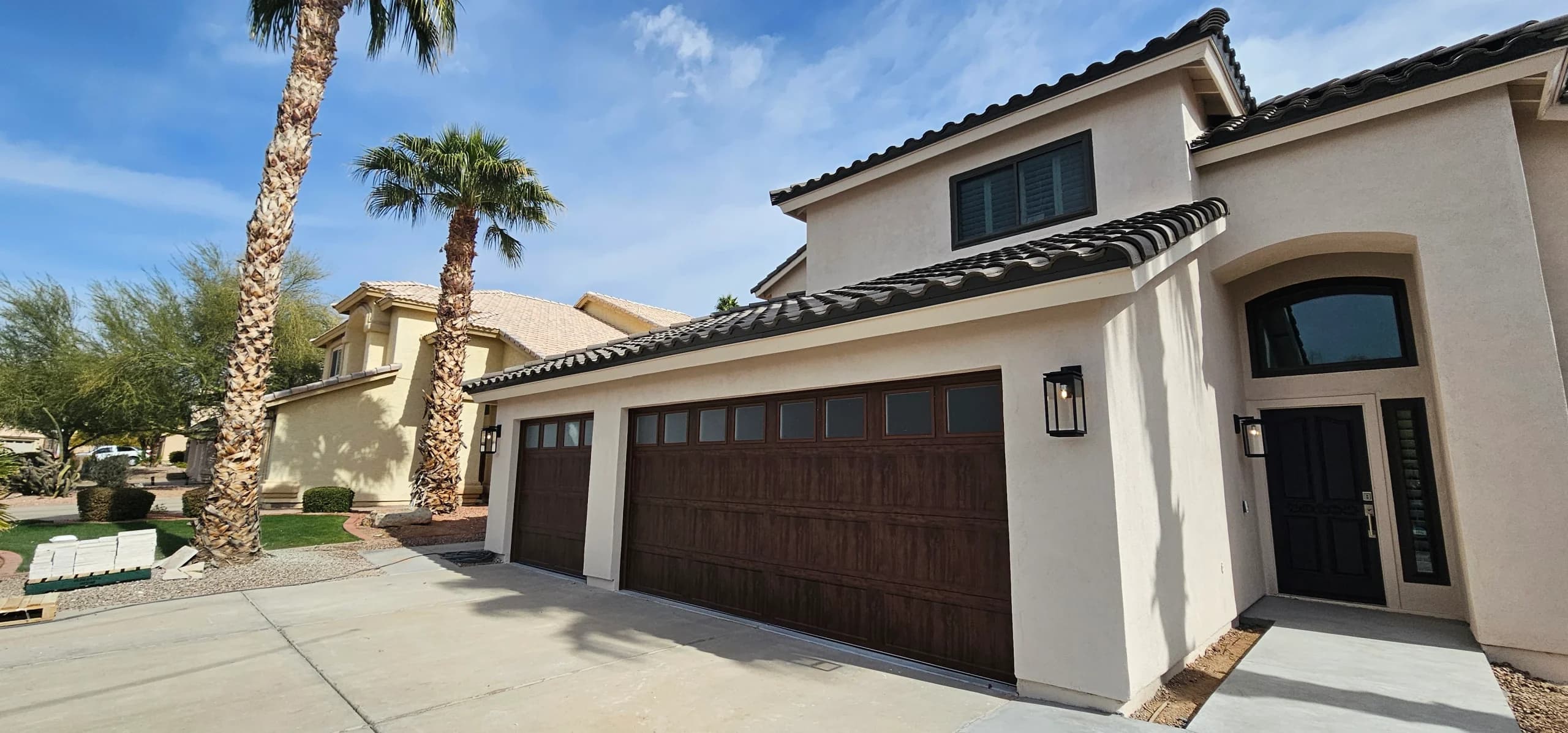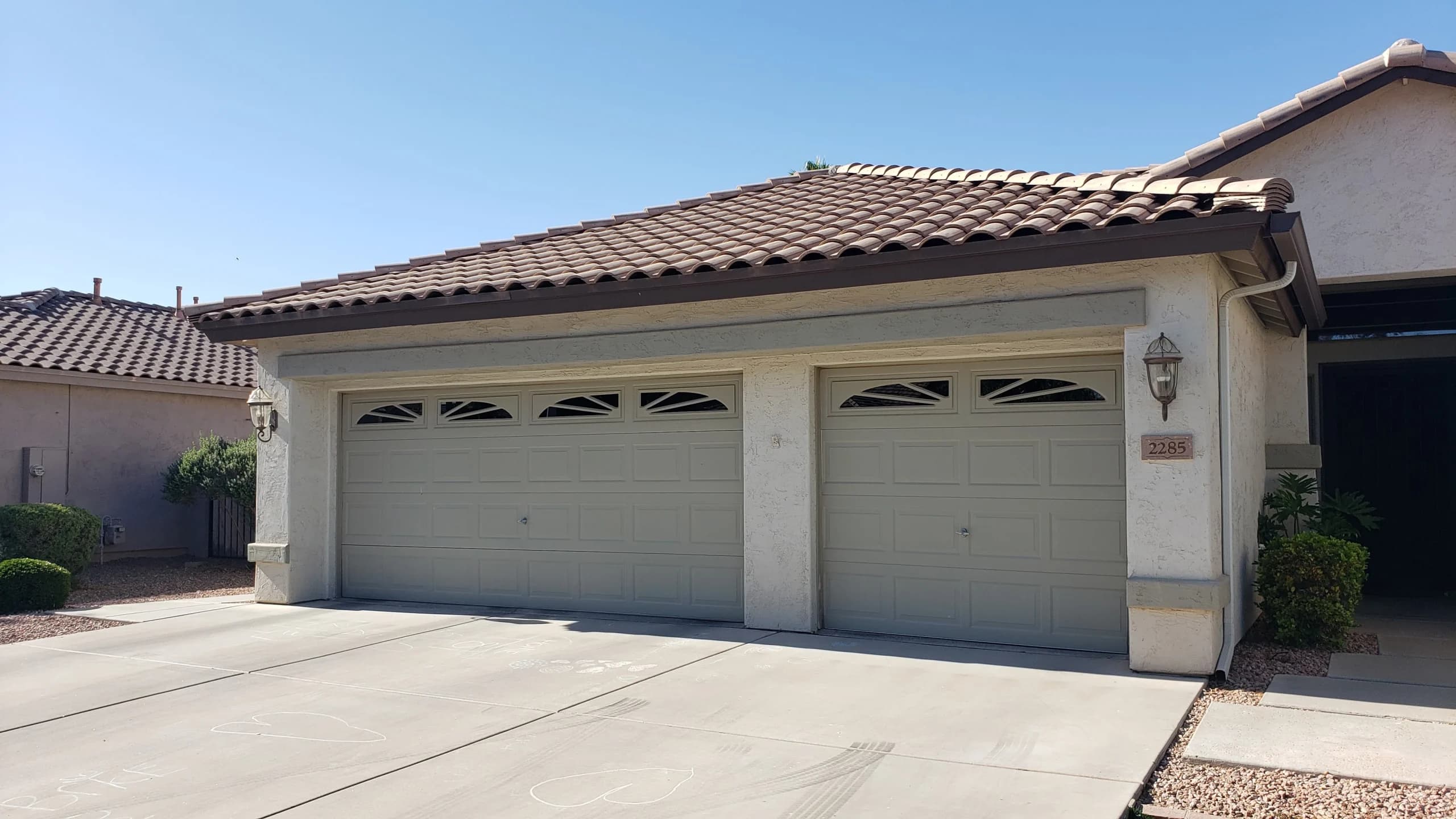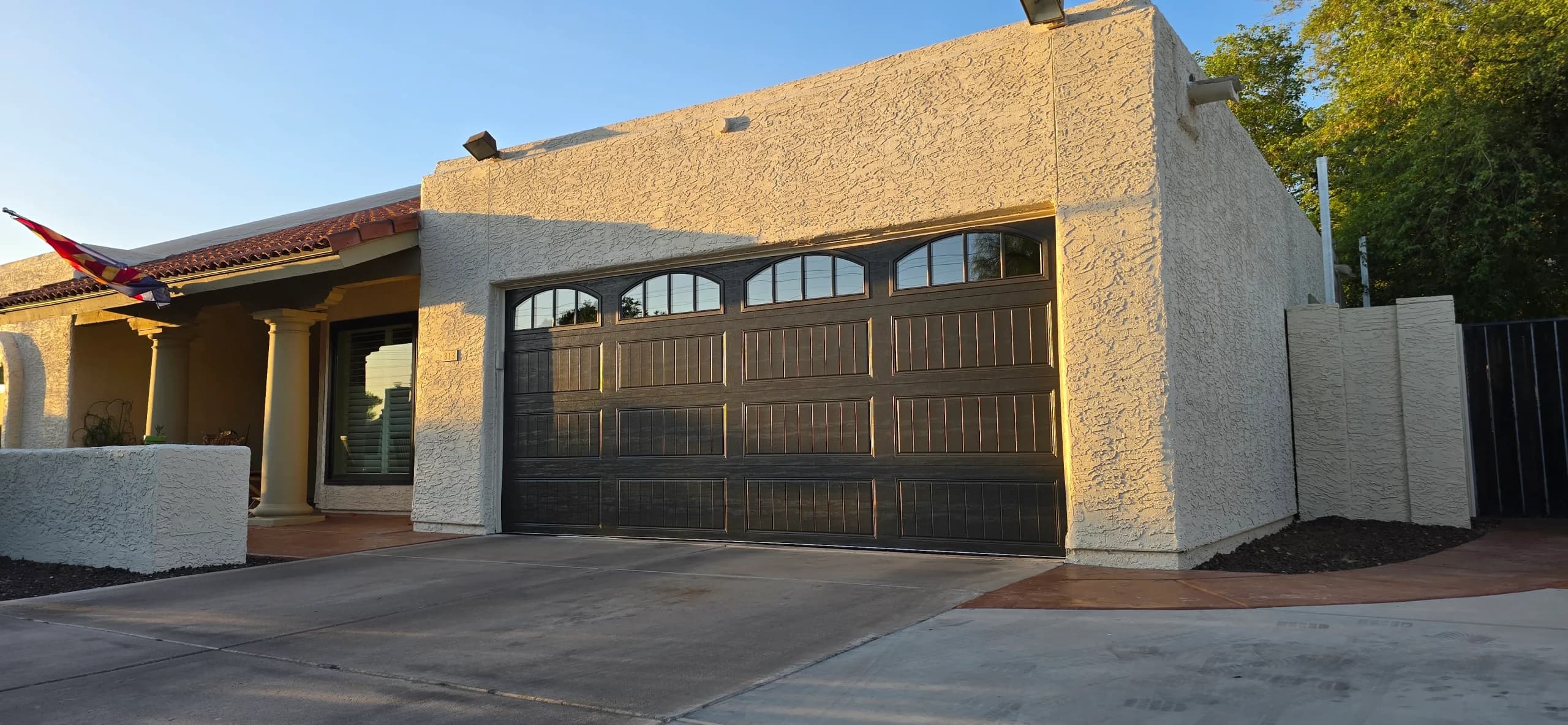
Most homeowners spend a lot of time thinking about how their garage door looks. Color, style, hardware. All of that matters. But the material your door is made from is the decision that will affect everything else: how long it lasts, how much it costs to maintain, how well it handles the heat, and whether it still looks good five years from now.
If you live in Chandler, AZ, material choice matters even more. The desert climate is tough on exterior surfaces. Extreme heat, strong UV rays, and occasional dust storms put real stress on garage doors in ways that cooler climates simply do not. Choosing the wrong material can also lead to more frequent garage door repair calls over the years, which adds up faster than most homeowners expect.
Steel: The Most Common Choice for a Reason
Steel is the most widely used garage door material in the country, and for good reason. It is durable, relatively low maintenance, and available at almost every price point.
What Makes Steel a Strong Option
- Steel holds up well against physical impact, which makes it a practical choice for busy households with kids, cars, and daily wear.
- It is available in insulated versions that help manage the extreme heat Chandler homeowners deal with from late spring through early fall.
- Steel doors can be painted, textured, or finished to mimic wood grain, giving homeowners more design flexibility without the upkeep of real wood.
What to Watch Out For With Steel
- Thinner gauge steel (26 or 27-gauge) dents more easily than heavier 24-gauge panels. If you have a tight driveway or an active household, thicker steel is worth the extra investment.
- Steel can rust if the finish is scratched and left untreated, especially in areas that see moisture. Check for chips or scratches every season and touch them up promptly.
- Dark-colored steel panels absorb more heat in direct sun, which can affect both the door’s finish and the temperature inside the garage.
If you are still deciding between specific brands, our comparison of Which Garage Door Is Better: Clopay or CHI? can help you narrow things down once you have settled on a material.
Wood: Natural Beauty With a Higher Maintenance Commitment
Wood garage doors are a standout choice for homeowners who want real curb appeal. There is no material that looks quite like natural wood, and in upscale Chandler neighborhoods where home aesthetics matter, a well-maintained wood door genuinely stands out. That said, wood requires more attention than any other material on this list.
What Makes Wood Worth Considering
- Real wood offers a richness and warmth that composite and steel finishes can imitate but never fully replicate.
- Wood can be custom-built to fit non-standard openings, which is useful for older homes or properties with unique architectural details.
- It can be stained or painted in a wide range of finishes, and refinished over time as styles change.
The Honest Downsides of Wood in Arizona
- Wood expands and contracts with temperature and humidity changes. In Chandler’s dry heat, this can cause warping, cracking, or panels that stick and bind over time.
- Without regular sealing and repainting every few years, wood deteriorates faster than steel or aluminum in high-UV environments.
- Wood is one of the heavier materials, which puts more strain on springs, cables, and the opener over time. Professional maintenance checks matter more with wood doors.
Aluminum: Lightweight, Rust-Resistant, and Modern
Aluminum has become a popular choice for contemporary-style homes, and it is a particularly smart option in regions where rust and corrosion are concerns. It is lighter than steel, which reduces stress on the hardware, and it never rusts, which matters in climates that see seasonal rain or irrigation moisture.
Where Aluminum Shines
- Aluminum is the go-to material for full-view or glass-panel garage doors, which are popular in modern and mid-century style Chandler homes.
- Its lighter weight means less wear on springs and openers over time, which can reduce the frequency of hardware repairs.
- Aluminum holds paint and anodized finishes well, giving it a clean, consistent appearance that fits modern architecture.
Where Aluminum Falls Short
- Aluminum dents more easily than steel. A stray basketball or a minor vehicle bump can leave a mark that is difficult to repair without replacing the panel.
- Aluminum is a poor insulator on its own. Full-view aluminum doors with single-pane glass can let significant heat into your garage, which is a real concern in Chandler summers.
- Thermally broken aluminum frames with dual-pane glass are available and improve insulation, but they add to the overall cost.
Wood Composite: The Middle Ground Between Real Wood and Steel
Wood composite doors are built with a steel or wood frame and covered with a composite overlay that replicates the look of real wood. They give homeowners the visual appeal of a carriage-house style door without the maintenance demands of solid wood. According to proper garage door care and maintenance (opens in a new tab) guidelines from the International Door Association, composite materials generally require less seasonal upkeep than real wood while still delivering strong visual results.
Why Composite Works Well for Chandler Homes
- Composite overlays do not warp or crack the way real wood does in high heat, making them more stable for Arizona’s climate.
- The steel core gives the door impact resistance, while the overlay delivers the visual richness of wood grain without the weight.
- Composite doors are prefinished and require only occasional cleaning rather than annual sealing or repainting.
What to Keep in Mind
- Composite doors are heavier than standard steel doors, which may require a more powerful opener to operate smoothly.
- If the composite overlay is damaged, replacement typically requires a full panel swap rather than a simple patch.
- Availability of styles and finishes varies by manufacturer, so custom color matching can be more limited compared to steel.
Fiberglass: A Niche Option With Specific Advantages
Fiberglass garage doors are less common, but they serve a purpose in certain situations. They are primarily chosen for their resistance to salt air corrosion, which makes them popular in coastal regions. In Chandler, their application is more limited, but they may suit homeowners looking for a lightweight door with a unique translucent finish.
When Fiberglass Makes Sense
- Fiberglass does not corrode or rust, which can matter in properties with aggressive irrigation systems or high-humidity microclimates.
- Some fiberglass panels are translucent, allowing natural light into the garage without requiring glass inserts.
- Fiberglass is lightweight and does not require heavy-duty hardware to operate.
Where Fiberglass Falls Behind
- Fiberglass becomes brittle in extreme cold, though this is less of a concern in Chandler. More relevant is that prolonged UV exposure can cause fiberglass to yellow and fade.
- Insulation performance is generally poor unless composite layers are added, which significantly increases the cost.
- Fiberglass is not as widely available as steel or aluminum, so replacement panels and parts can be harder to source locally.
How Material Choice Connects to Safety and Performance Standards
Beyond aesthetics and durability, the material you choose affects how your door performs against wind load, impact, and long-term structural integrity. Garage door safety standards (opens in a new tab) from DASMA outline what residential doors should meet in terms of structural performance. Heavier-gauge steel and composite doors typically meet or exceed these benchmarks more easily than thinner materials.
What to Check When Comparing Materials for Safety
- Ask about the door’s wind load rating, especially if your property faces open exposure or is near the edge of a neighborhood where gusts come through more directly.
- Check whether the panel construction is single, double, or tri-layer. More layers generally mean better structural performance and insulation value.
- Confirm that the hardware included with the door, specifically springs and cables, is rated for the door’s weight. Heavier materials require heavier-duty hardware.
Insulation Ratings by Material: What R-Value Really Means for You
R-value is a measure of thermal resistance, and in Chandler’s climate, it is one of the most important specs to pay attention to. A door with a low R-value essentially acts as a large heat conductor in summer.
R-Value Ranges by Material
- Steel with polyurethane foam: R-13 to R-18. One of the best options for insulation in residential applications.
- Wood composite with insulated core: R-7 to R-12. Good mid-range performance depending on the construction.
- Aluminum without insulation: R-0 to R-2. Not recommended for attached garages in high-heat climates without upgrading to thermally broken frames.
- Solid wood: R-2 to R-4. Wood’s natural insulation value is surprisingly low, which is why wood doors in hot climates need an insulated core to be practical.
If you want to understand how insulation factors into the buying decision more broadly, our guide on What To Look For When Buying a Garage Doo r covers this in more detail.
How to Know When Your Material Choice Is Failing You
Sometimes, the signs that a garage door is past its prime are obvious. Other times, they are subtle. If you notice warping panels, peeling finish, rattling during operation, or unusual drafts in your garage, those are signals worth paying attention to. Staying on top of routine garage door maintenance is the most reliable way to catch these warning signs before they turn into bigger, more expensive problems.
Signs the Material Is Breaking Down
- Visible rust spots or bubbling paint on steel doors indicate the protective coating has been compromised. Left untreated, this leads to panel corrosion.
- Warping or swelling on wood doors, especially at the bottom panel, signals moisture infiltration or prolonged heat exposure that has stressed the material.
- Dents or cracks that affect how the door seals at the top, sides, or bottom are a sign that the panel structure is no longer providing adequate protection.
Simple Checks Every Homeowner Should Do
- Inspect all panels visually every few months. Run your hand along seams and edges to check for gaps or movement that was not there before.
- Check the bottom seal and side weather stripping for cracking or compression failure. This is one of the first things to go regardless of door material.
- If the door is noisier than it used to be during operation, have a professional inspect the hardware. Material stress often shows up in the operation before it becomes visible.
Our guide on When Should You Replace Your Garage Door? walks through the specific warning signs that indicate it is time for a change.
The Material Decision Shapes Everything That Comes After It
Choosing a garage door material is not just a visual decision. It shapes how well your home handles Chandler’s summer heat, how often you will need repairs, how long the door lasts, and how much you spend maintaining it over the years. Steel is the most practical choice for most homeowners. Wood offers unmatched beauty at a higher maintenance cost. Aluminum suits modern aesthetics but needs insulation upgrades in hot climates. Composite lands in the middle and performs reliably with very little upkeep.
If you are ready to make the right material choice for your home in Chandler, AZ, the team at GT Garage Door Repair can walk you through the options that actually fit your property, your budget, and your climate. Contact us or give us a call and let us help you start with the right foundation.