
Your garage door works hard every day. Most homeowners do not think about it until something goes wrong. But when a garage door cable starts to fail, it rarely happens without warning. There are signs, and if you know what to look for, you can catch the problem before it turns into a full breakdown or a safety hazard.
Garage door cables are the unsung workhorses of your system. They carry the tension that allows your door to open and close smoothly. When they start to wear out, the whole system feels it. In many cases, early attention and timely garage door cable repair can prevent more serious damage to the door, tracks, or opener. This guide walks you through the most common signs of a failing garage door cable, what to check around your door, and what steps you can take to stay ahead of the problem.
The Garage Door Looks Crooked or Uneven When Moving

One of the first things homeowners notice is that the garage door no longer moves in a straight line. Instead of rising and lowering evenly, one side goes up faster or slower than the other. This uneven movement is a strong sign that one cable has loosened, snapped, or slipped off its drum.
What to look for:
- One side of the door appears higher than the other when partially open
- The door wobbles or shakes during operation
- You hear a grinding or scraping sound as the door moves
The Cable Looks Frayed, Kinked, or Worn
A visual check of your cable can tell you a lot. Garage door cables are made of twisted steel strands, and over time, those strands start to show signs of wear. You may not need any tools at all. A quick look while the door is closed is often enough to catch early damage.
Signs to watch for during a visual check:
- Visible fraying or unraveling along any part of the cable
- Kinks or bends that look out of place
- Rust or discoloration along the cable length
The Cable Appears Loose or Has Slack
A properly tensioned cable should be taut. If you look at the cable and it appears to have slack, hang loosely, or look like it has slipped off the drum at the bottom of the door, that is a clear sign that something is off.
What loose cables usually mean:
- The cable has partially unraveled from the drum
- Spring tension has dropped, reducing cable pull
- The cable anchor has loosened or broken at the bottom bracket
Understanding Common Reasons Why Garage Door Cables Fail Over Time can help you figure out what caused the slack in the first place, whether it is age, wear, or something else in the system.
The Garage Door Refuses to Open or Close Fully

If your door stops midway, reverses without warning, or simply will not budge, a cable problem may be the reason. This is one of the more frustrating signs because it tends to happen at the worst possible time, like when you are in a hurry to leave or arriving home late at night.
Common behaviors tied to cable failure:
- The door opens a few inches and then stops
- The opener runs, but the door does not move
- The door closes halfway and then reverses on its own
For a broader look at garage door safety, the Door and Access Systems Manufacturers Association provides a comprehensive set of garage door safety tips that every homeowner should be familiar with.
You Hear Unusual Sounds During Operation
Sound is one of the most reliable early warning systems your garage door has. A healthy system runs with minimal noise. When cables start to fail, the sounds change.
Sounds that could point to cable issues:
- A loud bang or pop, which may indicate a cable snapping under tension
- A scraping or dragging sound along the tracks
- A slapping or flapping noise, especially when the door is in motion
Cable issues are just one of several common garage door problems homeowners face, and understanding the full picture can help you stay ahead of more than one potential failure at a time.
The Bottom Corner Bracket Looks Bent or Damaged
The cable attaches to a bracket at the bottom corner of the door. This bracket takes a lot of stress every time the door operates. When it bends, cracks, or pulls away from the door panel, it directly affects the cable’s function.
What to inspect on the bracket:
- Look for bending or deformation around the mounting point
- Check if the bracket is still flush against the door panel
- Look for gaps or cracks where the bracket meets the bottom section
The Door Dropped or Slammed Shut on Its Own
If your garage door has ever dropped suddenly instead of lowering slowly, that is a major warning sign. Cables and springs work together to control the door’s descent. When a cable fails, that controlled movement disappears.
A door that drops is dangerous. It can strike a vehicle, a pet, or a person. It can also damage the door panels and the floor beneath it.
Preventive tips to reduce the risk of a sudden drop:
- Have cables inspected at least once a year
- Pay attention to early signs like fraying or slack before they worsen
- Do not ignore unusual sounds or movements, even minor ones
- Keep the cable drum and pulleys lubricated with a proper garage door lubricant
The Cable Has Jumped Off the Drum

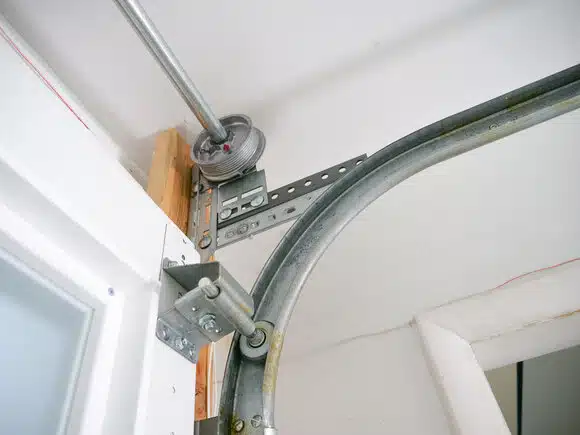
The cable drum sits at the top corner of the door on each side. The cable wraps around it in a specific pattern. When the tension changes or the cable develops slack, it can slip off the drum entirely.
When this happens, the door will not operate correctly. In some cases, it will not move at all. In others, it may move on one side only, creating that uneven appearance mentioned earlier.
What a jumped cable looks like:
- The cable hangs loosely near the top corner of the door
- You can see that it is no longer wrapped around the drum
- The drum itself may appear to have shifted or tilted
This is a garage door repair that should be handled by a professional. Re-wrapping a cable onto a drum requires releasing spring tension, which is extremely dangerous without the proper training and tools.
For guidance on your options once a cable has failed, check out What to Do Immediately When a Garage Door Cable Breaks for step-by-step guidance on what to do next.
The Door Feels Unusually Heavy When Lifted Manually
Most garage doors have a manual release cord, usually a red handle hanging from the opener rail. Pulling it disconnects the door from the opener so you can operate it by hand. Under normal conditions, a properly balanced door should feel relatively easy to lift.
If you disconnect the opener and the door feels extremely heavy or drops immediately when you let go, the cables and springs are not doing their job. This is a clear sign the system is out of balance.
Simple balance test steps:
- Disconnect the opener using the manual release cord
- Lift the door by hand to about waist height
- Let go gently and observe what happens
How Long Do Garage Door Cables Typically Last?
Most garage door cables are built to last several years under normal use. Factors like frequency of use, climate, and garage door maintenance habits all affect how long they hold up. In places like Chandler, AZ, where heat and dust are everyday realities, cables can show wear faster than in milder climates.
Extreme heat causes metal to expand and contract repeatedly, which gradually weakens the steel strands. Dust and debris can work their way into the cable fibers and accelerate rust or corrosion.
Knowing When Is the Right Time to Replace a Garage Door Cable helps you plan ahead instead of waiting for a failure.
General tips to extend cable lifespan:
- Lubricate the cables, drums, and pulleys every six months
- Keep the tracks clean and free of debris
- Schedule an annual professional inspection of the entire system
- Address minor issues like fraying or slack before they become major ones
What You Should and Should Not Do If You Suspect Cable Damage
When you notice any of the signs listed above, your response matters. Acting quickly and correctly can prevent further damage and keep everyone safe.
What you should do:
- Stop using the garage door immediately
- Do a visual inspection from a safe distance
- Note any sounds, movements, or visible damage you observed
- Contact a licensed garage door technician for an assessment
What you should not do:
- Do not try to reattach a slipped or broken cable yourself
- Do not release spring tension without proper training
- Do not continue to operate the door if it is crooked or noisy
- Do not ignore warning signs, hoping the problem will resolve on its own
Take Action Before a Small Problem Becomes a Big One
Catching a failing garage door cable early is one of the best things a homeowner can do. Most of the signs listed here are visible or audible long before a cable fully breaks. The key is knowing what to look for and taking those signs seriously when you spot them.
Regular inspections, proper lubrication, and prompt attention to anything unusual are the simplest ways to extend the life of your cables and avoid an unexpected failure.
When the time comes, and you need a professional to take a look, GT Garage Door Repair in Chandler, AZ, is ready to help. Their team has the experience and tools to inspect, diagnose, and repair cable issues safely and efficiently. Do not wait for a breakdown to make the call. Contact us or give us a call today to schedule your inspection and keep your garage door running the way it should.