A garage door cable does not usually break at a convenient time. It happens when you are heading out in the morning, arriving home after a long day, or in the middle of a busy weekend. When it does, most homeowners are caught off guard and unsure what to do first.
The good news is that a broken cable, while serious, is a manageable situation if you respond correctly. In many cases, fast action and professional garage door cable repair can prevent additional strain on the opener, tracks, and springs. The steps you take in the first few minutes can prevent additional damage to your door, protect your vehicle, and keep everyone in your household safe.
This guide walks you through exactly what to do when a garage door cable breaks, what to avoid, and how to prepare while you wait for a professional.
Stop Using the Garage Door Right Away
The moment you suspect a cable has broken, stop operating the door. Do not try to open or close it again. Do not press the opener button repeatedly, hoping it will correct itself.
When a cable breaks, the door loses the mechanical balance that allows it to move safely. The opener may still run, but it is now pulling or pushing an unbalanced load. This puts enormous strain on the opener motor, the tracks, and the remaining hardware. Continuing to operate the door can turn a single cable repair into a much more expensive problem.
Why stopping immediately protects you:
- Prevents the door from coming off its tracks entirely
- Reduces the risk of the door dropping suddenly onto a vehicle or person
- Protects the opener motor from burning out under an unbalanced load
- Keeps the damage isolated to the cable rather than spreading to other components
If you want to understand what caused the break in the first place, Common Reasons Why Garage Door Cables Fail Over Time covers the root causes in detail.
Keep Everyone Away From the Door
A garage door with a broken cable is unpredictable. Even if it appears to be holding its position, it is no longer mechanically secure. The door could shift, drop, or come off the tracks without warning.
Clear the area immediately. Make sure children, pets, and anyone else in the household understands that the garage door is off-limits until a professional has assessed and repaired it.
Areas to keep clear:
- The space directly under and in front of the door opening
- The garage interior below the door panels
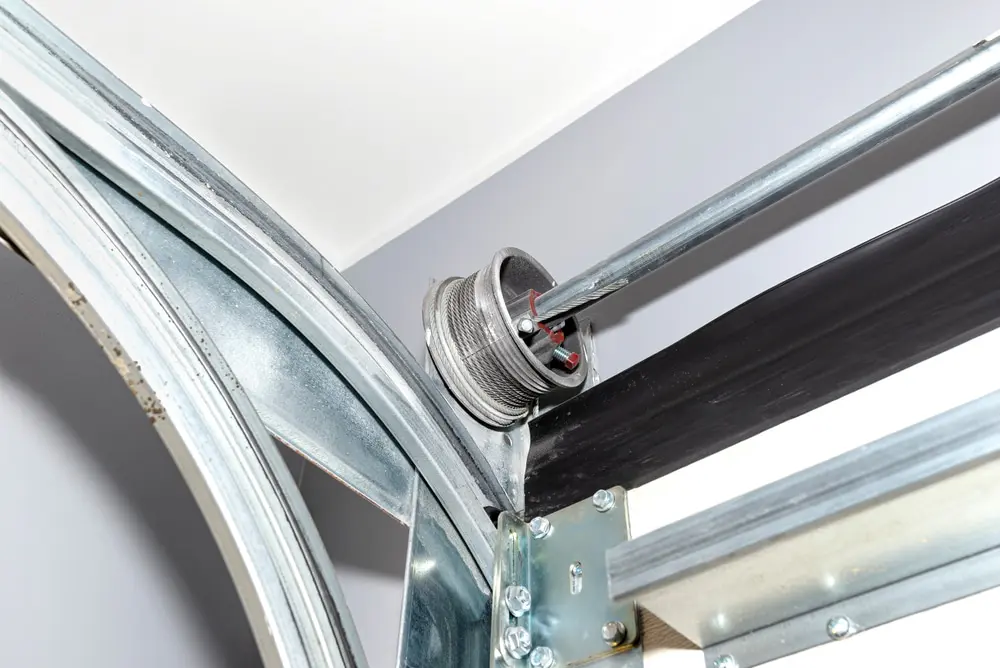
- The area near the bottom brackets and cable drums on each side
- The vehicle is parked inside if the door is partially open above it
Do a Visual Assessment From a Safe Distance
Once everyone is clear, take a moment to observe the door from a safe distance. You are not trying to diagnose or repair anything at this stage. You are gathering information that will be useful when you call a technician.
Things to note during your visual check:
- Which side of the door appears to have the broken or hanging cable
- Whether the door is sitting straight or leaning to one side
- Any visible damage to the tracks, panels, or bottom brackets
- The position of the door, whether fully closed, partially open, or fully open
Use the Emergency Release Only If Necessary
Most garage doors have a red emergency release cord hanging from the opener rail. Pulling it disconnects the door from the opener so it can be moved manually. This is useful if someone is trapped inside the garage or if the door needs to be repositioned for safety.
However, using the emergency release when a cable is broken requires caution. Without the cable providing tension on one side, the door is unbalanced. Lifting it manually could cause it to shift or drop unexpectedly.
When it is appropriate to use the emergency release:
- Someone is physically trapped inside the garage and cannot exit any other way
- The door needs to be secured in a closed position for weather or security reasons
- A technician has instructed you to release it as part of their remote guidance
While you wait for professional help, reviewing garage door safety tips (opens in a new tab) every homeowner should follow can help you make informed decisions about what is and is not safe to do on your own.
Secure the Garage Against Unauthorized Entry
A broken cable often means the door cannot close or lock properly. If the door is stuck in an open or partially open position, your garage and home are vulnerable to unauthorized entry. Addressing this quickly is important, especially if you will be waiting several hours for a repair appointment.
Ways to secure your garage temporarily:
- Lock the door leading from the garage into the home
- Use a padlock or clamp on the track to prevent the door from being raised
- Cover the opening with a tarp or temporary barrier if the weather is a concern
- Alert a neighbor or contact local non-emergency services if you feel unsafe
Call a Licensed Garage Door Technician
Once the immediate situation is under control, contact a professional. Garage door cable repairs are not DIY-friendly. The cables work in conjunction with the spring system, which stores significant mechanical energy. Handling springs without proper training and tools is one of the leading causes of serious injury in home repair situations.
A licensed technician will assess the full system, not just the broken cable. In many cases, a snapped cable reveals other components that are worn and close to failure.
What to tell the technician when you call:
- Whether the door is fully closed, partially open, or fully open
- Which side appears to have the broken cable
- Any unusual sounds you heard before or during the failure
- Whether the door has shown any prior warning signs, such as uneven movement or fraying
If you are unsure what to look for in a technician, this guide on how to find a qualified garage door professional (opens in a new tab) can help you make a confident and informed choice when reaching out for service.
Do Not Attempt to Repair the Cable Yourself
This point deserves its own section because the temptation to handle it independently is understandable. Garage door repairs can feel straightforward at first glance, and there are plenty of videos online that make cable replacement look simple.
The reality is different. Garage door springs operate under extreme tension. A torsion spring that suddenly releases can cause serious injury or worse. Even a partial release of that energy in the wrong direction can cause significant harm to the technician and any bystanders.
Repairs that should always be left to a professional:
- Removing or re-attaching a broken cable
- Re-wrapping a cable onto the drum
- Adjusting or replacing the spring system
- Resetting or replacing bottom brackets under load
Prepare the Area Before the Technician Arrives
While you wait for your appointment, there are a few simple things you can do to make the repair process go smoothly.
How to prepare for the technician’s visit:
- Clear any vehicles, bicycles, or stored items from the repair area
- Make sure the technician will have adequate lighting in the garage
- Locate your garage door opener model number, if possible, usually on a label on the motor unit
- Note any recent changes, such as new panels, a new opener, or recent adjustments
Understand What the Repair Will Involve
Knowing what to expect helps you ask the right questions and make informed decisions when the technician arrives. A cable replacement is not always a standalone repair. The technician will likely assess the entire system to ensure the cable failure has not stressed other components.
What a typical cable repair assessment covers:
- Inspection of both cables, even if only one has broken
- Evaluation of the spring system for wear or damage
- Check of the cable drums for cracks, shifting, or misalignment
- Review of the bottom brackets and anchor points
For guidance on how long cables typically last and when replacement becomes the right call, When Is the Right Time to Replace a Garage Door Cable gives a detailed look at the lifespan and replacement indicators.
Ask About Preventive Measures During the Repair Visit
Once the repair is complete, take a few minutes to speak with the technician about what you can do to extend the life of your new cables. A repair visit is a good opportunity to get professional advice specific to your door system, usage habits, and overall garage door maintenance routine.
Questions worth asking your technician:
- What lubrication schedule do you recommend for this system?
- Are there any other components showing early signs of wear?
- Is the spring system correctly sized for the door’s current weight?
- How often should I schedule professional inspections going forward?
A one-time repair becomes more valuable when it is paired with a maintenance plan that reduces the likelihood of another failure. Most technicians are happy to walk through this during or after the repair.
What Not to Do: A Quick Reference
Knowing what to avoid is just as important as knowing what to do. In stressful situations, it is easy to take actions that feel helpful but make things worse.
Actions to avoid when a cable breaks:
- Do not continue pressing the opener button after the cable has broken
- Do not try to reattach or splice the cable yourself
- Do not prop the door open with objects and leave it unattended
- Do not allow children or pets near the door until it is fully repaired
- Do not delay calling a professional, hoping the door will hold
Reviewing What Are Signs of a Failing Garage Door Cable? after the repair can also help you recognize early warning signs in the future before a full break occurs.
Stay Calm, Act Smart, and Get the Right Help
A broken garage door cable is stressful, but it is a problem with a clear solution. Stop the door, secure the area, make note of what you see, and call a professional. Those four steps cover the most important actions in the first few minutes.
The rest, including the actual repair, is best left to someone with the training and tools to handle it safely. Your role as a homeowner is to respond wisely and quickly, not to attempt a repair that carries real risk.
When you need fast, reliable help in Chandler, AZ, GT Garage Door Repair is ready to respond. Their team handles broken cable repairs with the professionalism and attention to detail that your garage door system deserves. Do not wait for the situation to get worse. Contact us or give us a call today and get your door back to safe, reliable operation as soon as possible.