Learn how to change a garage door cable safely and effectively with our step-by-step guide. Understand key safety tips, tools needed, and expert techniques to get the job done right.
Garage door cables are essential components of your garage door system. They help control the lifting and lowering motion, working in tandem with the torsion or extension springs. Over time, cables can fray, stretch, or snap due to wear and repeated use. If left unchecked, damaged cables can cause operational failure or safety hazards. That’s why knowing how to change a garage door cable is an important skill for homeowners or those managing residential properties.
Understanding how to change a garage door cable properly isn’t just about replacing hardware. It’s about recognizing signs of wear, using the correct tools, and following safe procedures. Cables operate under high tension and can cause injury if mishandled. Professional insight and structured guidance are vital, especially if you’re attempting this as a DIY task.
This guide provides a structured, expert-informed breakdown of how to change a garage door cable. We’ll explain safety protocols, tools you’ll need, step-by-step instructions, and when to call a professional. Whether you want to improve your garage system knowledge or take control of routine maintenance, this guide offers clear and practical information.
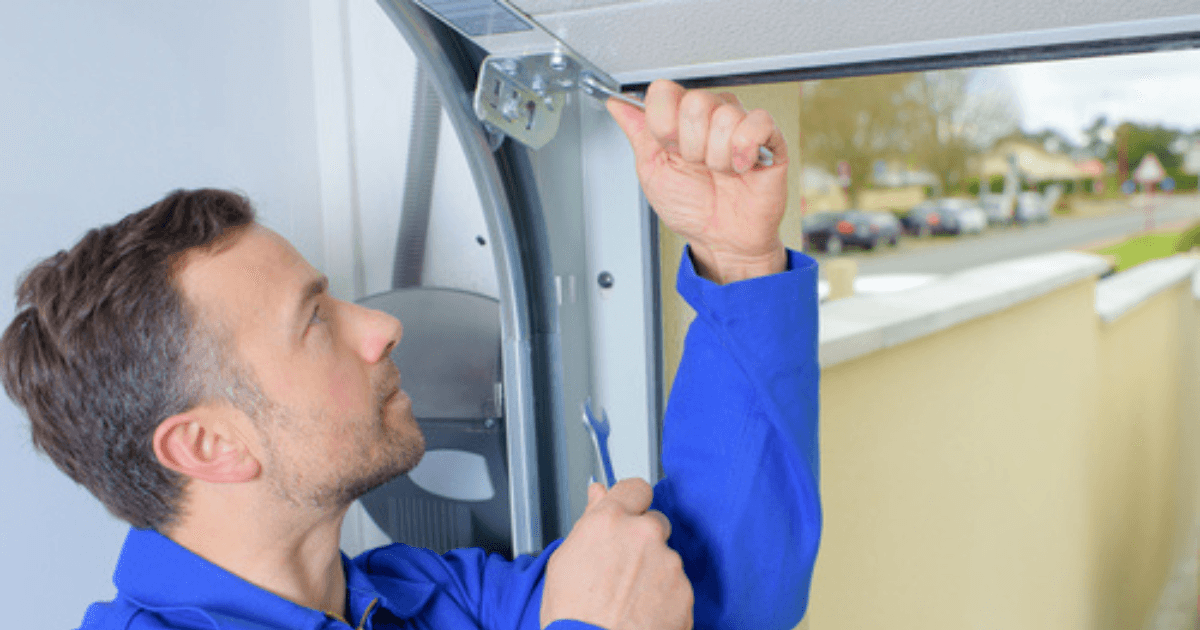
Safety First: What You Must Know Before Changing Garage Door Cables
Replacing garage door cables may seem like a straightforward DIY task, but it’s one of the most dangerous garage door repairs you can attempt without proper knowledge and precautions. Garage door cables are under immense tension as part of a spring system that counterbalances the door’s weight. One wrong move could result in serious injury or costly damage. Here’s what you absolutely need to know before starting.
1. Understand the Tension in Garage Door Systems
Garage door cables are not standalone components—they are intricately connected to either torsion springs (above the door) or extension springs (alongside the horizontal tracks). These springs store a significant amount of energy, and the cables help manage the force as the door opens and closes.
- Why it’s dangerous: If a spring snaps or a cable is released improperly, it can whip violently, causing severe injury.
- What to do first: Disconnect the garage door opener to prevent accidental activation. Clamp the door securely in place using locking pliers or C-clamps on the tracks to prevent it from moving during the repair.
⚠️ Important: If you’re unsure about handling high-tension springs, do not attempt cable replacement yourself. Hire a certified garage door technician.
2. Wear Proper Safety Gear and Use the Right Tools
Safety gear isn’t optional when working with garage door cables—it’s essential.
- Always wear: Heavy-duty work gloves to protect your hands from frayed cables or sharp hardware Safety glasses to shield your eyes from debris or sudden spring movement
- Only use the correct tools: Winding bars (specifically designed for torsion spring adjustment) Sturdy wrenches and pliers Stepladder with a solid footing for stable positioning
❌ Never substitute tools: Avoid using screwdrivers, Allen wrenches, or makeshift bars—they can easily slip or break under pressure, potentially causing accidents.
How to Change Garage Door Cable: Step-by-Step Process
Step 1: Disconnect Power and Secure the Garage Door
Before you do anything, safety should be your top priority.
- Unplug the garage door opener from its power source. This prevents any chance of the opener activating accidentally while you’re working.
- Disengage the opener from the door by pulling the emergency release cord, typically a red handle hanging from the opener trolley.
- Secure the garage door in place using locking pliers or C-clamps. Clamp them tightly on the track just below the bottom rollers to keep the door from shifting or falling during the repair process. This step is crucial to prevent injury or damage.
Step 2: Release Spring Tension (for Torsion Spring Systems)
Garage doors with torsion springs require you to safely release the spring tension before you can replace the cable.
⚠️ Warning: Releasing torsion spring tension is dangerous and should only be done with the proper tools and extreme caution. If you’re unsure or uncomfortable, consider hiring a professional.
- Insert a pair of solid winding bars into the holes of the winding cone on the torsion spring. Never use screwdrivers or other improvised tools.
- Hold one bar firmly in place while slowly turning the cone to insert the second bar. Carefully unwind the spring by turning the bars in a controlled manner, one quarter-turn at a time.
- Make sure to mark the position of the springs, drums, and cable drums with a marker or chalk before removing anything. This helps ensure proper reassembly later.
Step 3: Remove the Old Cable
With the spring tension fully released and the door securely braced:
- Loosen the set screws on the cable drum using a wrench or socket set. Be cautious—the drum may still hold residual tension.
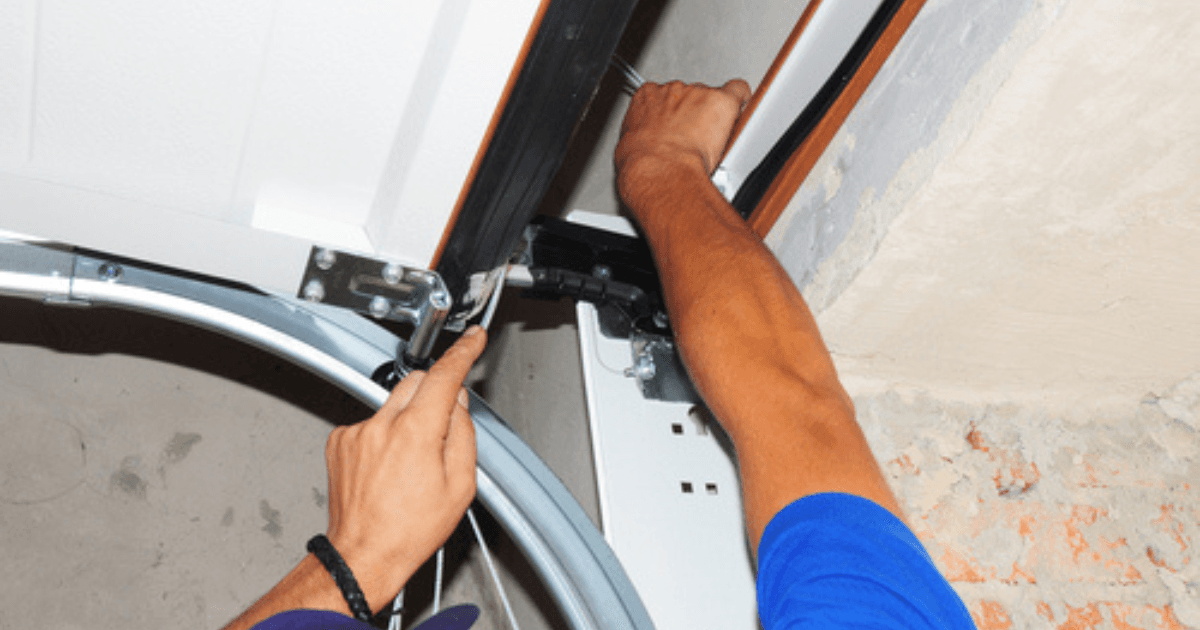
- Unthread the old cable from the drum and detach it from the bottom bracket at the base of the door.
- As you remove the cable, take a moment to inspect the cable drum, bracket, and surrounding hardware for signs of wear, rust, or damage. Replace any components that appear compromised to ensure long-term reliability.
Step 4: Install the New Cable
Now you’re ready to install the new garage door cable.
- Attach the cable to the bottom bracket first, making sure the loop is securely hooked into place.
- Thread the cable upward, guiding it around the cable drum just as the old cable was positioned.
- Be meticulous to ensure the cable sits snugly and evenly in the grooves of the drum.
- Repeat the process on the opposite side of the door, ensuring that the cable lengths are symmetrical and free from slack or twists.
- Keep the cables evenly tensioned on both sides to avoid imbalance, which can lead to future issues like jerky or uneven door operation.
Step 5: Rewind the Torsion Springs and Test the Door
Once the new cables are securely installed:
- Rewind the torsion springs using the winding bars. Carefully apply the correct number of turns based on your specific door model and spring size (this is usually marked on the spring or found in the manufacturer’s specifications).
- Tighten the set screws on the cable drums to hold the cables in place.
- Once the springs are tensioned and all hardware is secure, remove the locking pliers or clamps from the tracks.
- Re-engage the garage door opener by reconnecting the emergency release cord and plugging the opener back in.
- Slowly, manually lift and lower the door to test its movement. It should open and close smoothly without resistance, jerking, or sagging.
- If the door is unbalanced or sticks, recheck the cable alignment and tension. Misalignment can cause the door to bind or become dangerous to operate.
When to Call a Professional for Garage Door Cable Replacement
Changing garage door cables is not recommended for everyone. If you’re unsure about any step or notice damage to the spring system, it’s best to consult an expert. Professionals have the tools and experience to perform this service safely and efficiently. In some cases, what appears to be a cable issue could also involve springs, drums, or opener malfunctions.
Hiring a professional ensures that all aspects of the system are inspected and repaired properly. It also minimizes your risk of injury and reduces long-term maintenance costs. If you’re not confident about how to change a garage door cable or lack the proper tools, seek assistance from a qualified technician.
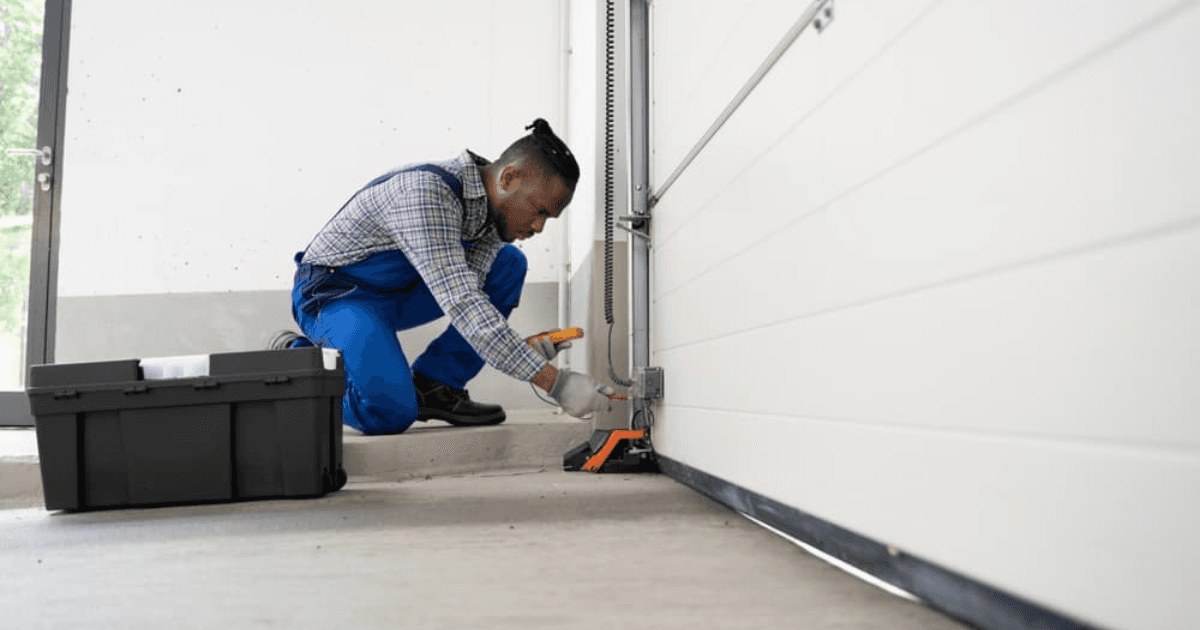
Maintenance Tips After Cable Replacement
Lubricate Moving Parts Regularly
After installing new cables, apply a silicone-based lubricant to rollers, hinges, and springs. This reduces friction and extends the life of your garage door components.
Perform Monthly Balance Tests
Check your garage door’s balance monthly by lifting it halfway and then releasing it. If it stays in place, the system is balanced. If it falls or rises, the cables or springs may need to be adjusted.
Listen for Unusual Sounds
Grinding or clicking sounds during operation may indicate uneven tension or misalignment. Inspect cables, drums, and springs to catch minor issues before they lead to larger problems.
Frequently Asked Questions
How do I know if my garage door cable is broken?
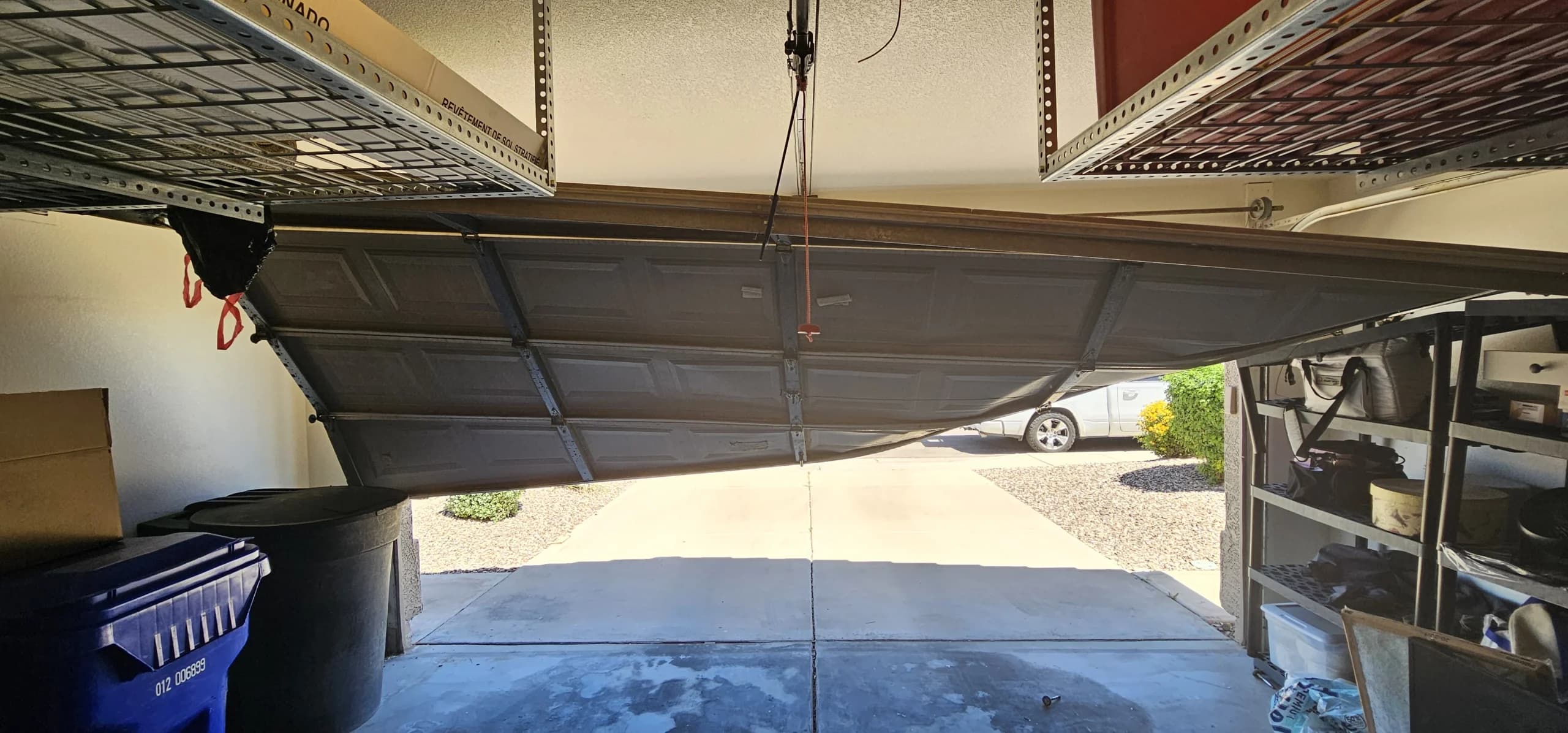
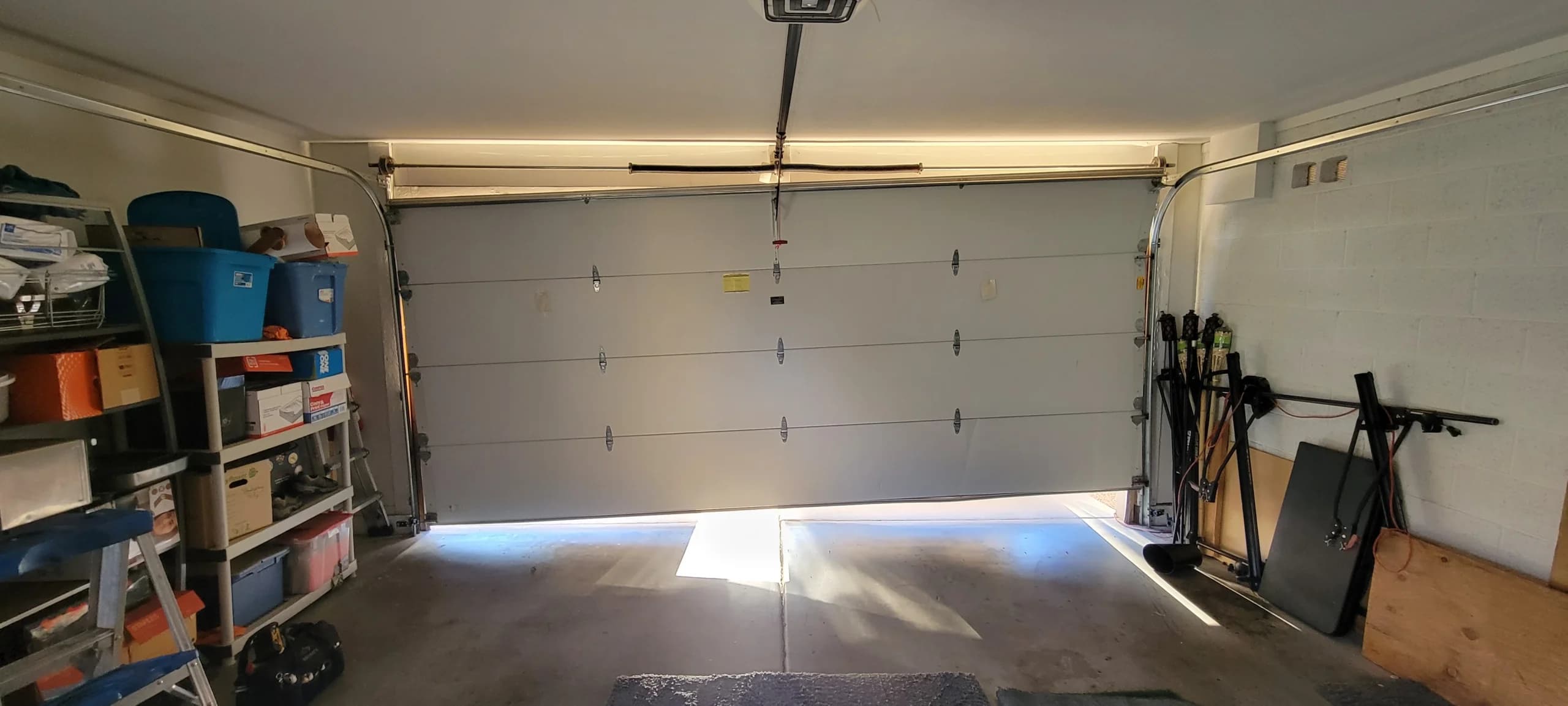
If your garage door lifts unevenly, hangs at an angle, or refuses to open, you may have a broken cable. Inspect both sides of the door for visible frays or slack cables.
Is it safe to replace a garage door cable by myself?
Garage door cable replacement can be dangerous due to the spring tension involved. If you lack experience or proper tools, it’s safer to hire a professional.
How much does it cost to change a garage door cable?
DIY replacement parts may cost $15 to $40, while professional service typically ranges from $120 to $200 depending on the complexity and region.
How long does it take to change garage door cables?
A skilled professional can complete the job in about 1 to 2 hours. DIY repairs may take longer depending on your familiarity with garage door systems.
Can I use any cable for garage doors?
No. Always use cables specifically designed for your garage door model and spring type. Using the wrong cable can lead to failure and unsafe operation.
Conclusion
Understanding how to change garage door cable is a valuable skill but requires precision, knowledge, and respect for safety procedures. If performed incorrectly, it can lead to damage or injury. This guide is designed to offer clear steps and safety considerations to help you decide whether a DIY approach or professional help is appropriate.
From securing the door and releasing spring tension to aligning and installing new cables, each step must be done with care. Incorrect cable placement or tension can cause ongoing operational issues. Always double-check your work and test the door’s movement before restoring full function.
If you’re uncertain about any step, contacting a trusted service provider like GT Garage Door Repair ensures a job done right. Our experienced team offers cable replacement services that prioritize safety, reliability, and long-term system performance.
End Note
GT Garage Door Repair is committed to delivering high-quality work that not only meets but exceeds expectations. Our technicians take pride in their craft, ensuring that each repair, installation, or service is done correctly the first time.
If you need specialized help, we offer garage door cable repair and full-service solutions for garage doors. Get to know our team and values on our About Us page.
We proudly serve the community with local garage door repair services in Chandler and expert repairs in Sun Lakes. For more guidance, explore our FAQs, read our reviews, or visit our blog for the latest updates. Stay connected with us on Facebook (opens in a new tab) or Yelp (opens in a new tab). To schedule a service or ask a question, contact us through our contact page. GT Garage Door Repair Chandler, AZ 85225 (602) 680-9700