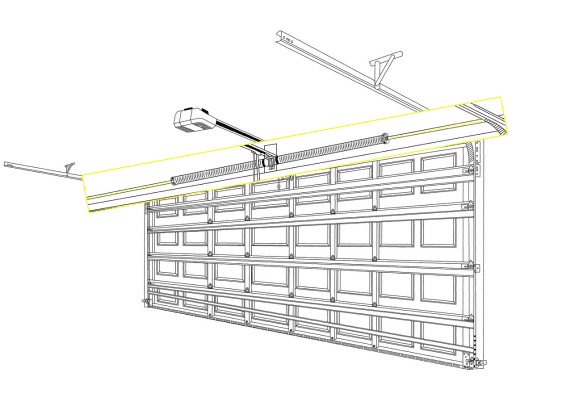
Explore the anatomy of garage door systems and discover how each part works together to open and close your garage smoothly and safely.
Understanding the anatomy of a garage door is essential for any homeowner or property manager. Whether you’re troubleshooting a malfunction, upgrading a part, or scheduling maintenance, knowing what goes into a garage door system empowers you to make informed decisions. With multiple components working in sync, even one faulty piece can disrupt your entire system.
A typical garage door system includes several parts that all play specific roles in operation, balance, security, and convenience. From torsion springs and rollers to cables and openers, each component serves a vital purpose.
When you know how these parts function, it’s easier to spot problems early and explain issues to a repair technician. This guide gives a simple breakdown of each part, so you can better understand what’s going on behind the door you use every day.
Key Components: Exploring the Parts of a Garage Door System
A garage door system is more than just a moving panel. It’s a collection of interdependent parts that work together to allow smooth opening and closing. Below is a detailed overview of the major parts of a garage door system.
Garage Door Panels
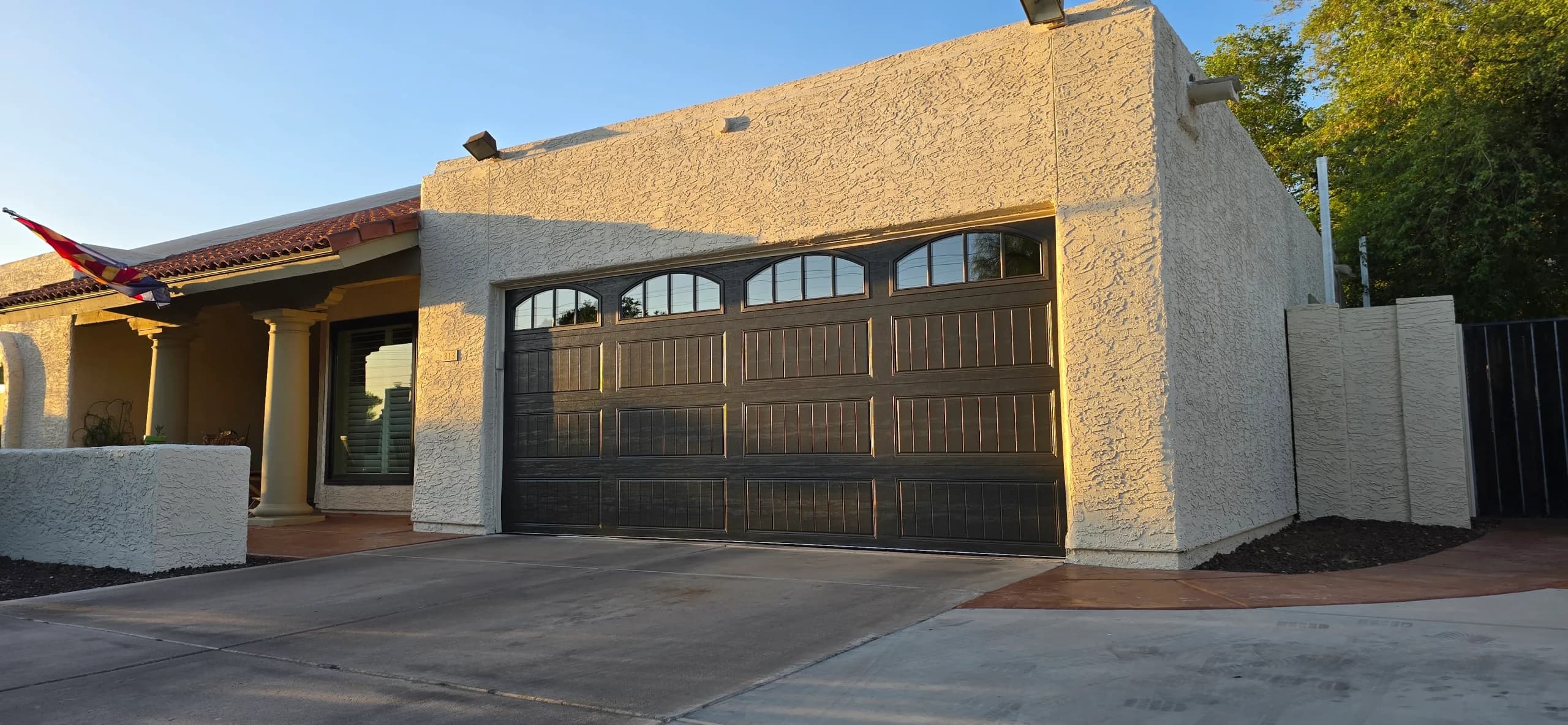
The panels are the most visible part of your garage door. They come in different styles and materials such as wood, steel, or aluminum. These panels are connected by hinges and held together by a frame, allowing the door to bend along the tracks.
Torsion and Extension Springs
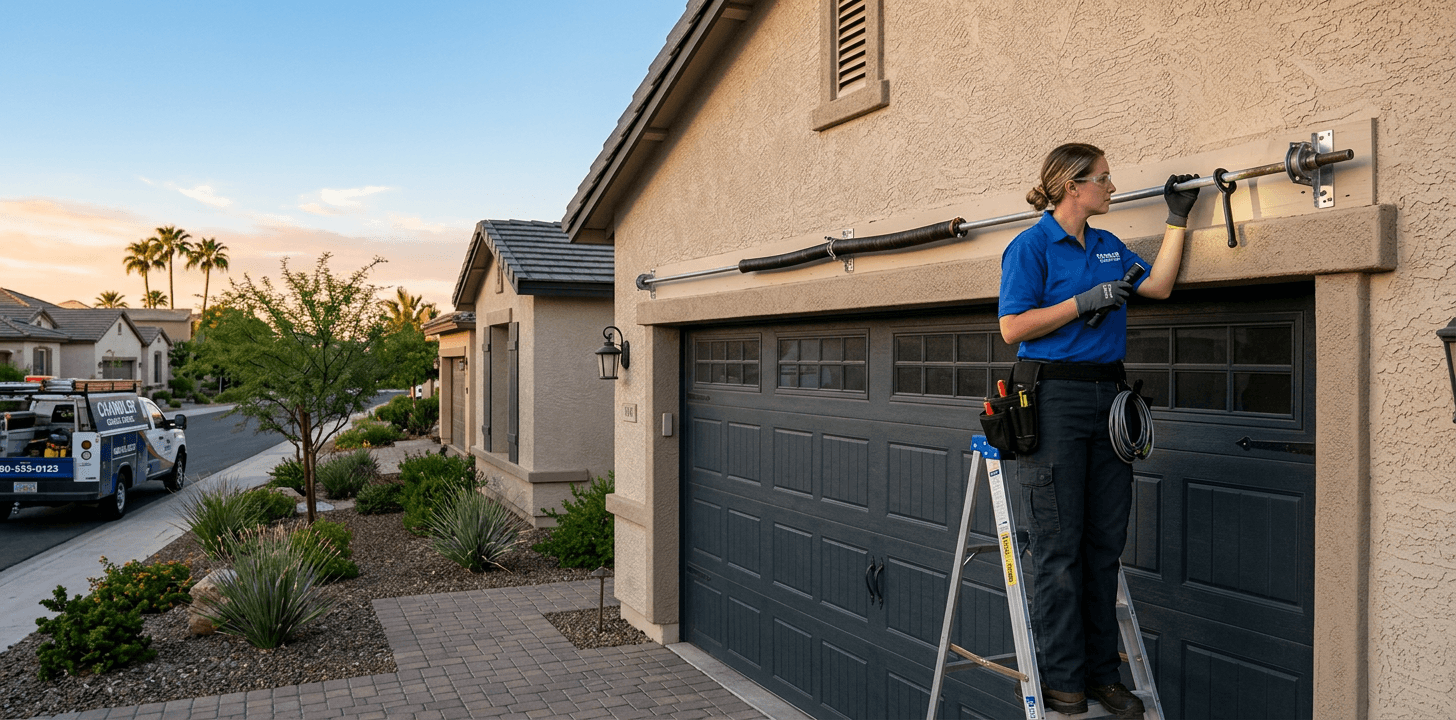
Torsion springs are mounted above the door and help lift the door by offsetting its weight. Extension springs, on the other hand, run along the sides of the tracks. These parts are under high tension and play a critical role in the door’s movement.
Tracks and Rollers
Tracks guide the door as it opens and closes. They are usually made of galvanized steel and must remain aligned. Rollers run inside these tracks and can be made of plastic, steel, or nylon. Smooth rollers are key for quiet and efficient operation.
Cables and Drums
Cables attach to the bottom brackets on both sides of the door. As the torsion spring unwinds, it turns the drums and lifts the cables, raising the door. These parts must stay in sync to ensure balance and safety.
Hinges and Brackets
Hinges connect each garage door panel, allowing flexibility when the door bends on the track. Brackets hold the door and rollers in place. Wear and tear on these components can lead to uneven operation or increased noise.
Garage Door Opener
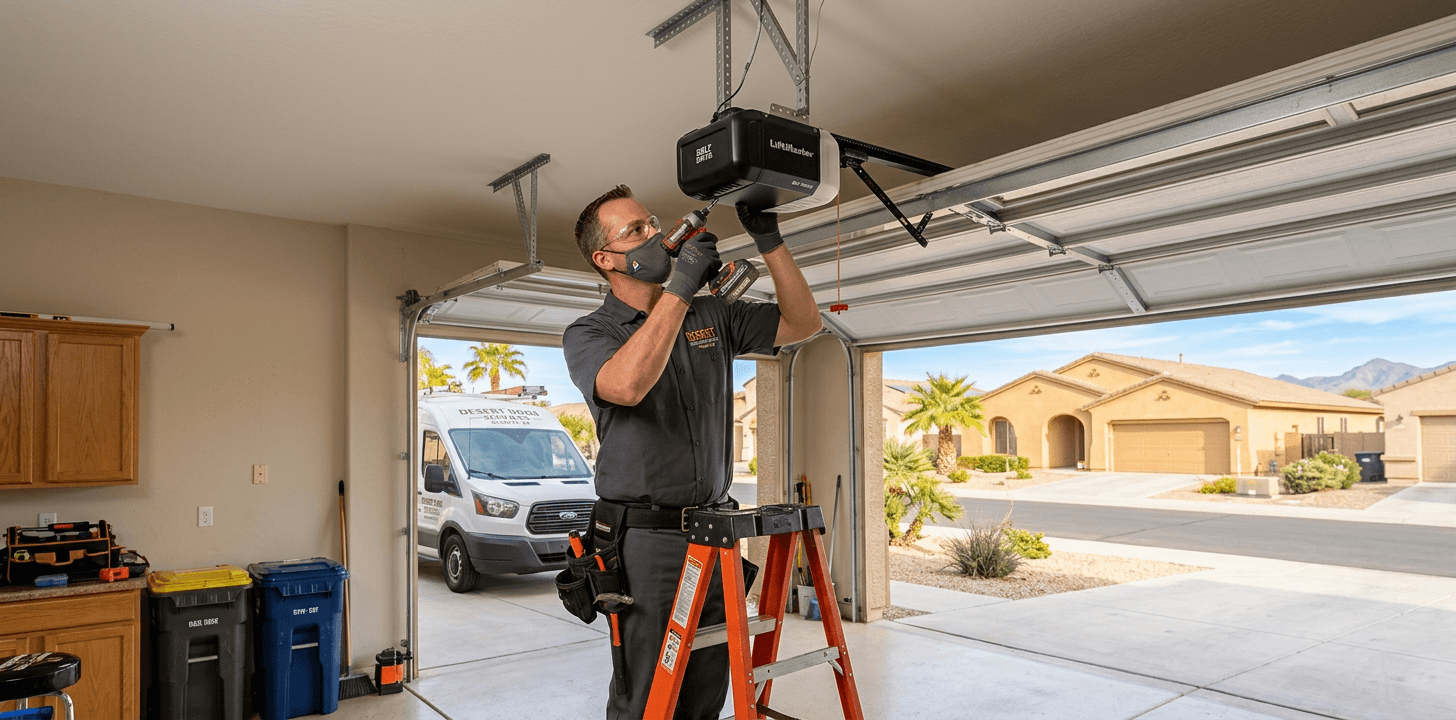
The garage door opener is the motorized device that automates the door’s movement. It includes a drive system, remote control, and wall unit. Advanced models also feature Wi-Fi connectivity and backup batteries.
Weather Seals
These rubber or vinyl seals are installed on the sides, top, and bottom of the door. They help maintain indoor temperature, reduce energy costs, and prevent water or pests from entering.
Comparison Table: Torsion Springs vs. Extension Springs
Selecting the right garage door spring system is crucial for achieving long-term performance, safety, and reliability. This comparison table highlights the key differences between torsion springs and extension springs, two of the most commonly used types of garage door springs. Learn about their location, lifespan, operation, and safety to help you decide which option is best for your garage door setup.
| Feature | Torsion Springs | Extension Springs |
|---|---|---|
| Location | Mounted above the door opening | Located along the sides of the door |
| Lifespan | 15,000 to 20,000 cycles | 5,000 to 10,000 cycles |
| Operation | Torque-based, turns the shaft to lift the door | Stretches and contracts to lift the door |
| Safety | More durable and safer under stress | More prone to snapping under tension |
| Maintenance | Easier to balance and service | Requires additional safety cables |
Why Knowing the Parts of a Garage Door System Matters
Whether you’re a homeowner performing routine maintenance or someone looking to upgrade their garage setup, having a basic understanding of your garage door system’s components can be incredibly valuable. Here’s why familiarizing yourself with these parts is important:
1. Spotting Early Signs of Wear and Tear
A garage door is made up of several moving parts that all work together to open and close the door smoothly. When one component starts to wear out—like a fraying cable, loose hinge, or squeaky roller—it can affect the entire system. Recognizing the signs of wear early allows you to address small issues before they turn into costly repairs or full system failures. For example, identifying a weakening spring or bent track can prevent accidents or emergency breakdowns.
2. Making Informed, Cost-Effective Repair Decisions
When you know how your garage door system functions, you’re better equipped to make smart financial decisions about repairs. Instead of replacing the entire opener because the door isn’t closing properly, you might discover that adjusting the limit settings or replacing a worn sensor is all that’s needed. Understanding what each part does also helps you avoid being overcharged or upsold on unnecessary services.
3. Enhancing Garage Safety
Garage doors are heavy and under a lot of tension, especially with components like springs and cables. Misuse or neglect can pose serious safety risks. When you’re familiar with which parts are under high tension or which areas should never be manually adjusted without the right tools or training, you’ll know when to call in a professional —keeping yourself and your family safe.
4. Improving Communication with Service Technicians
If something goes wrong and you need to call a garage door technician, being able to clearly describe the problem and identify specific parts (like torsion springs, photo-eye sensors, or the opener’s logic board) will make troubleshooting faster and more accurate. This can lead to quicker repairs and potentially lower service costs, since the technician will be better prepared before they even arrive.
5. Choosing the Right Upgrades
If you’re planning to upgrade your garage door system for quieter operation, enhanced security, or smart features, understanding the roles of key components—like the drive system (belt vs. chain), insulation panels, or smart openers with Wi-Fi connectivity—will help you select the right products for your needs. You’ll be more confident in your purchases and more satisfied with the final results.
Frequently Asked Questions
What is the anatomy of a garage door?
The anatomy of a garage door includes panels, springs, rollers, tracks, cables, an opener, hinges, and weather seals. Each part plays a specific role in the smooth and safe operation of the door.
What are the parts of a garage door system?
The key parts of a garage door system are torsion or extension springs, rollers, tracks, cables, panels, opener motor, hinges, brackets, and weather seals.
How can I tell if my garage door springs are bad?
If your garage door is heavy to lift manually, makes loud noises, or doesn’t open smoothly, the springs may be worn out or broken. A visual inspection may show gaps in torsion springs or overstretched extension springs.
What causes garage door cables to snap?
Garage door cables can snap due to corrosion, wear over time, poor maintenance, or incorrect tension from faulty springs or off-track rollers.
How often should garage door parts be serviced?
It’s recommended to have your garage door system inspected and maintained at least once a year. High-use systems may require more frequent checks.
Conclusion
Garage doors may seem simple on the outside, but the system behind their functionality involves numerous interconnected parts. Understanding the anatomy of garage door components enhances your ability to identify issues, plan maintenance, and make informed repair decisions.
Whether it’s a broken cable, worn rollers, or a misaligned track, recognizing how each part functions gives you peace of mind and a greater sense of control. With proper knowledge, you can improve the safety, lifespan, and performance of your garage door system.
For expert assistance, contact GT Garage Door Repair. We offer professional services for all components of a garage door system, ensuring your door operates as intended.
End Note
GT Garage Door Repair is your local expert for reliable, honest, and professional garage door services. We specialize in repairing and replacing all garage door components, including torsion springs, off-track doors, garage door rollers, garage cables, and more.
We also provide expert support for garage remote controls, complete garage door installations, and helpful answers on our FAQs page. You can explore our reviews to see what our customers are saying, and learn more about us and our coverage areas, including Chandler and Gilbert.
Our blog is also an excellent resource for tips and guides like this. For any service needs, contact us through our contact page, Facebook (opens in a new tab), or Yelp (opens in a new tab). We always provide a free estimate and back our work with some of the best warranties in the industry.
Choose GT Garage Door Repair for prompt service, knowledgeable technicians, and quality you can trust.