
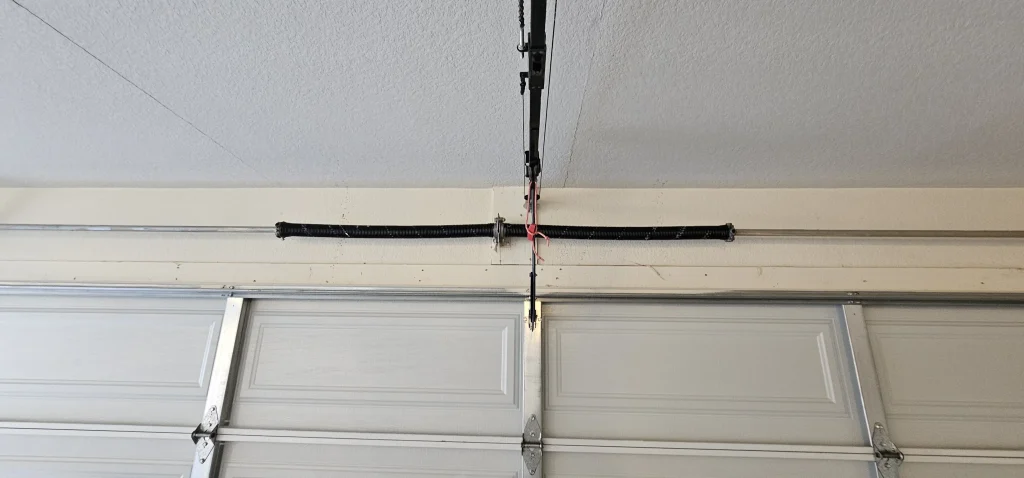
A stuck garage door manual release can keep your door locked to the opener when you need manual access most, especially during a power outage or sudden equipment failure. Because this problem often involves spring tension, trolley load, or hardware binding, professional garage door repair is usually the safest way to restore normal operation without creating safety risks.
In Chandler, AZ, high heat, frequent cycling, and worn lift parts can increase strain on the release assembly, making the mechanism harder to move. This guide explains the most common reasons the release gets stuck, what to do next, and when expert service is needed to protect your garage door system and restore reliable access.
Why Does a Garage Door Manual Release Get Stuck?
A stuck garage door manual release usually means the door or opener connection is under abnormal tension, binding, or load, so forcing the handle can push stress into the lift and opener parts that are not designed to carry it and increase safety risk.
Common reasons the release stops moving normally include:
- The door’s weight is no longer balanced because the counterbalance system is not evenly supporting the load.
- A worn or broken spring shifts the tension to the release connection, preventing smooth disconnect travel.
- The opener carriage is loaded against the rail, keeping the latch from moving freely at the attachment point.
- Track misalignment or binding rollers hold resistance in the door path, keeping tension locked in the release mechanism.
- Wear inside the red handle latch area limits travel and prevents clean separation from the garage door opener carriage.
To understand safe timing and warning signs, read our guide on How to Use the Garage Door Manual Release Safely, which explains the key checks professionals use before disengaging the door.
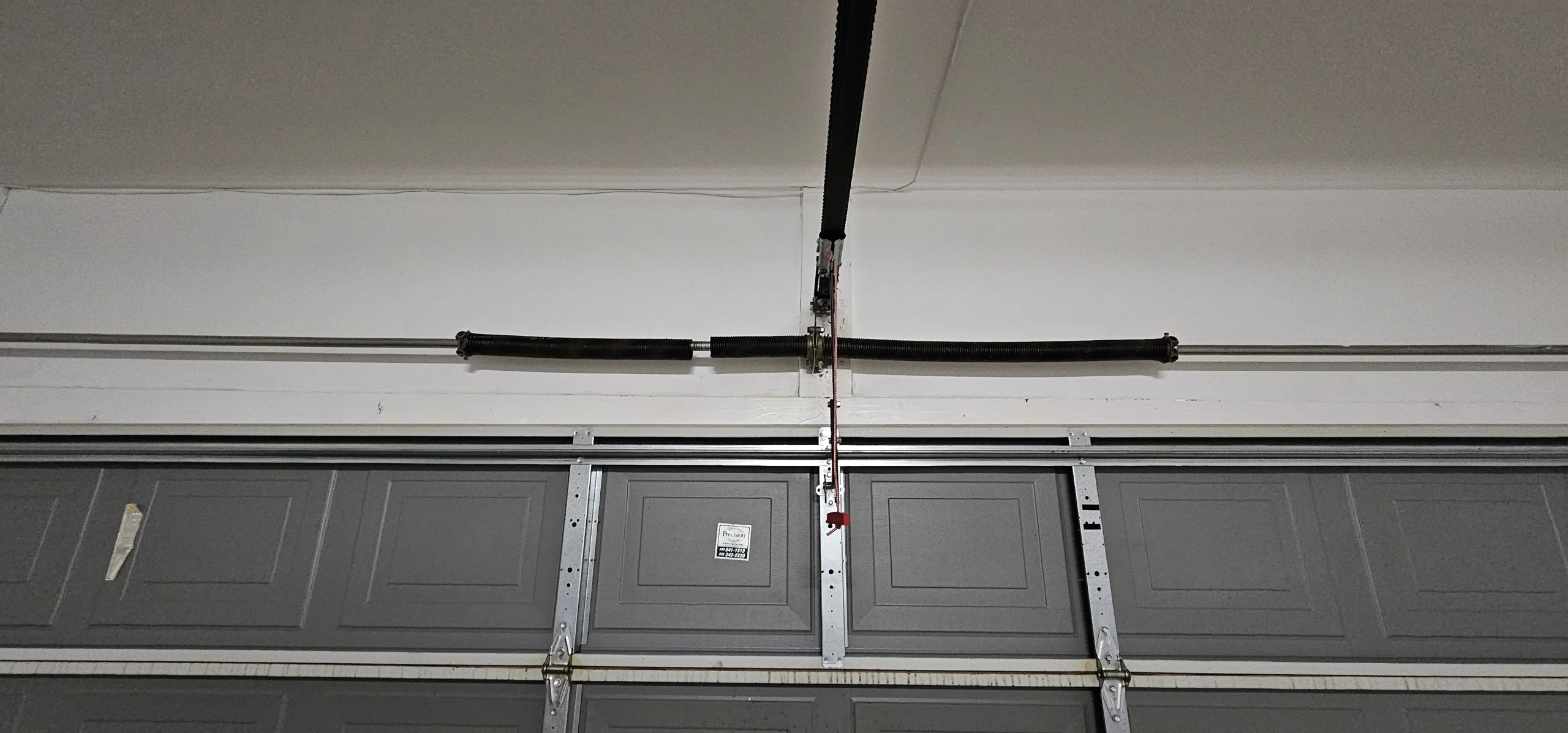
What to Do When the Manual Garage Door Release Is Stuck
Stop Operation and Secure the Area First
Pause all door activity immediately if a manual release is stuck, as it can signal trapped tension and increased safety hazards.
Begin with these simple safety steps:
- Stop pressing the wall control or remote.
- Keep children and pets away from the garage door opening.
- Leave the door in its current position if it is not moving.
- Avoid standing directly under the door.
- Use another entry door if you need to access your home.
Creating a stable environment before taking any further action reduces the risk of sudden door movement and protects everyone nearby.
Check the Door Position Before Touching the Release
Confirm the garage door is in a stable position because attempting to pull the release cord while the door is under load can increase strain on the release mechanism.
Carefully review the following conditions:
- Make sure the door is fully closed if possible.
- Check whether the door appears crooked along the garage door track.
- Check whether one side hangs lower than the other.
- Notice if the door feels unusually heavy.
- Listen for grinding or tension sounds from the opener carriage.
Understanding the door’s weight and alignment helps you decide whether it is safe to proceed or whether professional garage door repair is needed.
Apply Gentle Pressure to the Emergency Release Cord
Test the red handle carefully, as resistance often indicates tension in the emergency release mechanism rather than a simple stuck handle.
Follow these controlled actions:
- Pull the red cord slowly without jerking it.
- Stop immediately if you feel strong resistance.
- Avoid repeatedly pulling the emergency cord.
- Keep your body clear of the door path while testing.
- Release the handle if it does not move smoothly.
Applying light pressure only once prevents damage to the garage door opener carriage and reduces the risk of forcing the manual release under load.
Check for an Engaged Manual Lock or Obstruction
Verify that no physical lock or blockage is preventing movement, as a manual lock or debris can make the manual release appear stuck.
Take a moment to check for these issues:
- Confirm the manual locking system is not engaged.
- Inspect the center of the door for visible lock bars.
- Look for objects resting against the garage door.
- Check the track area for debris or obstructions.
- Ensure the door panels are aligned evenly.
Eliminating simple external interference helps determine whether the problem is mechanical tension or a minor blockage.
Contact Professional Garage Door Repair Services
Arrange a professional inspection if the release remains stuck due to internal tension, a broken spring, or carriage strain, as expert assistance may be required.
Before calling, gather helpful details such as:
- When the problem started.
- Whether a recent power outage occurred.
- Any loud click or snapping sound you heard.
- Whether the automatic opener still responds.
- The current door position.
Accurate details help pinpoint spring load, opener strain, or door binding, making emergency garage door repair services the most reliable option when the release will not disengage.
Common Causes Behind a Stuck Garage Door Emergency Release
A stuck garage door emergency release often points to tension, binding, or wear that prevents the disconnect from moving freely, so identifying the underlying cause helps homeowners avoid forcing the release and escalating the problem.
The most common reasons a garage door emergency release gets stuck include:
- Spring tension imbalance that locks the release under load
- The opener carriage pressure prevents the latch from disengaging cleanly
- Track or roller binding that traps resistance in the door path
- An engaged manual lock that keeps the system loaded even when the opener runs
- Worn release hardware that limits travel and causes partial disengagement
To understand how heavy-door behavior and unstable lift support can rapidly increase safety risk, read our blog on Is It Safe to Manually Open a Garage Door?, which explains the clearest warning signs homeowners notice before manual handling becomes unsafe.
Clopay explains that obstructions, sensor alignment issues, spring failure, and opener problems can create binding that prevents the release hardware from moving normally.
Signs the Release Is Stuck Due to a Bigger Issue
A stuck emergency release cord often signals trapped tension or binding in the garage door system, not just a jammed handle.
Key warning signs homeowners often notice include:
- The door feels unusually heavy, suggesting the full weight of the garage door is no longer supported correctly
- The door sits crooked or shifts in the garage door track, which can trap resistance in the lift path
- Movement includes grinding, jerking, or a hard stop, showing binding that loads the disconnect point
- The opener strains, stalls, or stops early, indicating abnormal resistance near the opener carriage
- The release cord resists movement even with gentle pressure, suggesting tension is locked into the emergency release mechanism
Heavy lift, crooked travel, or repetitive strain often points to lost counterbalance control, which is why torsion spring repair is frequently needed before manual handling is considered safe.
What Technicians Check When the Release Won’t Move
Inspection focuses on tension, carriage pressure, and lift-path binding, as a stuck garage door manual release often points to a broader system issue.
Inspection points typically include:
- Release mechanism, travel range, and latch condition to confirm full disengagement movement
- Opener carriage alignment and connection at the attachment point along the opener track
- Spring balance and cable tension to verify proper support of the door’s weight
- Track positioning and roller movement to detect binding or side-load pressure
- Opener force settings and garage door motor strain signals during controlled testing
- Manual locking system position and hardware stability around the center of the door
When inspection confirms uneven lift or tension loss, keeping the disconnect loaded, garage door cable repair may be required to restore stable movement and prevent the release from sticking again.
When a Garage Door Emergency Release Kit Is Needed
Outside access becomes a priority when the opener cannot run, and the garage has no other entry during a power outage.
Situations that often call for a kit include:
- No side door access, leaving the garage as the only entry point
- Lockout risk when the opener will not respond, and the door must be disconnected from the outside
- Missing exterior keyed release hardware on a door that relies on an automatic opener
- Damaged or unreliable outside release setup that no longer works when needed
- New door or opener changes that require a compatible exterior disconnect option
Chamberlain Group guidance notes that an exterior emergency release kit allows the opener to be disengaged from outside during a power outage.
How to Prevent a Stuck Release From Returning
Repeat stuck-release problems, which usually stem from ongoing tension, binding, or an unstable opener connection, so prevention focuses on keeping the system balanced and moving smoothly.
Practical prevention habits for homeowners include:
- Schedule regular maintenance so that lift hardware, rollers, and the opener connection are inspected before wear creates binding
- Keep the door area clear so stored items or debris do not interfere with travel or add resistance
- Watch for early warning signs like heavy lifting, crooked travel, or new noises, and stop the operation before the strain escalates
- Confirm the manual lock is fully disengaged before running the opener to prevent the load from staying trapped at the connection
- Plan ahead for power outage access so manual operation is only used when the door is stable and safe to handle
To understand how proper reconnection protects the opener carriage and prevents repeat-release problems, read our blog on How to Reengage a Garage Door After Manually Opening?, which explains what proper reengagement should achieve for safe, stable operation.
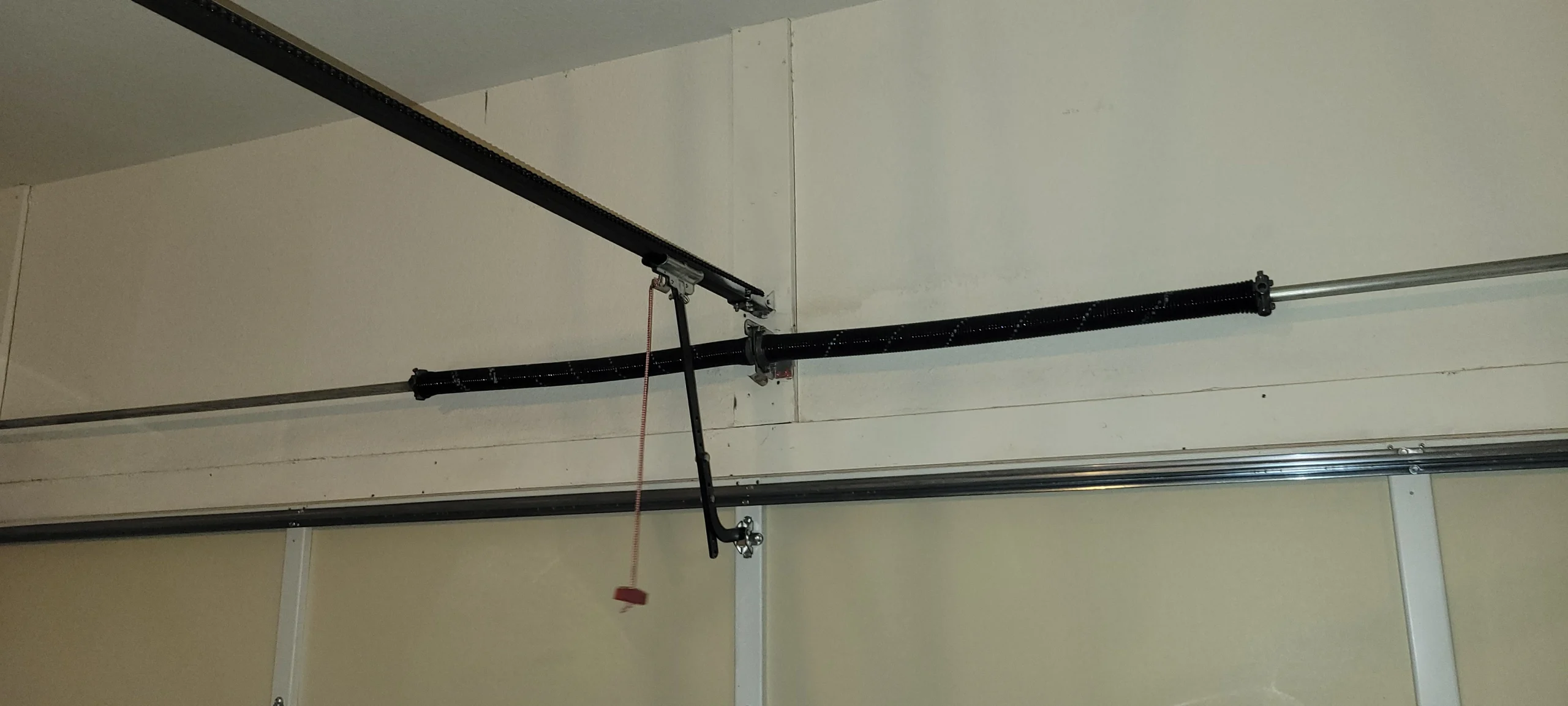
Get Your Stuck Garage Door Manual Release Working Safely Again
A stuck garage door manual release is more than a minor inconvenience, as it can signal a tension imbalance, mechanical wear, or instability in the garage door system. Fast attention protects garage door safety and helps prevent bigger garage door repair needs.
GT Garage Door Repair provides trusted garage door services in Chandler, AZ, with expert diagnostics and professional repair that restore safe, reliable access. When the release system is stuck or unreliable, contact us or give us a call today to schedule service with a local technician.