
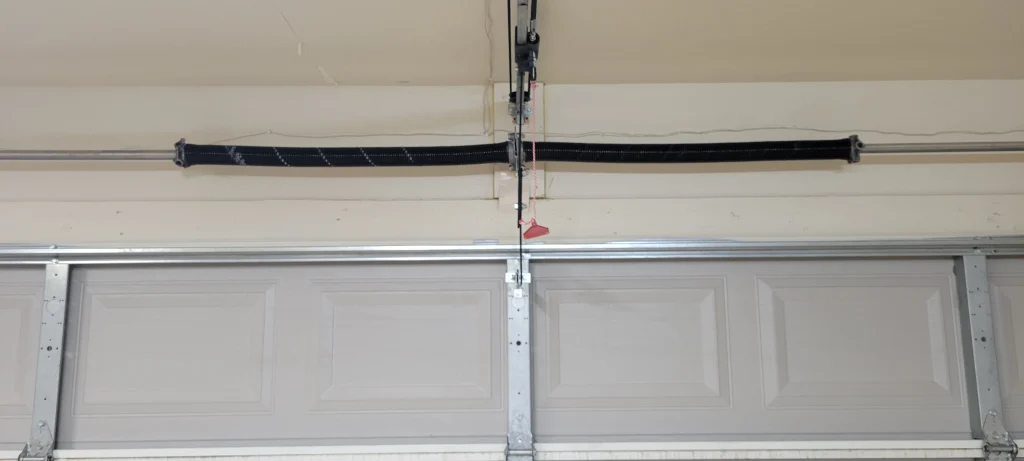
The garage door manual release is a built-in safety feature that lets you disconnect the opener and lift the door by hand during a power outage or if the opener fails. Using it correctly keeps the door stable, protects your hands and fingers, and reduces the risk of unnecessary garage door repair from forcing a stuck or unbalanced system.
In Chandler, AZ, heat, dust, and daily cycling can wear down key parts like springs, rollers, and tracks, making manual operation riskier when problems arise. This guide explains how to use the manual release safely, how to reset the system afterward, and when to stop and call a professional to avoid bigger damage.
Is It Safe to Open a Garage Door by Hand?
Opening a garage door manually can be safe when the manual release is used on a properly balanced system, but worn springs, cable slack, or track resistance can shift the door’s weight unexpectedly, creating a real safety risk.
Common factors that determine whether manual lifting is safe include:
- A door balance that allows controlled lifting without sudden drop pressure.
- A spring condition that still supports smooth movement instead of dead weight.
- Cable-and-drum stability that keeps both sides lifting at the same speed.
- Track and roller movement that prevents binding, jerking, or side-load strain.
- Opener disengagement fully separates the trolley before you lift the door.
To understand how these safety factors connect to real failure patterns and which warning signs matter most, read our guide on Is It Safe to Manually Open a Garage Door?, which explains what homeowners should verify before lifting by hand.
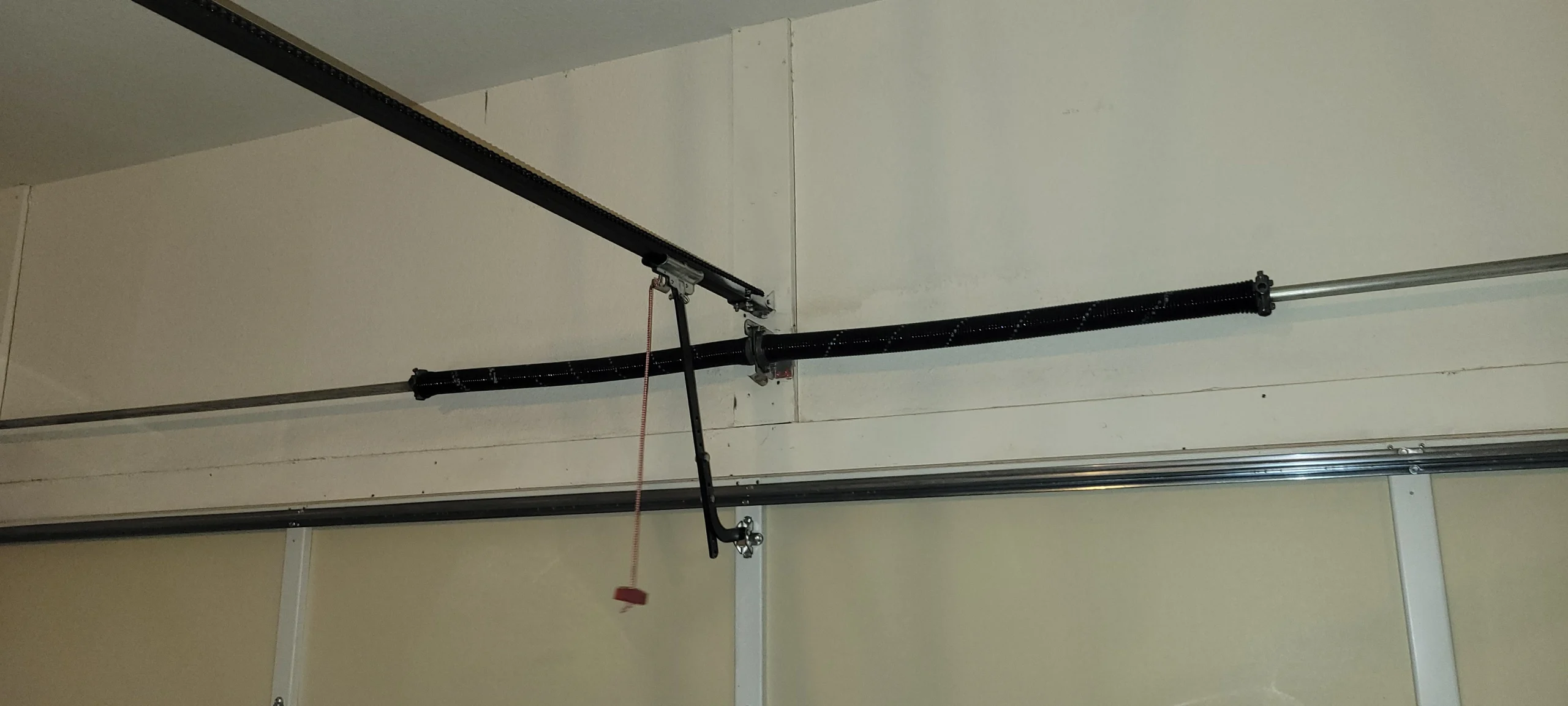
How to Safely Use the Garage Door Manual Release
Prepare the Area and Secure the Door Path
Manual release use is safer when the space is clear, and the door path is controlled before you touch the cord.
Set up the space using quick safety moves:
- Move vehicles and stored items away from the door’s travel path.
- Keep kids and pets out of the garage until the door is stable again.
- Turn on overhead lighting so the release area is easy to see.
- Stand to the side of the door, so hands and feet stay away from pinch points.
- Keep a step stool nearby only if needed for safe access to the cord.
Clear space and stable footing help prevent sudden door shifts and keep manual lifting safer and more controlled.
Disconnect Power and Confirm the Opener Is Not Moving
Power should be shut off, and motion should fully stop before using the manual release so the opener cannot restart mid-step.
Confirm the system is safe to disengage by checking the following:
- Unplug the opener or switch off the breaker if power is still available.
- Verify the wall control does not start the motor when pressed.
- Wait until the trolley and belt or chain are completely still.
- Check that the door is not traveling up or down when you approach the cord.
- Pause if grinding or straining noises suggest a hardware problem.
Cutting power first helps prevent sudden movement, and checking the garage remote control response can confirm the opener is not receiving an accidental command before you disengage the trolley.
Locate the Red Cord and Pull Straight Down
The manual release cord is usually a red handle hanging from the trolley, and a controlled straight-down pull is the safest way to disengage it.
Use a clear pull sequence to avoid misfires:
- Find the red handle hanging from the trolley on the center rail.
- Stand with a stable footing and keep your face away from the rail line.
- Pull straight down in one firm motion until the release arm drops.
- Listen for a distinct click that signals the trolley has disengaged.
- Confirm the carriage is separated before attempting to lift the door.
Chamberlain Group explains that pulling the red emergency release cord disengages the trolley for manual lifting and stresses that it should be used only when the door is fully closed.
Lift the Door Carefully Using Both Hands
Once the opener is disconnected, the door must be lifted evenly, as track friction or a weak spring can make it feel heavier than expected.
Lift with controlled handling to avoid strain and sudden drop:
- Grip the door with both hands near the center for balanced control.
- Raise slowly and stop early if the door feels unusually heavy.
- Watch both sides to confirm the door rises at the same speed.
- Keep fingers away from hinges and panel joints to prevent pinching.
- Hold the door steady rather than jerking upward if resistance appears.
According to LiftMaster, a balanced door should lift smoothly and hold when raised partway, while a door that slams shut or shoots upward signals imbalance and needs professional service.
Keep the Door Open Safely or Close It Under Control
After lifting, the safest approach is to maintain control of the door’s position so gravity does not take over during closing.
Stabilize the door position with practical safety habits:
- Raise the door fully only if it moves smoothly and stays in place.
- Use locking pliers or a clamp on the track to help prevent sliding.
- Lower the door slowly with both hands if closing is necessary.
- Stop immediately if the door accelerates downward or feels unstable.
- Keep the opening clear until the opener is reconnected and tested.
A controlled hold and slow-closing technique helps reduce injury risk and limit damage when manual operation is required.
When to Use the Garage Door Emergency Release
Using the garage door emergency release makes sense when the opener cannot move the door safely, and manual operation is the only practical way to regain access without forcing the system.
Common situations where manual release is the safest next step include:
- A power outage prevents the opener from running, and the door must be opened for access.
- The garage door opener does not respond to the wall control or remote.
- The door reverses or stops due to safety features sensing abnormal resistance.
- The door is stuck mid-cycle, and the opener will not complete a full open or close.
- The opener motor hums or strains, but the door does not move normally.
- Emergency access is needed, and the door must be moved without relying on the automatic system.
When access is urgent, and the opener will not respond, scheduling emergency garage door repair services helps restore safe entry without forcing a door that may be under unsafe tension.
How to Reconnect and Reset the Door After Manual Operation
Reconnecting the opener after using the garage door manual release requires careful alignment and a controlled test cycle to restore automatic function without placing sudden strain on the garage door system.
Follow these steps to reset the system properly:
- Lower the garage door fully to the closed position to reduce tension on the opener carriage.
- Pull the emergency release cord toward the motor unit to reengage the trolley.
- Restore power to the garage door motor and confirm the wall control responds.
- Run one complete open-and-close cycle to allow the opener carriage to reconnect at the attachment point.
- Observe door travel closely to confirm smooth movement along the garage door track.
- Test safety features to ensure normal functionality has been restored.
To connect those reset steps to the exact reengagement sequence and the most common reasons reconnection fails after manual operation, read our blog on How to Reengage a Garage Door After Manually Opening?, which explains how to restore the trolley connection and confirm normal opener travel.
Common Risks to Avoid When Using Manual Release
Using the manual release without understanding system balance, spring tension, and door weight can expose you to sudden movement and preventable safety hazards.
Key risks homeowners should avoid include:
- Pulling the release while the door is partially open can cause a sudden drop.
- Lifting a door with a broken spring that cannot support the full weight of the garage door.
- Standing directly beneath the door during manual operation.
- Letting go of the door abruptly instead of lowering it under control.
- Forcing movement when the garage door track is bent or obstructed.
- Attempting manual operation when cables, rollers, or hardware appear damaged.
If the door shifts, binds, or starts to lean during manual operation, off-track garage door repair is often the safest way to correct alignment before additional damage spreads through the lift system.
When a Manual Garage Door Release Is Not the Right Move
Using a manual garage door release is not always the safest option, especially when mechanical failure or severe imbalance makes manual operation unpredictable.
Situations where you should avoid disengaging the opener include:
- The door feels extremely heavy, suggesting a broken spring or loss of counterbalance.
- The door is crooked or partially off the garage door track.
- Cables appear loose, frayed, or detached from the drum.
- The door slams shut or shoots upward when slightly lifted.
- Grinding, snapping, or loud popping noises came from the spring area.
- The opener carriage is jammed, and the door will not move evenly.
Recognizing these warning signs helps prevent injury and signals that professional service is safer than attempting manual operation.
What to Do If the Release Cord or Mechanism Will Not Work
A release problem usually means the door is under tension, the trolley is jammed, or a lock or hardware issue is preventing the manual system from disengaging safely.
Practical checks to try before forcing anything include:
- Confirm the door is fully closed, since tension can prevent the release mechanism from disengaging.
- Check for a manual lock or manual locking system that is still engaged.
- Pull the red handle straight down with steady force, rather than yanking the emergency cord to the side.
- Inspect the opener carriage area for binding, debris, or a bent connection point.
- Stop if the door feels unstable, unusually heavy, or starts to shift in the track.
- Use expert assistance if the mechanism will not disengage after basic checks to avoid worsening damage.
To see the exact troubleshooting sequence for restoring movement when the cord will not disengage, or the trolley will not reconnect, read our guide on What to Do If the Garage Door Manual Release Is Stuck?, which walks through safe corrective steps without forcing the mechanism.
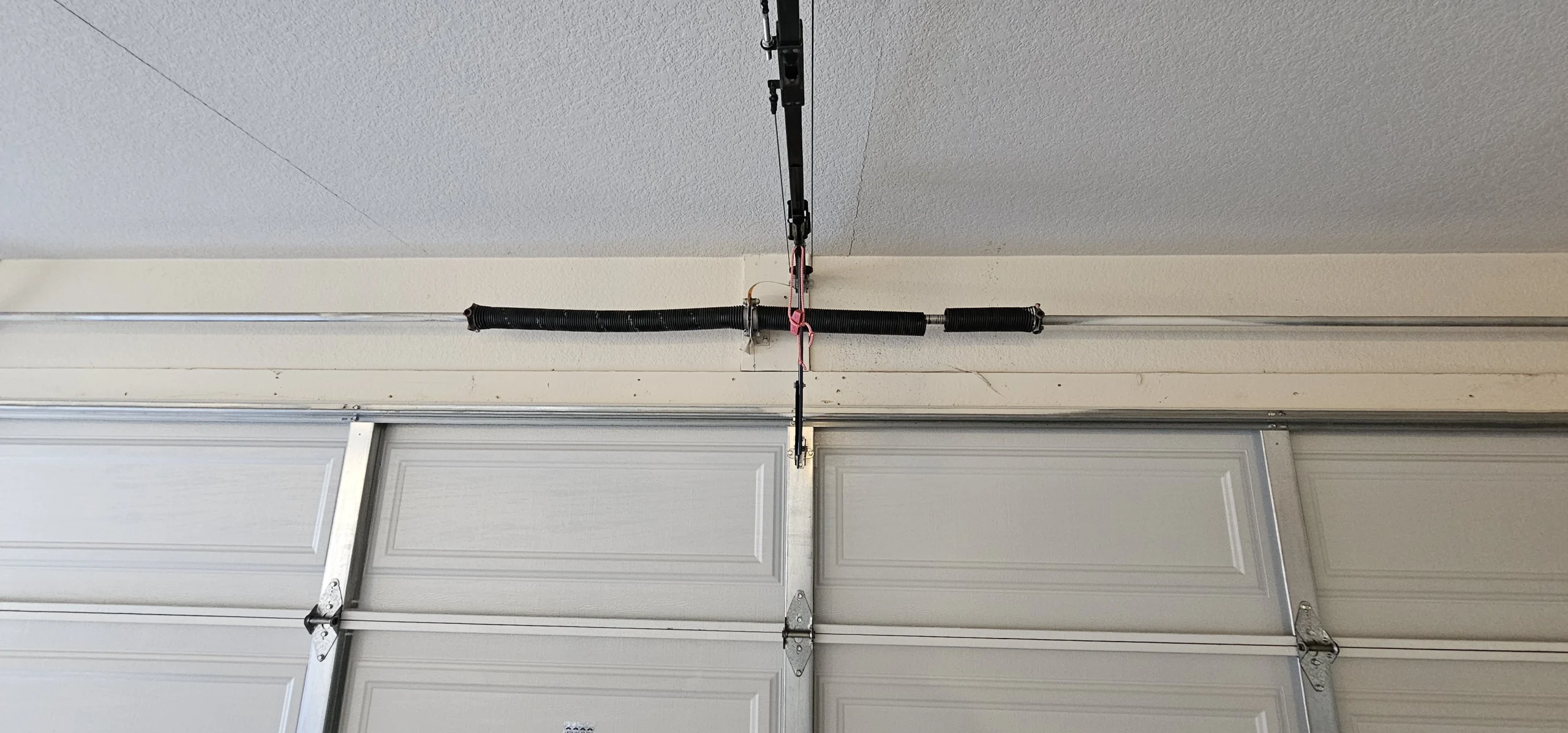
Manual Release Safety Tips for Chandler, AZ Weather and Wear
High heat, airborne dust, and frequent daily cycling can increase resistance in moving parts, so manual release use should include practical precautions that confirm the door will lift safely and stay balanced.
Smart safety habits before disengaging the opener include:
- Wipe dust from rollers and track edges to reduce friction during lifting.
- Check that springs and cables show no visible gaps, fraying, or separation.
- Test the lift balance slightly before fully raising the door.
- Lubricate hinges and rollers if movement feels dry or jerky.
- Avoid manual operation during extreme heat if metal expansion causes binding.
- Schedule regular maintenance to reduce wear-related emergency failures.
Taking these preventive steps lowers strain on the system and reduces the likelihood of a sudden drop or instability during manual operation.
Use the Garage Door Manual Release With Confidence and Control
Using the garage door manual release correctly helps protect your home, supports garage door safety, and reduces the risk of damage when the opener is not operating properly. Following the correct steps, watching for imbalance, and stopping early when the door feels heavy keep manual operation safer and more predictable.
GT Garage Door Repair helps homeowners in Chandler, AZ restore safe operation when the manual release will not work, the door feels unstable, or the system shows signs of spring or track problems. If you need reliable help with manual release issues or urgent door problems, contact us or give us a call today for fast support from a local team.