
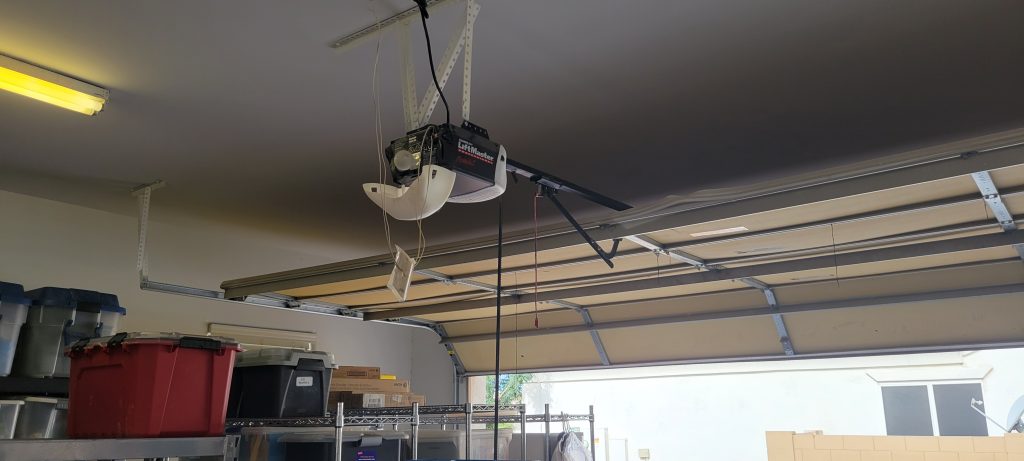
A LiftMaster garage door opener beeping occasionally is not unusual. Many modern openers include built-in alert systems designed to notify homeowners when the system detects something that needs attention. In many cases, the beeping is simply a maintenance reminder or system notification. However, there are situations when the alert could signal a more serious issue that should not be ignored and may eventually require professional garage door opener repair and installation.
For homeowners in Chandler, Arizona, environmental factors like extreme heat, dust buildup, and seasonal power fluctuations can affect garage door components. These conditions may cause garage door openers to send warning alerts more frequently than expected. The key is understanding when the alert is normal and when it indicates a problem that may require professional inspection.
Why LiftMaster Garage Door Openers Use Warning Alerts
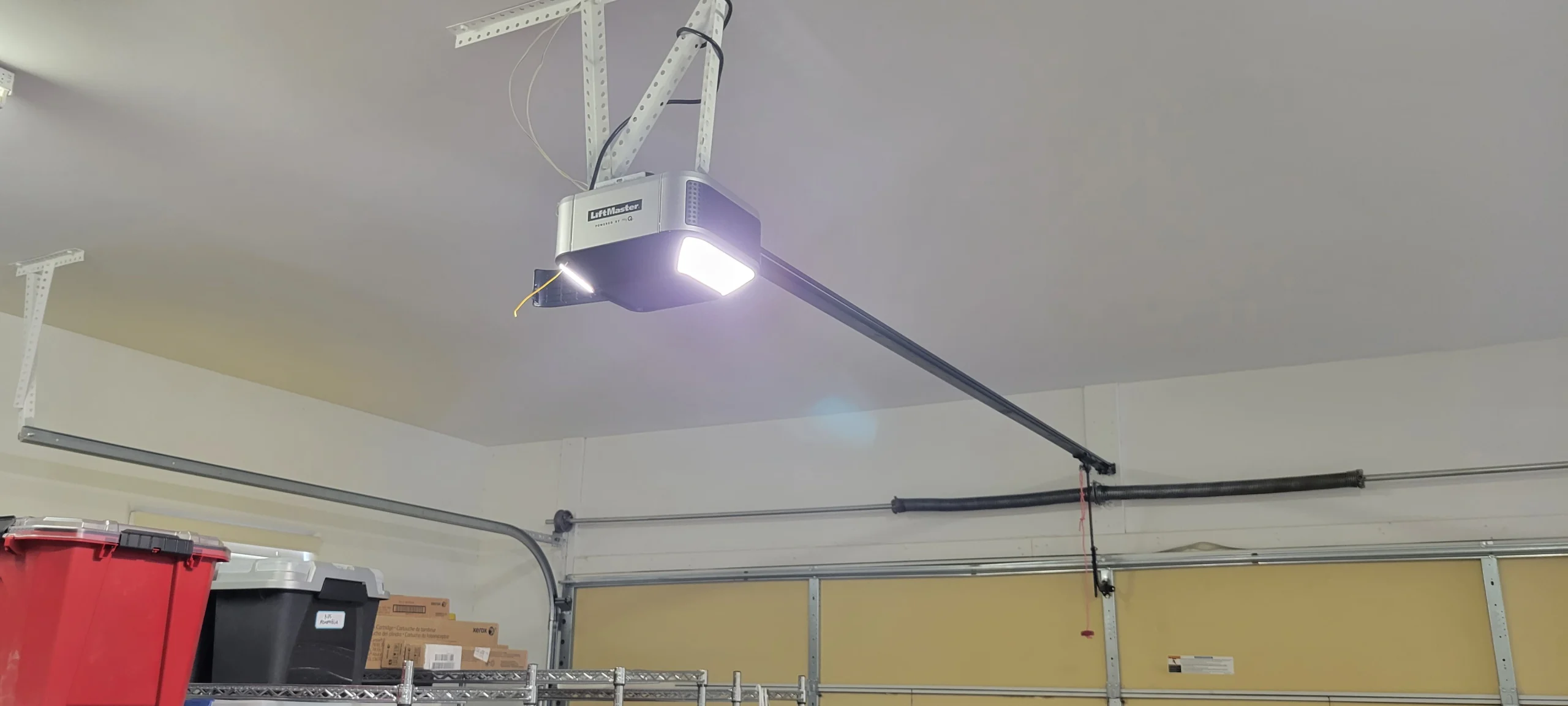
LiftMaster openers are designed with built-in diagnostic systems that monitor the operation of the garage door and opener motor.
When the system detects something unusual, it produces a warning sound so homeowners can inspect the system.
These alerts are designed to help prevent:
- Damage to opener components
- Safety sensor malfunctions
- Mechanical strain on the garage door
- Unexpected system failure
Understanding when these alerts require attention is an important part of maintaining a reliable garage door system and reducing the risk of avoidable garage door repair.
If the beeping sound from your garage door opener happens every time the door moves, read Why Is My LiftMaster Garage Door Opener Beeping? for helpful explanations.
6 Warning Signs a Beeping Garage Door Opener Should Not Be Ignored
Some alerts are harmless reminders, but others may signal a deeper issue.
Below are situations where homeowners should consider taking the alert seriously.
The Beeping Happens Repeatedly for Several Hours
Occasional alerts may not be a concern. However, if the opener continues beeping for several hours or throughout the day, the system may be trying to signal a persistent problem.
Repeated alerts often indicate:
- Backup battery failure
- Electrical interruptions
- System diagnostics detecting an issue
When alerts continue without stopping, the opener may need professional inspection.
The Garage Door Starts Moving Irregularly
A garage door that begins to move unevenly or hesitates during operation may be experiencing mechanical strain.
If the beeping occurs while the door moves, the system may be detecting resistance.
Signs to watch for
- The door stops halfway
- The door reverses unexpectedly
- The door moves more slowly than usual
These symptoms can indicate issues with springs, tracks, or the opener motor.
The Opener Motor Sounds Strained
Garage door opener motors should operate smoothly and consistently.
If the beeping occurs while the motor sounds strained or louder than usual, it could signal that the opener is working harder than normal.
Possible reasons include:
- Worn garage door springs
- Door imbalance
- Mechanical resistance in the tracks
Ignoring these signs may allow the problem to worsen over time.
Warning Lights Appear on the Opener Unit
LiftMaster openers use built-in diagnostic indicators that combine sound alerts and flashing lights to notify homeowners when the system detects an issue. Modern garage door openers use these warning signals to help identify maintenance needs or potential system problems.
If the opener beeps while flashing lights appear on the motor housing, the system may be sending a diagnostic alert.
Combining audio alerts with visual indicators helps identify the type of warning the system is producing.
The Garage Door Does Not Fully Close
If the garage door stops closing completely while the opener produces alerts, the safety system may be detecting a potential hazard.
Garage door safety sensors are designed to stop the door from closing if the beam is interrupted.
Common causes include:
- Sensor misalignment
- Dust blocking the sensor beam
- Wiring problems within the safety system
When the door refuses to close properly, the alert should be investigated quickly.
The Garage Door Opener Is More Than 10 Years Old
LiftMaster garage door openers typically last 10 to 15 years, depending on maintenance and usage.
If the opener is older and begins producing alerts frequently, the system may be nearing the end of its lifespan.
Older openers may experience:
- Motor wear
- Circuit board aging
- Increased mechanical strain
In some cases, professional inspection may determine whether repair or replacement is recommended.
If the beeping from your LiftMaster opener seems confusing, read What Do LiftMaster Beeping Sounds Actually Mean? for clear explanations.
How Local Conditions Can Affect LiftMaster Warning Alerts
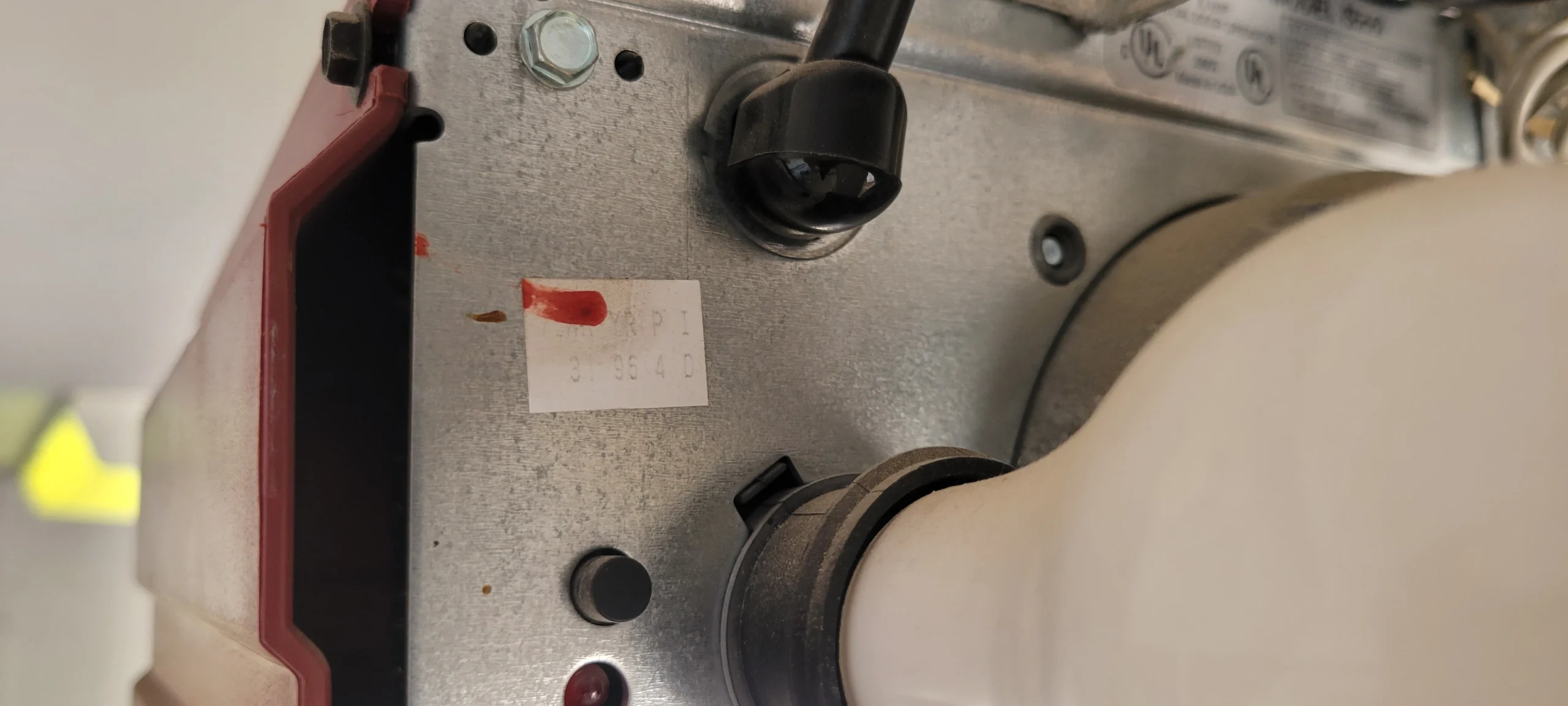
Garage door systems in Arizona often operate under conditions that can place added strain on opener parts and electronic components. Because of this, homeowners may notice warning alerts more often when weather and garage conditions begin affecting normal system performance.
- Extreme heat
- Can shorten backup battery life
- May affect sensitive electronics inside the opener
- Can reduce the effectiveness of lubrication on moving parts
- Dust buildup
- Can interfere with safety sensors
- May collect inside the tracks
- Can affect moving parts throughout the system
- Power fluctuations
- Can happen during seasonal storms
- May cause the opener to switch modes
- Can trigger temporary warning alerts
Homeowners who stay aware of these conditions and keep the system clean and monitored are less likely to deal with repeated or unexpected alerts.
If you are searching for ways to prevent repeated beeping alerts from your garage door opener, read How to Stop a LiftMaster Garage Door Opener From Beeping.
How to Tell Whether the Beeping Is Getting Worse
Not every LiftMaster alert points to the same level of urgency. In some cases, the beeping stays occasional and predictable. In others, it becomes more frequent or starts appearing alongside new garage door problems. Paying attention to patterns can help homeowners recognize when the issue may be becoming more serious.
- The beeping starts happening more often
- The alert appears with new performance changes
- The opener behaves differently after a power interruption
- The alert returns soon after it stops
- The garage door becomes less reliable day by day
When a LiftMaster opener starts showing a pattern of repeated alerts and changing performance, it is usually a sign that the system needs closer attention. Recognizing worsening symptoms early can help homeowners avoid more serious garage door problems.
Why Some Garage Door Alerts Require Professional Service
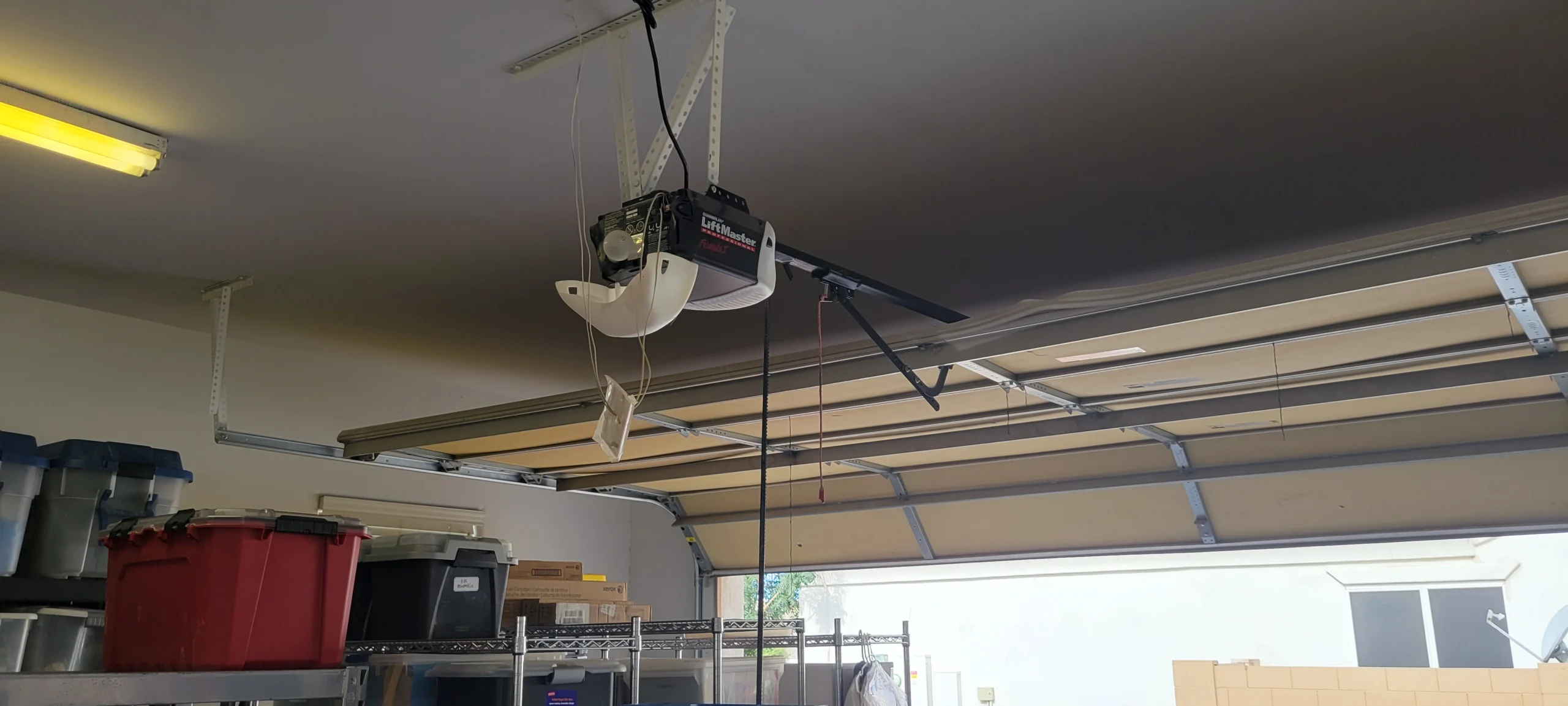
While some alerts involve simple maintenance reminders, others may indicate issues within the garage door system itself.
Professional inspection may be recommended if:
- The door moves unevenly
- The opener motor struggles during operation
- The door fails to open or close fully
- Alerts occur frequently without explanation
Garage doors operate under high tension and heavy mechanical force, which makes professional diagnosis the safest option when problems arise.
Persistent beeping from a garage door opener often means the system needs closer attention. Homeowners in Chandler, Arizona, can rely on GT Garage Door Repair for professional diagnostics and dependable service. A trained technician can inspect the opener, determine what is triggering the alert, and help ensure the garage door continues operating safely and reliably. If your garage door opener keeps producing warning alerts, contact us or give us a call to schedule a professional inspection.